Remote trading has surged in popularity, especially since the onset of the pandemic. Many traders are now exploring how to create a setup that not only meets their current needs but also adapts to future demands. A well-designed remote trading environment ensures reliability, speed, and security, allowing traders to focus on their strategies rather than technical issues.
Establishing a Reliable Workstation
A dependable computer forms the core of any effective trading setup. While it need not be extravagant, it must be powerful, quiet, and reliable. Traders often opt for business-grade computers, such as Dell tower servers, which typically offer substantial RAM, SSD storage, and efficient cooling systems. These systems can better manage multiple charts, live data feeds, and communication tools compared to standard consumer laptops.
Considering future requirements is crucial. If trading software recommends at least 16 gigabytes of RAM, investing in 32 gigabytes can significantly enhance performance. This allows users to run various applications simultaneously without encountering slowdowns. Additionally, SSDs provide faster boot times and quicker access to historical data, vital for making informed trading decisions.
Ensuring a Stable Internet Connection
Even the most sophisticated computer is ineffective without a reliable internet connection. For remote trading, the emphasis should be on stability rather than sheer speed. A wired Ethernet connection is preferable as it minimizes Wi-Fi interference and reduces latency spikes. If Wi-Fi is the only option, investing in a high-quality router and positioning it close to the workstation can lead to improved performance during trading hours.
Having a backup internet connection is also advisable. A 4G or 5G hotspot can serve as a contingency plan should the primary connection fail. Regular testing of this backup is essential, as even a modest connection can facilitate closing trades or mitigating risks in case of broadband issues.
Optimizing Your Screen Setup
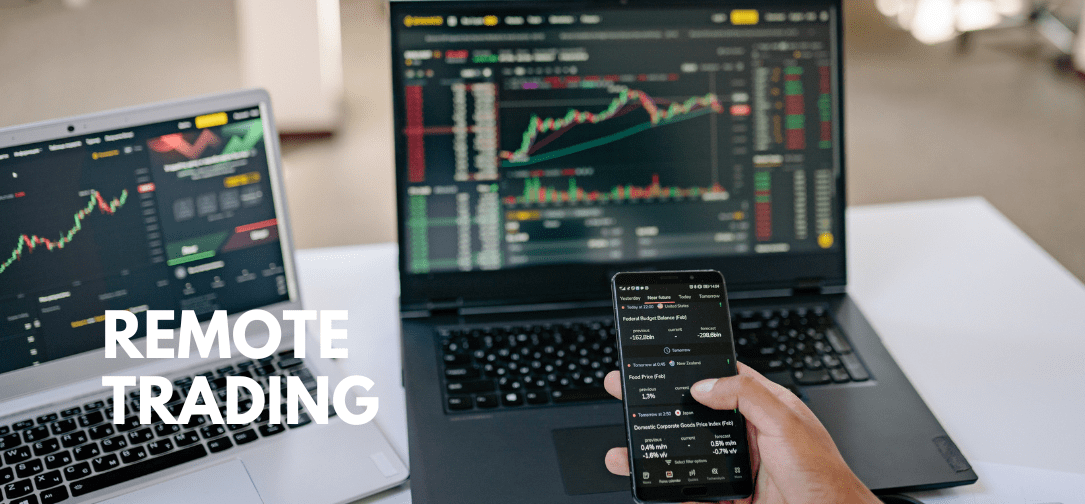
A cluttered desktop can create unnecessary stress for traders. Multiple monitors can significantly improve workflow by keeping charts, news feeds, orders, and messages visible without the need for constant window switching. While a wall of screens is not necessary, having a couple of monitors can greatly enhance efficiency.
It is advisable to position the most critical information, such as live orders and open positions, where they are easily visible. Secondary screens can be designated for less urgent tasks, like watchlists or long-term charts. Over time, traders will develop a configuration that allows for smooth and efficient navigation during fast-paced trading sessions.
Creating a Comfortable Workspace
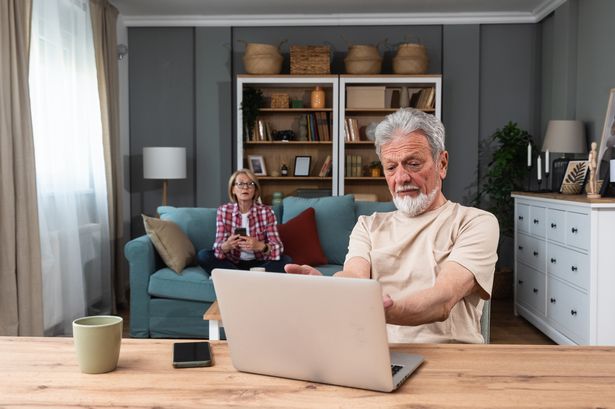
Trading is mentally and physically demanding, making comfort an essential factor in productivity. A chair with adequate lumbar support, a desk at the correct height, and monitors positioned at eye level can help reduce fatigue during long trading hours. An external keyboard and mouse can further enhance comfort and improve accuracy, even if a laptop is used.
Lighting is another important aspect. Soft, indirect light can minimize glare and reduce eye strain. Ideally, the trading area should be distinct from spaces designated for relaxation or sleep. Moreover, maintaining a tidy workspace with organized cables and a clean desk can contribute to a calmer and more focused environment during high-pressure market situations.
Prioritizing Security and Data Protection
A robust trading setup is not solely about hardware; it also involves safeguarding personal finances and sensitive information. Implementing two-factor authentication on trading accounts, utilizing a password manager, and ensuring that software is regularly updated are all critical security measures.
Backing up important files is essential. Storing crucial documents in the cloud and on external drives can prevent data loss. Additionally, documenting layouts, hotkeys, and specific settings is advisable to facilitate a quick rebuild of the setup should a transition to a new machine be necessary.
Building an effective remote trading setup is an ongoing process rather than an overnight achievement. By focusing on a strong computer, reliable internet, well-organized screens, a comfortable workspace, and diligent security practices, traders can navigate today’s markets confidently and prepare for whatever challenges may arise in the future.