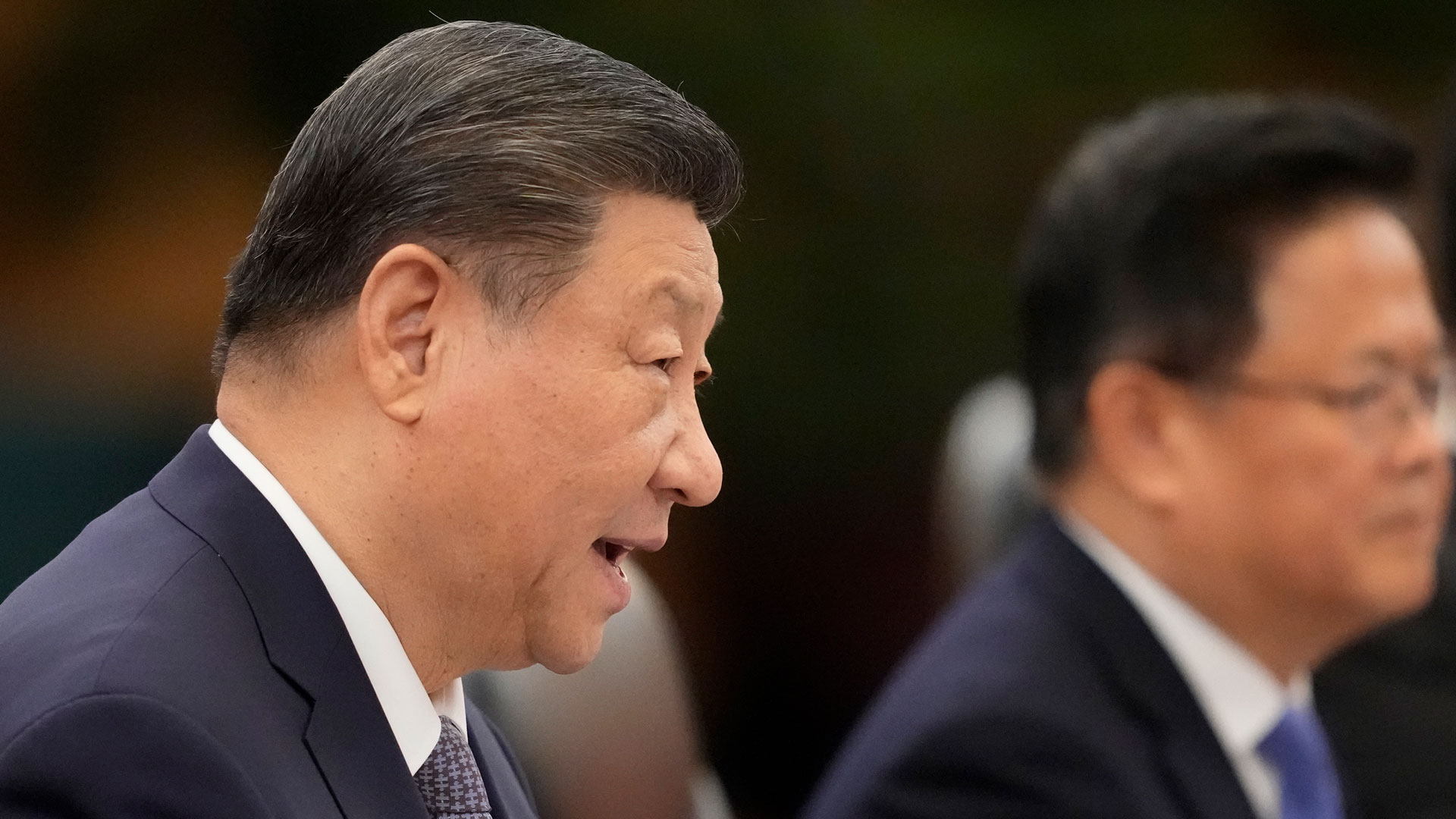
Chinese President Xi Jinping has declared that the development of artificial intelligence (AI) represents an “epoch-making technological transformation,” highlighting its potential to reshape the human experience. During a recent meeting with ministers, Xi compared the impact of AI to that of the early Internet and the industrial revolution, emphasizing the need for China to lead in this crucial sector.
Xi’s remarks come as China prepares for its 15th Five-Year Plan, which will guide the nation’s technological priorities from 2026 to 2030. He urged officials to eliminate existing barriers to technological advancement and adopt a comprehensive approach to bolster domestic capabilities. This strategy aims to ensure that China maintains a competitive edge in the global arena, especially against the United States.
The Chinese government has been keen to harness software-level advancements, as demonstrated by the achievements of DeepSeek. This domestic AI company developed a large language model that rivals those produced by leading firms such as OpenAI and Meta, while requiring significantly less computational power—approximately eleven times less. This breakthrough has not only generated excitement within China but has also raised eyebrows internationally, reinforcing the belief that coordinated domestic deployment can yield substantial results despite restrictive foreign trade policies.
In his address, Xi emphasized the necessity for a balanced approach to AI integration into existing industries rather than a blanket replacement of current systems. He cautioned provincial governments against unrestrained spending, which previously led to excess idle computing power in national data centers. Authorities are now working to optimize resources, selling surplus capacity while tightening oversight to ensure efficient use of technological assets.
As China continues to focus on AI and semiconductor development, Xi reiterated the importance of aligning AI adoption with specific regional conditions. The nation’s ambition to modernize its industrial sectors through AI is clear, but so is an awareness of the potential pitfalls associated with overcapacity and inefficiencies in current infrastructures.
China’s focus on AI as a pillar of its economic strategy underscores a broader commitment to becoming a global leader in technology. The government’s policies reflect an understanding that while technological ambition is crucial, resource management will play a significant role in achieving sustainable growth.
The upcoming 15th Five-Year Plan is expected to formalize these strategies, positioning AI at the forefront of China’s vision for the future. As the nation navigates this transformative phase, the interplay between ambition and caution will be critical in shaping the landscape of AI development.