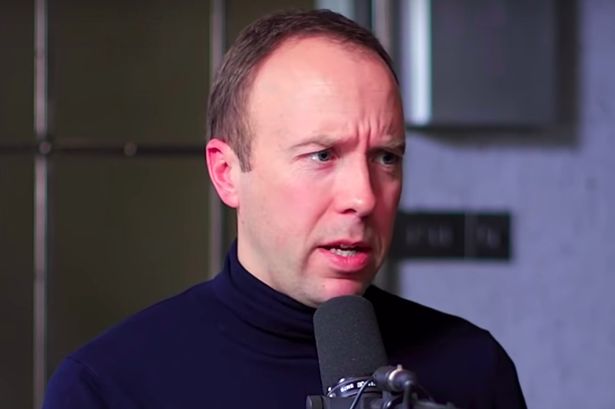
A medical expert has highlighted why some general practitioners (GPs) may react with laughter when patients mention unusual symptoms related to a little-known condition. Dr. Suraj Kukadia, commonly known as Dr. Sooj, addressed concerns about “no burp syndrome,” formally known as retrograde cricopharyngeus dysfunction (R-CPD). This condition, which affects the ability to burp, can lead to significant discomfort, yet it remains largely unfamiliar to many healthcare providers.
Speaking on the social media platform TikTok, Dr. Kukadia responded to a follower’s inquiry regarding the dismissive reactions some patients experience. The commenter expressed frustration over being laughed at when discussing their symptoms. Dr. Kukadia explained that many doctors may not be aware of R-CPD, which was officially recognized only in 2019 following the publication of the first scientific paper on the topic.
Dr. Kukadia elaborated on the implications of the condition, stating, “The majority of doctors have probably never heard of it. It’s not something that I was ever taught about in med school.” He shared a personal connection to the issue, revealing that a close friend suffers from no burp syndrome. This condition forces his friend to induce vomiting in order to relieve pressure and release trapped air after consuming carbonated beverages.
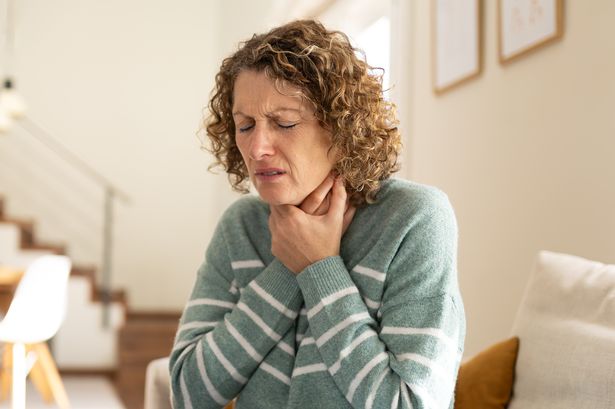
The symptoms associated with R-CPD can include abdominal bloating, excessive flatulence, nausea, and even difficulty vomiting, which can lead to a fear of vomiting, known as emetophobia. According to Yale Medicine, while the inability to burp is the hallmark of R-CPD, these additional symptoms can greatly affect a person’s quality of life.
Dr. Kukadia noted that following the dissemination of information about R-CPD on his social media channels, many individuals reached out to share their experiences. “I’ve started getting loads of videos about retrograde cricopharyngeus dysfunction. People have been struggling with this for a really long time and never knew what it was,” he said.
Treatment options for R-CPD primarily involve Botox injections into the cricopharyngeus muscle, which can be administered either through an upper esophagoscopy under general anaesthesia or using EMG guidance. A study indicated that following Botox treatment, over 99 percent of patients were able to burp, with 95 percent experiencing significant symptom relief. These positive outcomes were reported to last for up to a year for many individuals, and some even experienced permanent relief.
Dr. Kukadia expressed empathy for individuals who feel dismissed by their doctors: “I’m sorry the doctors laughed it off when you mentioned it. It must be a really horrible and uncomfortable condition to have.” He underscored the importance of raising awareness about R-CPD, as increased understanding among healthcare professionals may lead to more compassionate and informed patient care.
As the medical community continues to learn about such uncommon conditions, it is crucial for patients to advocate for themselves and seek out information, ensuring that their health concerns are taken seriously.