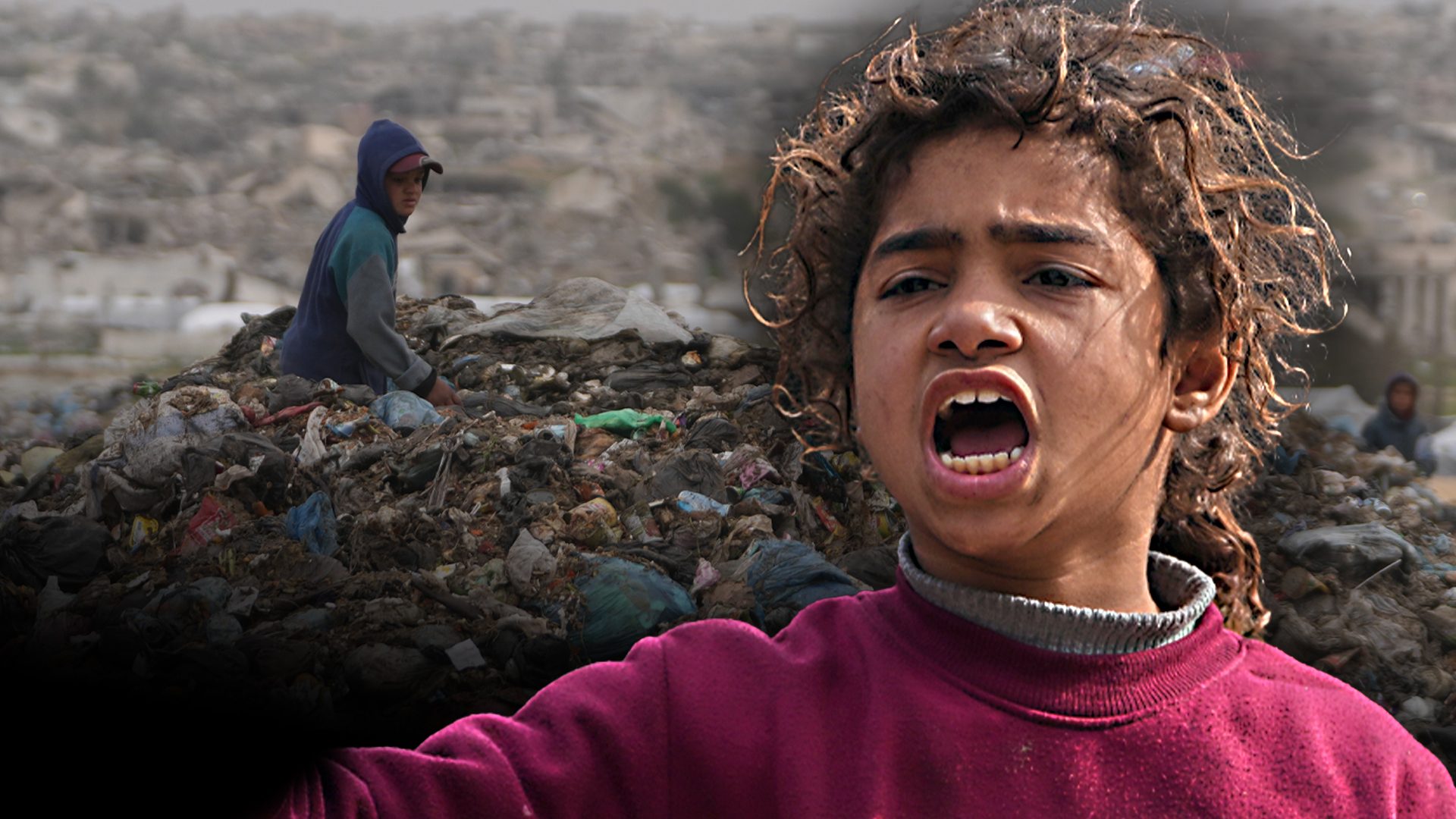
As the humanitarian crisis in Gaza deepens, the stark contrast between political promises and the lived reality for residents becomes increasingly evident. Following the announcement of a new Board of Peace led by Donald Trump, his son-in-law and advisor, Jared Kushner, presented an optimistic vision for Gaza’s future, which included sleek high-rise buildings and pristine beaches. This vision, however, remains far removed from the grim conditions faced by the two million inhabitants currently sheltering in makeshift tents among the ruins of their former homes.
Since the ceasefire began, reports indicate that nearly 500 Palestinians have been killed by Israeli forces, particularly in areas near the so-called Yellow Line, which delineates the territory still under Israeli control. This ongoing violence continues to exacerbate the dire humanitarian situation, leaving many residents struggling to secure basic necessities such as food, water, and medical care.
Humanitarian Crisis Deepens
The conditions in Gaza have reached alarming levels, with many families displaced multiple times due to the conflict. The infrastructure, already fragile before the hostilities, has been further devastated, making it nearly impossible for aid organizations to deliver assistance effectively. The destruction of homes, schools, and hospitals has left the population in a state of despair.
Local health facilities are overwhelmed, facing shortages of both medical supplies and personnel. Many doctors and nurses have fled or are unable to work due to the violence, leaving patients without essential care. The United Nations has repeatedly warned that the humanitarian crisis in Gaza is at a breaking point, with millions in urgent need of assistance.
In addition to the immediate physical dangers posed by military operations, the psychological toll on the population is profound. Families are dealing with the trauma of loss, displacement, and uncertainty about the future. Children, in particular, are at risk of long-term emotional and developmental challenges, as their daily lives are marked by fear and instability.
Political Promises vs. Reality
The dissonance between Kushner’s optimistic portrayal of a rebuilt Gaza and the current situation highlights the difficulties of achieving peace in the region. While the vision of development and prosperity sounds appealing, the reality on the ground reveals a community in crisis, struggling to survive amidst ongoing violence.
Critics of the peace initiative argue that without addressing the root causes of the conflict and ensuring the protection of civilians, any proposed solutions will remain hollow promises. The international community continues to call for a renewed commitment to peace talks, emphasizing that sustainable solutions require addressing issues of sovereignty, security, and human rights.
As the world watches, the people of Gaza remain resilient, clinging to hope for a better future while confronting the harsh realities of their daily lives. The unfolding situation serves as a stark reminder of the urgent need for effective diplomacy and genuine efforts towards lasting peace.
In this complex landscape, the voices of those affected by the conflict must be heard. Their stories reflect not only the ongoing struggles but also their aspirations for a peaceful and prosperous future. As international attention turns towards Gaza, it is crucial that the humanitarian needs of its residents are prioritized in any discussions of peace and reconstruction.