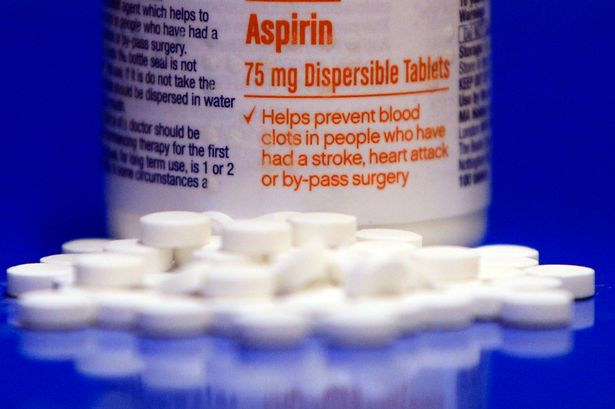
Pharmacies across the UK are experiencing significant shortages of aspirin, a vital medication for preventing strokes and heart attacks in patients with certain health conditions. To address the crisis, the UK Government has included aspirin on its export ban list, aiming to secure supplies for domestic patients.
The National Pharmacy Association (NPA), representing around 6,000 pharmacies, alongside the Independent Pharmacies Association, which includes over 5,000, has reported challenges in sourcing the medication. Manufacturing delays have been identified as a key factor contributing to the crisis. The NPA indicated that pharmacists are currently rationing aspirin for patients with urgent heart conditions or those requiring emergency prescriptions.
Aspirin, particularly in low-dose 75mg form, is prescribed to individuals who have experienced heart attacks, strokes, or other cardiovascular issues, as it has an antiplatelet effect that can prevent blood clots. A recent survey conducted by the NPA among 540 pharmacies revealed that a staggering 86 percent were unable to supply aspirin to patients within the previous week. While all forms of aspirin are affected, the shortage of the 75mg dose is particularly acute.
In response to the escalating situation, numerous pharmacies have ceased over-the-counter sales of aspirin. The NPA also reported a substantial rise in costs over the past two months, with the price of a packet of 75mg dispersible aspirin soaring from 18p last year to £3.90 this month. Meanwhile, the National Health Service (NHS) reimburses pharmacies only £2.18 per packet, resulting in a loss of £1.72 for pharmacies with each dispensed medication.
Olivier Picard, chair of the NPA, expressed concern about the implications of these shortages for patient care, stating, “We’re concerned about reports of pharmacies being unable to order in stocks of aspirin and the implications this might have for the patients they serve.” He emphasized the need for reform in the pharmacy contract, which he described as “fundamentally broken.”
Dr. Leyla Hannbeck, chief executive of the Independent Pharmacies Association, echoed these concerns, noting, “It is incredibly worrying to see shortages of essential medicines such as aspirin and blood pressure treatments appearing in pharmacies.” She attributed the low stock levels to manufacturing delays and the limitations imposed on pharmacies in ordering sufficient quantities.
Dr. Hannbeck highlighted that the NHS’s reimbursement rates for medicines are often so low that manufacturers prioritize supplying other countries, leaving the UK at a disadvantage. When limited stock becomes available, prices can rise sharply, making it financially unfeasible for pharmacies to order the medications they need.
She advised anyone struggling with the shortage to consult their local pharmacist, who can provide guidance on suitable alternatives when available. The NPA has called for changes to regulations that currently hinder pharmacies from supplying alternative medications that are safe and effective.
Mr. Picard emphasized the importance of allowing pharmacists to make substitutions when a prescribed medication is unavailable. “It is madness to send someone back to their GP to get a prescription changed when a safe alternative is in stock,” he stated, warning that such practices pose a risk to patient safety.
James Davies, director of research and insights at Community Pharmacy England, noted that shortages remain a serious issue for both patients and community pharmacies. He urged government and NHS intervention to stabilize the medicines market and improve access to essential medications.
Fiona Loud, policy director at Kidney Care UK, pointed out that the aspirin shortage also affects patients with chronic kidney disease, who may also rely on low-dose aspirin for heart attack and stroke prevention.
As the situation evolves, the collaborative efforts of healthcare professionals, government bodies, and pharmacy associations will be crucial in addressing the aspirin shortage and ensuring that patients have access to the medications they need.