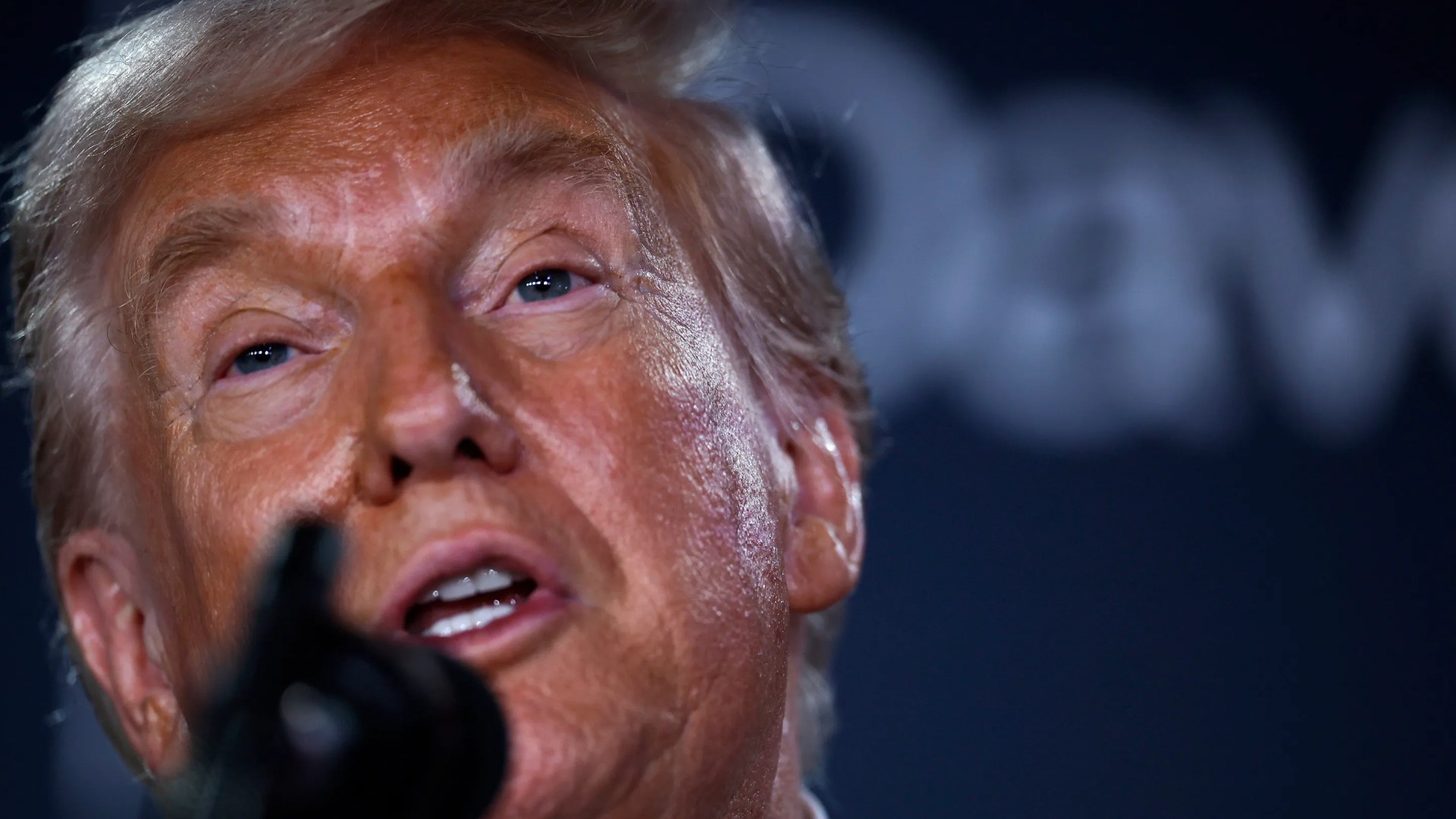
Donald Trump has issued a stark warning to Iran, threatening that the country would be “wiped off the face of the Earth” if the regime follows through on any assassination attempts against him. This statement came during an interview with NewsNation on March 12, 2024, as tensions between the United States and Iran escalate amid ongoing protests within Iran.
In response to provocative remarks from Tehran, Trump declared, “I’ve left notification, if anything ever happens… the whole country’s going to get blown up. I would absolutely hit them so hard.” He emphasized that he has given “very firm instructions” regarding any threats against his life, pledging a severe military response.
The backdrop to Trump’s comments includes a recent broadcast by Iranian state television, which aired footage of a past assassination attempt on him during his 2024 presidential campaign. The clip ominously featured the phrase, “This time, the bullet won’t miss,” raising alarms over the potential for further aggression from Iran.
Military Options Under Review
Reports indicate that the White House is actively considering a range of military options in response to these threats. Trump has reportedly urged the Pentagon for “decisive” actions that could undermine the ruling regime. These options include targeted strikes against the Islamic Revolutionary Guard Corps and broader military actions aimed at dismantling the current government structure.
As protests continue to consume Iran, human rights organizations report that over 4,500 people have died during the unrest, with thousands more arrested. Activists fear the actual death toll could be significantly higher, as evidence emerges of mass killings and the use of machine-gun fire against protestors. Videos from within Iran show disturbing scenes of body bags stored in trucks, indicating the severity of the situation.
Amnesty International has raised concerns regarding the emergence of mass graves at Tehran’s Behesht-e Zahra cemetery, alleging that authorities are attempting to conceal the true extent of the violence by burying victims secretly. Reports suggest that families are being forced to pay “bullet money” to reclaim the bodies of their loved ones or to sign documents blaming the deceased for their own deaths.
International Reactions and Implications
The ongoing situation in Iran has drawn international attention, with Trump publicly supporting the protests and urging Iranian citizens to rise against the regime. He has stated that assistance is forthcoming for those advocating for change, while also cautioning Iranian authorities against executing detainees.
In response to Trump’s remarks, Iranian officials have intensified their threats against the United States. State media and pro-regime demonstrations have featured messages warning that “the arrow doesn’t always miss,” signaling a willingness to retaliate against perceived American aggressions.
Moreover, senior commanders within the Iranian Revolutionary Guards have openly threatened to retaliate if the U.S. targets Iran’s leadership. This rhetoric underscores the heightened tensions and the potential for military confrontation. The Iranian government has accused the U.S. of inciting unrest and has vowed to respond to any assaults on its sovereignty.
Despite calls from Gulf allies for restraint, Trump has escalated military presence in the region and has refused to dismiss potential immediate actions. He has reiterated the need for a change in leadership in Iran, specifically calling for the removal of Supreme Leader Ayatollah Ali Khamenei. The implications of these developments could have far-reaching effects on both regional stability and international relations.
As the situation evolves, the world watches closely, aware that Trump’s commitment to a decisive response could lead to significant military action, further complicating an already volatile landscape in the Middle East.