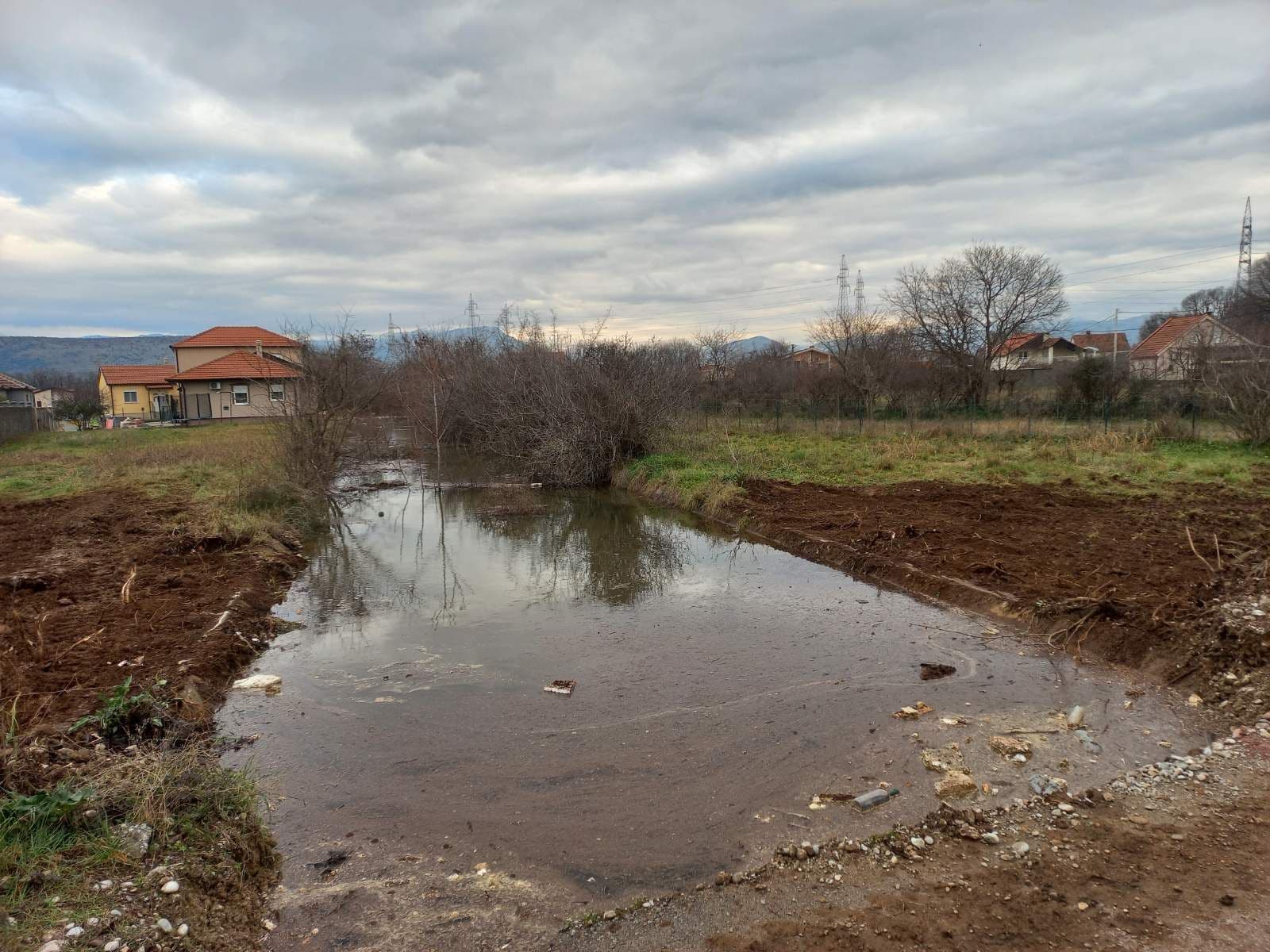
Recent heavy rainfall in Podgorica has sparked renewed concerns regarding the safety of the city’s water supply. Following a temporary ban on water use during January 2024, city officials highlighted long-standing issues related to the Mareza water source. While analyses confirm that the municipal water remains safe for consumption, the city’s administration emphasizes the urgent need for improvements to the surrounding infrastructure.
According to Aleksandar Nišavić, Director of the Public Utility Company for Water and Sewage, ongoing tests indicate that the water distributed through Podgorica’s municipal system meets all health standards. He stated, “The water quality is regularly monitored through physical-chemical and microbiological analyses conducted in our laboratory.” The Institute of Public Health of Montenegro also plays a crucial role in ensuring the water’s safety.
Nišavić further assured that water sources, including the Mareza facility, are maintained according to hygiene and sanitation guidelines. “We conduct daily inspections to ensure that the facilities are clean and well-maintained,” he noted. However, he acknowledged that some sections of the aging pipeline are in need of modernization. “We are replacing old pipes gradually, adhering to the latest standards and EU directives regarding materials that come into contact with drinking water,” he added.
Despite these reassurances, the city’s administration raised alarms about the condition of the Mareza channel, describing it as the weakest link in the water protection system. Boris Spalević, the Deputy Mayor of Podgorica, pointed out that the channel’s blockage during recent rains resulted in flooding from the Trešanica River, threatening agricultural land and the crucial Mareza water source.
“The cleaning and regular maintenance of the Mareza channel are legal obligations and essential for public health protection,” Spalević emphasized. He revealed that the channel has not been systematically cleaned for decades, attributing its current state to years of neglect by previous city administrations.
In response to these persistent issues, some progress has been made. Last year, efforts were initiated to clean approximately 300 meters of the channel, with plans to complete the entire 8,500-meter stretch by 2026. The city is also increasing oversight of water permits to prevent illegal activities that could further compromise the channel and its water source.
Spalević assured the public, “We take responsibility for the channel’s maintenance. We are committed to its systematic cleaning, and this task will be completed.” He cautioned that any further delays in addressing these issues pose a direct threat to Podgorica’s water supply and that the city administration will not tolerate such practices any longer.
As the city navigates these challenges, the public remains vigilant about the quality and safety of their water supply, underscoring the importance of effective infrastructure management in safeguarding public health.