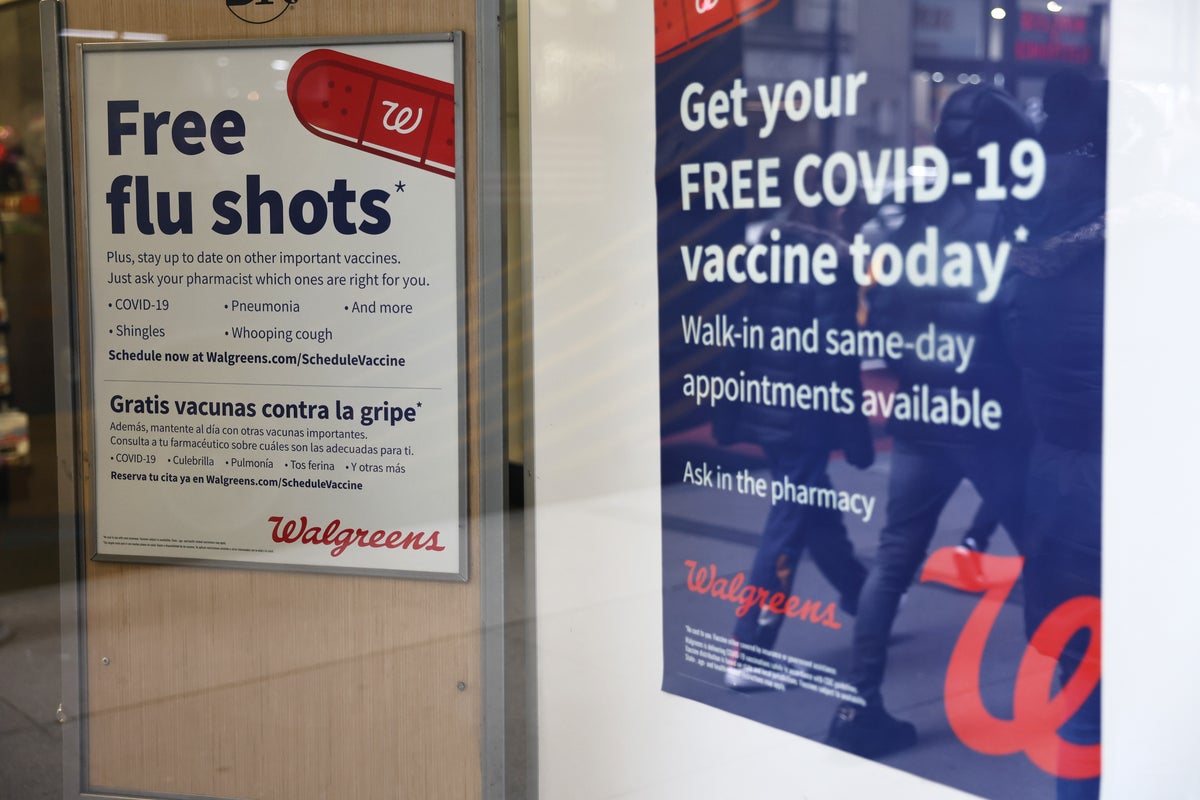
More children are forgoing the flu vaccine this year, even as the United States experiences a severe flu season, marked by the surge of a particularly virulent strain referred to as the “super flu.” According to the Centers for Disease Control and Prevention (CDC), approximately 18 million Americans have been infected this season, resulting in 230,000 hospitalizations and 9,300 deaths.
“This is definitely a banner year,” stated Dr. Caitlin Rivers, an epidemiologist and senior scholar at the Johns Hopkins Center for Health Security. “It’s the worst we’ve had in at least 20 years.” The CDC has reported that much of the country is experiencing extremely high levels of flu activity and warns that the season is not yet over.
While the CDC emphasizes that the flu vaccine can prevent infection and mitigate the severity of illness, fewer parents are opting to vaccinate their children. As of January 3, 2024, only 42.5 percent of children aged 6 months to 17 years have received a flu shot, down from 44 percent at the same point last year, representing a decline of 1.5 percentage points.
Impact of Policy Changes on Vaccination Rates
This decrease in flu vaccinations among children coincides with a broader trend of declining vaccination rates. Under the leadership of Health and Human Services Secretary Robert F. Kennedy Jr., known for his vaccine skepticism, the CDC has revised its recommendations. The agency now advises that the flu vaccine, along with five other vaccines, is only recommended for children classified as “high risk” or after consultation with a healthcare provider.
The CDC’s data indicates a reduction in overall vaccination coverage among kindergartners for the 2024 to 2025 school year, reflecting a concerning shift in public health.
Concerns regarding the flu this season extend beyond its contagious nature. According to Dr. Partha Nandi, symptoms are alarmingly severe. In an article published by WXYZ Detroit, he noted that doctors are observing longer-lasting fevers, spanning three to five days, and coughs that impede breathing. These symptoms have raised hospitalization risks, particularly for children and elderly individuals.
Guidelines for Parents
In light of the current health crisis, the CDC has provided guidelines for parents. They are advised to seek immediate medical attention if their children experience difficulty breathing, severe muscle pain, dehydration, or a fever exceeding 104 degrees Fahrenheit that does not respond to treatment.
The ongoing flu season serves as a critical reminder of the importance of vaccinations in public health. As communities grapple with the impact of increased flu activity, the decision to vaccinate children remains a pressing issue for many families.