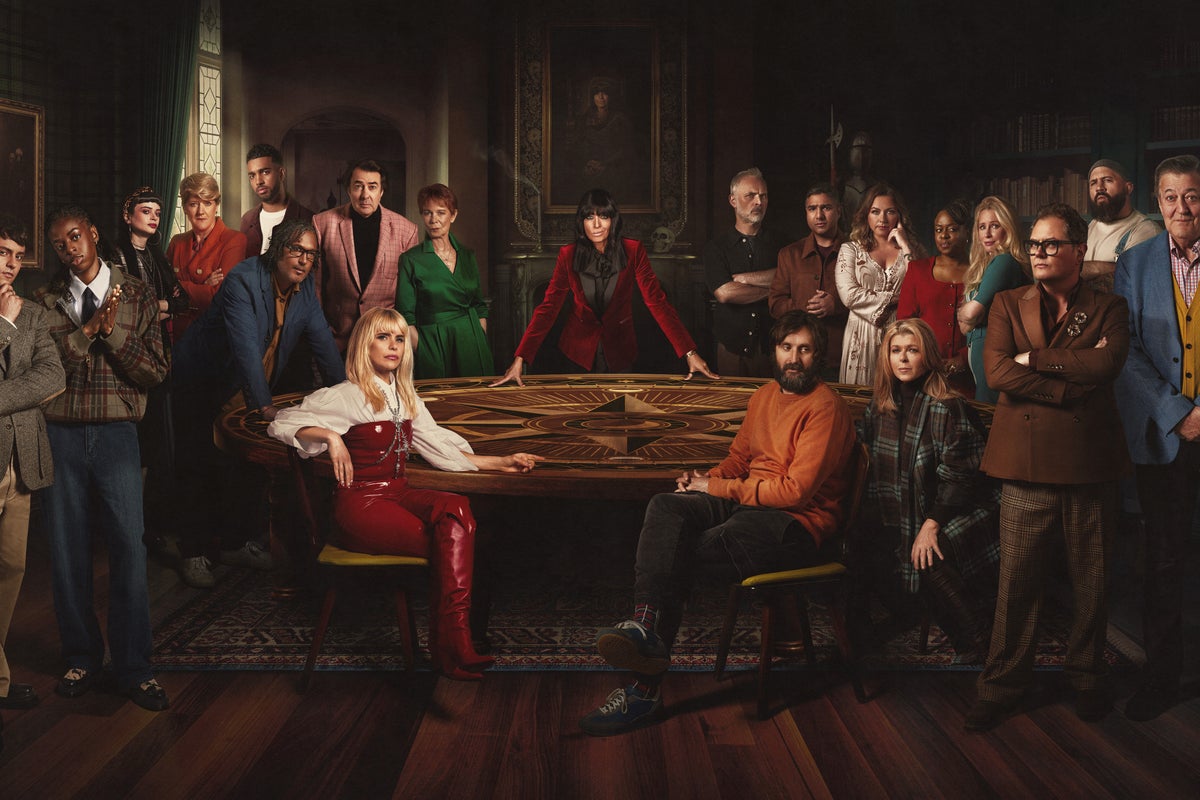
The recent episode of BBC One’s reality show, The Traitors, saw the shocking elimination of contestant Jessie, a 28-year-old hairstylist, who expressed feeling like a “ghost” during her time in the competition. In the episode aired on March 15, 2024, Jessie was murdered, while fellow contestant Ellie, 33, was banished from the castle.
Jessie shared her thoughts on the spin-off show, The Traitors: Uncloaked, where she revealed her satisfaction in confirming her suspicions about contestant Stephen being a traitor. Despite having the support of Ross, who agreed with her, Jessie’s sense of isolation grew after his banishment in episode three. “I was hoping people might hop on board but no-one did really,” she noted.
Reflecting on her experience, Jessie remarked, “I was a massive ghost in that castle. I was irrelevant, but I guess that’s just what it is.” Her candid description captures the emotional toll of being part of a high-stakes game where alliances shift rapidly.
Psychologist Ellie Discusses Strategy and Bias
Ellie, a psychologist, also made an appearance on the spin-off and addressed how her background influenced her gameplay. Host Ed Gamble asked whether her professional expertise provided any advantage during the competition. “I’ve got a research background so I was trying to think of all the theories that would apply, biases that you might have,” she explained.
Ellie specifically mentioned confirmation bias, a psychological phenomenon where individuals seek evidence to support their preconceived notions. “As soon as you decide that someone’s a traitor, you then just find evidence to support your theory,” she observed, reflecting on her interactions with contestant Sam. “Everything he did, I was like ‘well that’s traitorous’.”
When asked about the challenges of keeping her relationship with Ross a secret from the other contestants, Ellie admitted, “I definitely found it harder.” She acknowledged that while they did not have many pre-planned strategies as a couple, they aimed to connect with different players to create a network of mutual support. “I think our major plan was just to bond with different people in the game so that we could defend each other in different social groups,” she said.
As the competition continues to unfold, the dynamics between contestants remain intricate, with feelings of isolation and strategy playing crucial roles in their decision-making processes. The emotional weight of the game is palpable, as contestants navigate trust and suspicion in their quest for victory.