Apple is engaging in a week-long initiative to assess the real-world performance of its Car Key technology. This testing event, organized by the Car Connectivity Consortium (CCC), features participation from several major automakers, including BMW, General Motors, Hyundai, Mercedes, Rivian, and Volkswagen (VW).
The Plugfest event aims to evaluate the interoperability of the digital key specification, which is overseen by the CCC. This year’s focus is on version 4 of the standard, while also ensuring compatibility with version 3. According to the CCC, 115 vehicles and other products received certification in the previous year. The organization reports that this year, 15 major automakers and smart device manufacturers are involved in the testing process.
The CCC has expressed confidence that the digital key technology has reached a critical mass, emphasizing that 2025 marks a significant transition for the industry. The consortium noted that this year could represent “an industry-wide turning point as digital keys move from early innovation to expectation.”
Focus on Security and Reliability
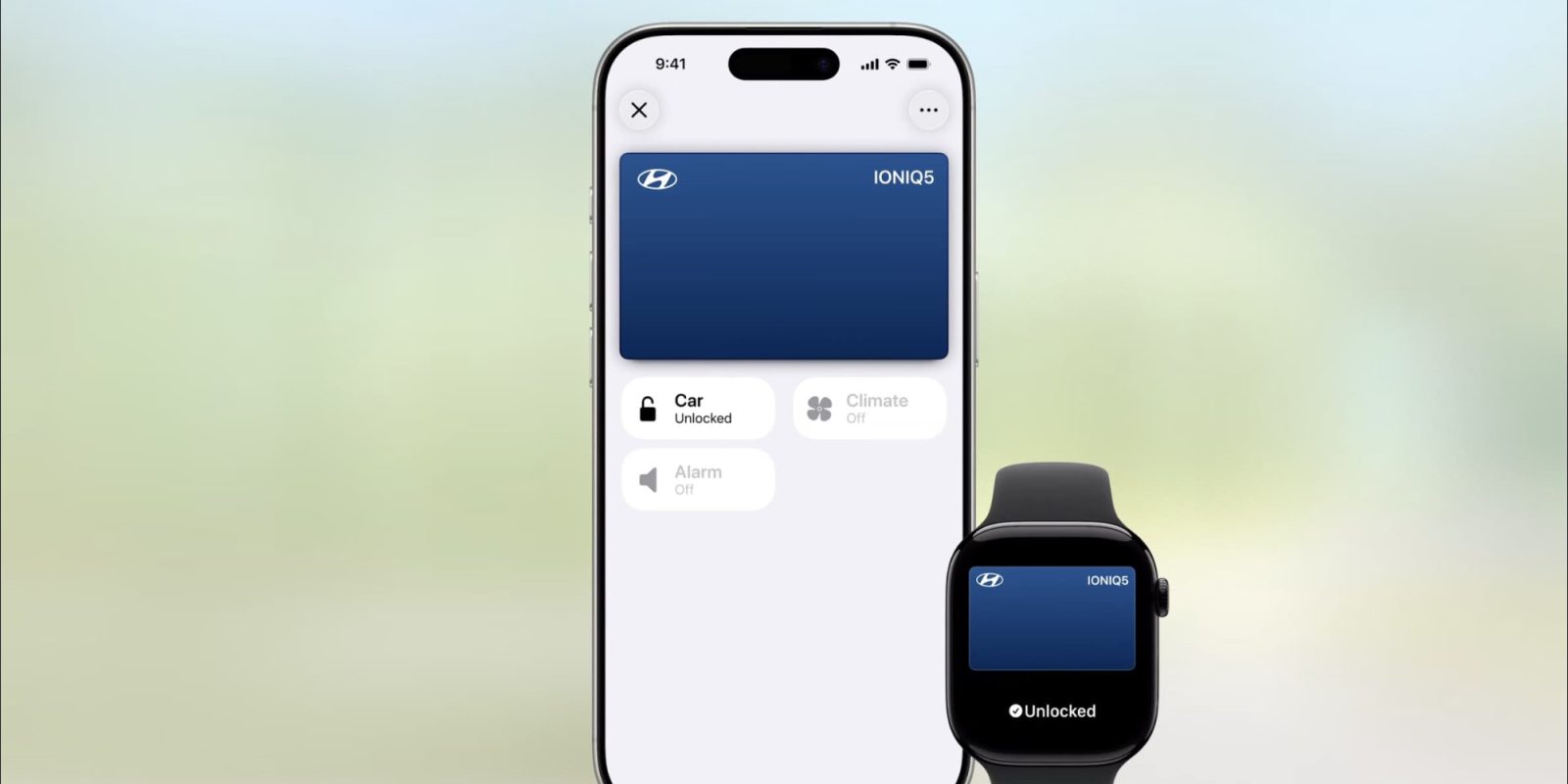
Testing during the Plugfest covers various aspects, including security, privacy, and reliability. A key feature of the technology is passive entry, which allows compatible vehicles to automatically unlock when users approach with their iPhone or Apple Watch that has the Car Key installed. This functionality aims to enhance user convenience while ensuring robust security measures are in place.
As the automotive industry increasingly embraces digital solutions, the collaboration between Apple and these major car manufacturers signifies a growing trend towards integrating technology into everyday experiences. The success of this initiative could pave the way for broader acceptance and implementation of digital keys across more vehicles in the coming years.
With the rising number of car makers supporting this technology, the Plugfest event represents a crucial step in solidifying standards and ensuring a seamless experience for users. As digital keys become more prevalent, their potential to reshape how consumers interact with their vehicles is becoming increasingly apparent.