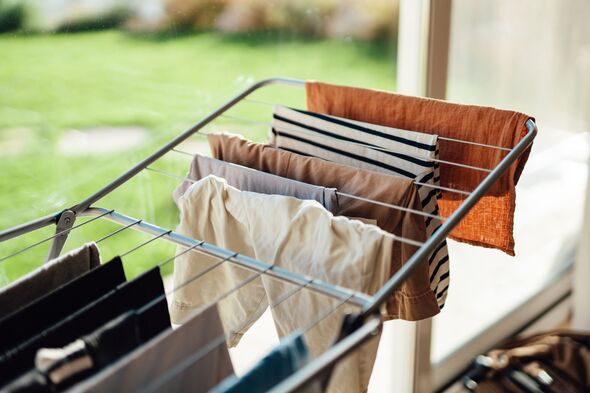
Drying clothes indoors during winter can be a challenge, especially when faced with damp conditions and persistent musty odors. With energy costs rising and many lacking outdoor drying options, I compared five common indoor drying methods: a tumble dryer, a dehumidifier, a heated airer, a clothes horse, and a bathroom extractor fan. Each method was tested under real-life conditions, including heavy washes of items like hoodies and jeans, to assess their drying effectiveness, cost implications, and impact on indoor humidity.
Method 1: Bathroom Extractor Fan
Using a bathroom extractor fan involves hanging clothes in the bathroom while the fan operates to remove moisture. This method has its advantages, particularly for small homes where humidity control is crucial.
The pros include the potential to keep humidity levels low in living areas. However, the effectiveness largely depends on the fan’s strength. In my case, the fan was designed for brief use during showers rather than extended drying periods, which hampered its performance. Additionally, the limited space in my bathroom made it challenging to hang clothes effectively. The cooler temperatures in winter further slowed the drying process.
The result? A disappointing score of 2/10. While it is inexpensive, this method proved ineffective for drying clothes.
Method 2: Clothes Horse
A clothes horse is a simple, cost-effective option, typically priced around £10. It requires no electricity and can be placed near a radiator for added heat. Nonetheless, this method has significant drawbacks.
Clothes took an extended time to dry, with some areas, particularly thicker fabrics like waistbands and towels, remaining damp for days. This prolonged drying period contributed to musty odors developing, ultimately leading to a score of 3/10. While affordable, the clothes horse was the least effective at preventing unpleasant smells.
Method 3: Heated Airer
Heated airers are often marketed as a budget-friendly alternative to tumble dryers. I purchased the Minky Wing 12m Heated Clothes Airer for £60. This method showed some promise, with clothes drying slightly faster than on a standard clothes horse.
However, the results were uneven, with only areas in direct contact with the heated rails drying effectively. Despite its cover designed to retain heat, I did not observe a significant difference in drying performance. Additionally, the airer did not help reduce room condensation, which contributed to dampness. This method received a score of 4/10, as it did not justify the price given the results.
Method 4: Dehumidifier
The dehumidifier emerged as a strong contender, providing effective drying while addressing condensation and mould issues. I used a model from Meaco, which is recommended for laundry drying. Priced at approximately £159.99, it proved to be significantly cheaper to operate than a tumble dryer.
Clothes dried reasonably quickly, especially in a closed room. However, even with a good-quality model, drying times still ranged from one to two days, allowing musty smells to develop, particularly on thicker fabrics. This method earned a score of 7/10 for its overall effectiveness, although it did not completely eliminate musty odors.
Method 5: Tumble Dryer
Ultimately, the tumble dryer was the standout option, fully eliminating musty smells and drying clothes quickly. My Hotpoint Condenser model efficiently handled large items like bed sheets and towels, providing a complete wash-and-dry cycle in a single day.
This method is particularly advantageous for families needing to manage frequent laundry loads. However, it comes with significant costs, both in terms of energy consumption and initial investment. Operating a condenser dryer can be more expensive than other methods, particularly in terms of electricity usage. Additionally, space considerations and safety factors, such as regular filter maintenance, must be taken into account.
Despite these drawbacks, the tumble dryer achieved a high score of 9/10. For those prioritizing fresh-smelling clothes that dry quickly, it remains the most effective option, particularly during colder months.
In conclusion, while each method has its pros and cons, the tumble dryer stands out as the best solution for indoor laundry drying, ensuring clothes are not only dry but free from musty odors, a significant consideration during the winter season.