The introduction of Extended-range Twin-engine Operational Performance Standards, known as ETOPS, marked a significant transformation in commercial aviation. Prior to ETOPS, twin-engine aircraft faced stringent limitations, being restricted to flying within approximately one hour of a suitable diversion airport due to concerns over engine reliability. This restriction largely confined long overwater routes to three- or four-engine aircraft, which were less fuel-efficient and more costly to operate.
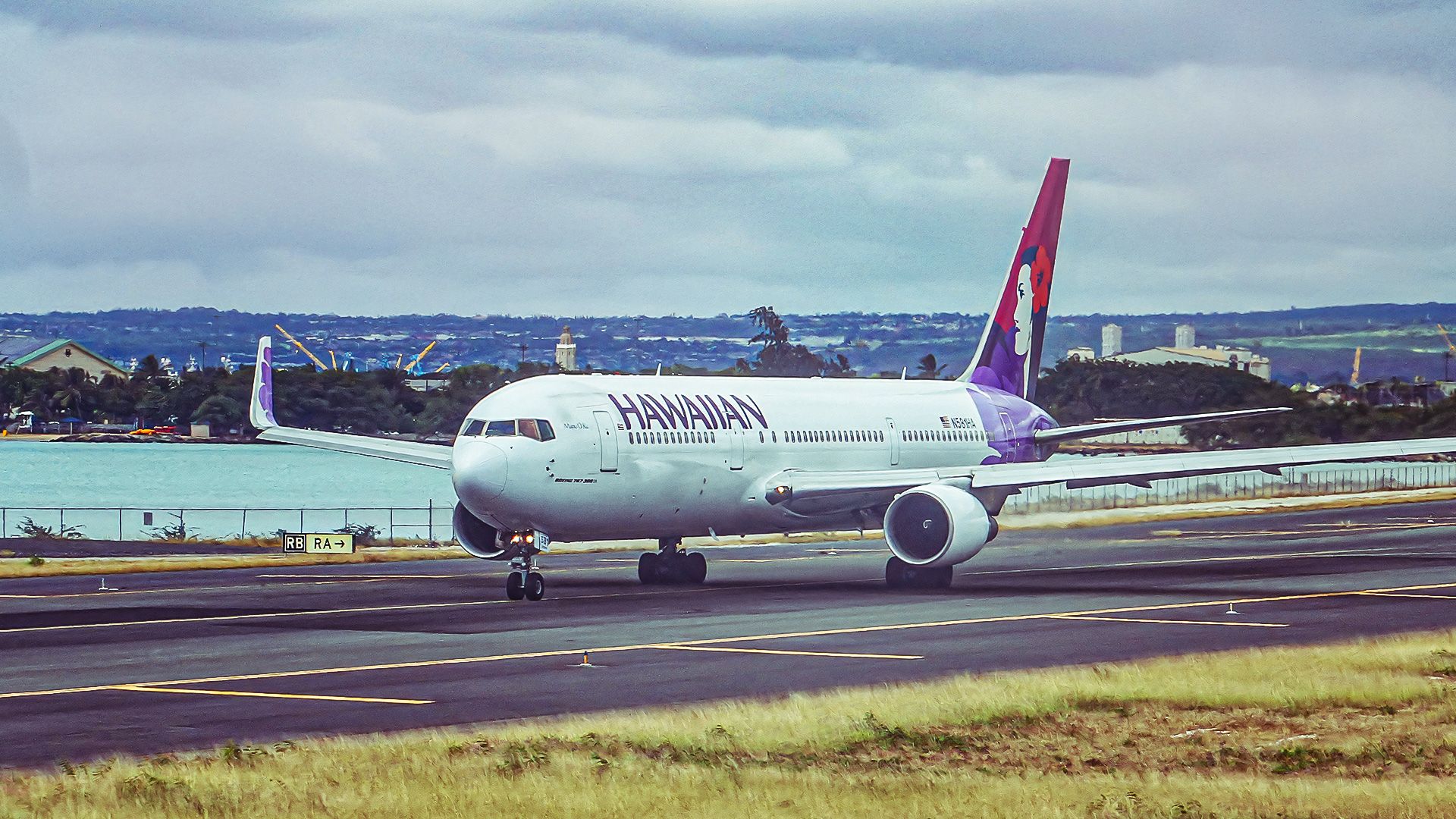
The Boeing 767 emerged as a pivotal player in this evolution. Launched in the early 1980s, the 767 combined advanced technology, reliable engines, and robust systems. Its successful performance during testing demonstrated to regulators that twin-engine jets could safely operate on longer overwater flights. This breakthrough opened the door for airlines to plan more direct and fuel-efficient routes.
Changing the Landscape of Long-Haul Flights
In the early days of jet aviation, safety regulations limited twin-engine aircraft to a baseline flying distance of 60 minutes from a diversion airport. By 1976, this limit was extended to 90 minutes for some aircraft, such as the Airbus A300. The rationale behind these restrictions stemmed from concerns that losing an engine over remote areas could lead to catastrophic outcomes. Consequently, long-haul routes, including transatlantic and transpacific flights, were served predominantly by less economical three or four-engine aircraft.
This operational limitation heavily influenced airline route planning, compelling carriers to avoid direct long-haul paths. As a result, airlines resorted to using larger, less efficient aircraft, which in turn increased operating costs. In the 1970s and 1980s, enhancements in engine technology and reliability prompted regulators to reassess these restrictions. Manufacturers and airlines began showcasing the potential of modern twin-engine aircraft to safely operate at greater distances from diversion airports, given that stringent reliability and operational standards were met.
The introduction of the Boeing 767 was a game-changer. With its cutting-edge design and dependable engines, the aircraft became a test case for proving that twin-engine jets could undertake longer overwater flights. Airlines collaborated with Boeing to present robust data on engine performance, system redundancy, and overall reliability, which played a crucial role in obtaining regulatory approval for extended twin-engine operations.
Establishment and Expansion of ETOPS
The certification of the Boeing 767 for extended operations marked the inception of ETOPS. This approval allowed twin-engine jets to operate routes that were previously deemed off-limits, significantly broadening the scope of long-haul airline operations. By March 1989, the first ETOPS approval for the Boeing 767 permitted flights up to 120 minutes from a diversion airport, primarily on transatlantic routes.
This initial approval was a landmark achievement, enabling twin-engine aircraft to conduct direct long-haul flights that had traditionally required three or four-engine jets. Airlines could now implement more efficient route planning, thereby reducing fuel consumption and overall flight times while enhancing passenger convenience.
The 120-minute limit was established with rigorous oversight. Airlines seeking ETOPS certification were required to implement comprehensive maintenance programs, provide specialized crew training, and adhere to detailed operational procedures. Regulatory authorities meticulously evaluated engine performance, aircraft systems reliability, and emergency response protocols before granting approval.
The success of these initial ETOPS flights built confidence among both airlines and regulators. As a result, authorities gradually extended allowable distances from diversion airports, eventually leading to 180-minute ETOPS and beyond. This evolution underscored the balance between technological innovation and operational safety, demonstrating that meticulous planning and reliable systems could extend the capabilities of twin-engine aircraft on some of the world’s most challenging routes.
As confidence in the Boeing 767’s operational reliability increased, regulators expanded ETOPS limits to 180 minutes in the late 1980s and early 1990s. By 1993, full certification was achieved, allowing twin-engine aircraft to operate on nearly any long-haul route, including complex transpacific and transatlantic flights.
The 180-minute ETOPS approval not only enhanced operational flexibility for airlines but also allowed them to serve markets that had previously necessitated larger aircraft. By facilitating direct, nonstop flights, airlines could significantly reduce travel times and optimize fuel efficiency.
Transforming Airline Operations
ETOPS fundamentally altered airline route planning and fleet utilization. Twin-engine aircraft could now operate many long-haul routes traditionally reserved for larger, more expensive jets. This shift enabled airlines to deploy smaller, more fuel-efficient aircraft for transoceanic and remote routes, thereby improving aircraft utilization and operational flexibility.
With fewer limitations on overwater operations, airlines could plan more direct flight paths, further reducing both flight times and fuel consumption. This transformation unlocked new market opportunities, making previously challenging destinations accessible with twin-engine aircraft.
Overall, ETOPS allowed airlines to operate more efficiently and expand service offerings to passengers, reshaping the economics and logistics of long-haul air travel. The availability of ETOPS-certified aircraft also influenced fleet purchasing decisions, with airlines increasingly favoring twin-engine widebodies due to lower acquisition costs and improved fuel efficiency.
The legacy of the Boeing 767 under ETOPS has been profound, paving the way for modern long-haul twinjets such as the Boeing 777, 787, and Airbus A330/A350. These aircraft were designed with ETOPS requirements in mind, ensuring they could safely operate on the longest overwater routes, providing airlines with both efficiency and operational flexibility.
ETOPS has instigated a cultural shift in airline operations, prompting airlines and regulators to emphasize data-driven decision-making and rigorous operational procedures. By leveraging insights from engine performance and operational trends, airlines can confidently plan long-haul flights with twin-engine aircraft while maintaining high safety standards.
Today, ETOPS remains a cornerstone of commercial aviation planning, enabling airlines to optimize fuel efficiency, reduce environmental impact, and establish more direct, flexible route networks. The pioneering work with the Boeing 767 demonstrated that twin-engine aircraft could effectively replace larger, less efficient jets on long-haul routes, a legacy that continues to influence modern aviation practices worldwide.