As the New Year celebrations unfolded, discussions at various gatherings revealed a blend of political tension and economic concerns in the UK. Among the attendees was prominent media figure Piers Morgan, whose parties have become synonymous with lively discourse and high-profile mingling. Conversations at these events often gravitated towards the future of the Labour Party, particularly regarding the leadership of Keir Starmer, whose popularity has significantly waned.
The atmosphere at these gatherings suggested an underlying anticipation for a potential leadership challenge within the Labour Party. Many party members are contemplating whether Starmer can retain his position, particularly as the party gears up for the May elections. The discussion centered on whether the party might shift towards a more pro-European stance to address economic policy and international relations effectively. If Starmer is to remain relevant, he may need to align himself more closely with the soft left and take decisive steps regarding relations with the European Union.
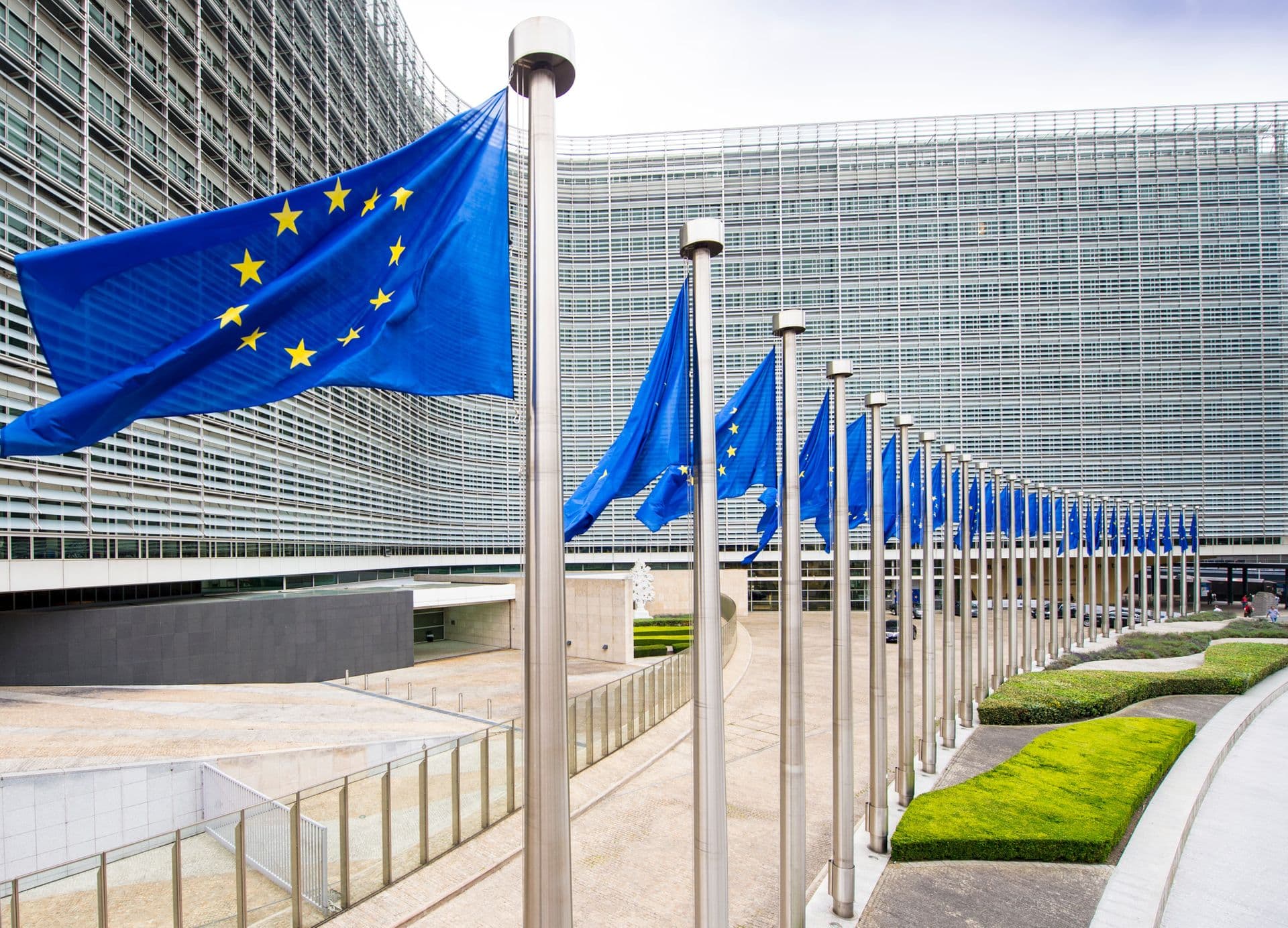
The potential impact of a Labour leadership change could reverberate through various sectors. The imminent May elections will see Reform and the pro-European Lib Dems clash, steering the national conversation back towards European relations, especially in light of recent geopolitical shifts, including the revival of the Monroe Doctrine by the Trump administration. This could force Labour to clarify its stance on Europe, making it increasingly challenging for the party to navigate its position without a more defined policy.
Economic Reflections and the State of Cash
The winter break also highlighted notable economic realities. Conversations revealed a stark contrast to previous festive seasons, where cash was a common means of exchange. In 2025, many individuals found themselves relying on digital payments rather than carrying physical money, reflecting a broader trend as over 6,000 bank branches have closed across the UK in the past decade. This shift has altered the festive spirit, as many who would typically share their wealth during the holidays now navigate financial constraints.
The closure of bank branches has left many communities without easy access to cash, leading to poignant reflections on the past. The once-familiar sight of individuals generously distributing cash to delivery drivers and local children has diminished. Instead, the landscape now features empty bank buildings that evoke memories of a different time, reminiscent of the poetic imagery of ancient ruins.
Social Dynamics at New Year Gatherings
Among the highlights of the festive season were social gatherings, particularly those hosted by Morgan, where political figures and media personalities mingled. These events are marked by lively exchanges and often outrageous gossip, reminiscent of previous decades when figures like David Frost held similar soirées. The camaraderie among attendees, including notable figures like Wilf Frost, now a presenter at Sky, fosters an environment ripe for political and social commentary.
Morgan’s gatherings not only serve as a platform for lively discussion but also as a reminder of the evolving media landscape and the personal journeys of its participants. As Morgan once advised, the swift changes in popularity can affect anyone, revealing the transient nature of fame and influence.
While some attendees may have opted for sobriety, the spirit of celebration remained vibrant. Literary references, such as a quote from Anna Karenina by Leo Tolstoy, echoed through conversations, highlighting the nuanced relationship many have with alcohol. These reflections contribute to the multidimensional atmosphere of New Year festivities, blending humor with a deeper understanding of contemporary challenges.
As the Labour Party navigates this complex landscape, the conversations sparked at these gatherings will undoubtedly shape the future of UK politics and its economic policies in the coming year.