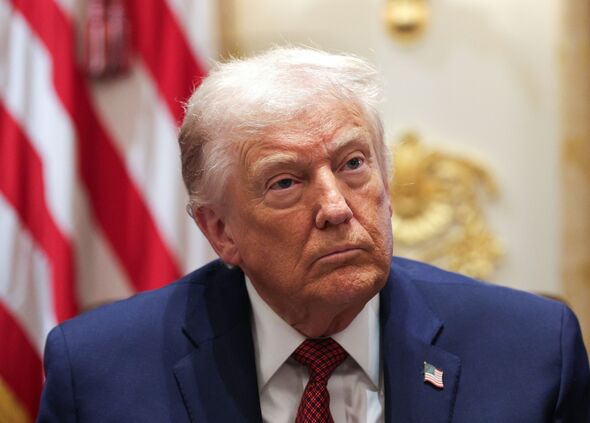
Tensions have escalated between the United States and Denmark following comments made by U.S. President Donald Trump regarding Greenland. Danish Prime Minister Mette Frederiksen has publicly urged Trump to “stop the threats” after concerns arose that the U.S. may seek to exert control over the territory.
The situation intensified when Katie Miller, a senior aide to Trump, shared a map of Greenland adorned with the colors of the American flag along with the word “SOON” on the social media platform X. This post sparked fears in Denmark that the U.S. might attempt to annex Greenland, a territory that has been part of the Danish Kingdom for centuries.
Denmark Responds to U.S. Comments
In a statement released on the Danish government website, Frederiksen expressed her disapproval of the notion that the U.S. could take over Greenland, stating, “It makes absolutely no sense.” She emphasized that Trump has “no right to annex any of the three nations in the Danish kingdom.” The Prime Minister further highlighted the sentiments of the Greenlandic people, who have made it clear that they are “not for sale.”
Frederiksen’s remarks resonate deeply given the historical ties between Denmark and Greenland. The Prime Minister’s call for the U.S. to cease its threats underscores the fragile nature of international relations in light of recent events. “I would therefore strongly urge the United States to stop the threats against a historically close ally and against another country and another people,” she added.
The comments from both sides reflect broader geopolitical concerns, as Greenland holds strategic significance due to its location and natural resources. As discussions about climate change and military presence in the Arctic intensify, the future of Greenland remains a focal point for both Danish and American interests.
The Impact on International Relations
The exchange between Trump and Frederiksen highlights the delicate balance in international diplomacy. The Danish government has historically maintained a strong relationship with the U.S., but Trump’s remarks have strained this bond. The notion of annexation raises not only political but also ethical questions about sovereignty and the rights of nations to self-determination.
As global attention turns to the Arctic region, the implications of U.S. actions regarding Greenland could have far-reaching effects on international relations. Many observers are closely monitoring how this situation unfolds, particularly in the context of U.S.-Danish relations and their shared interests in security and economic cooperation.
The developments surrounding Greenland serve as a reminder of the complexities in international politics. With both nations committed to preserving their long-standing alliance, it remains to be seen how they will navigate these challenges moving forward.