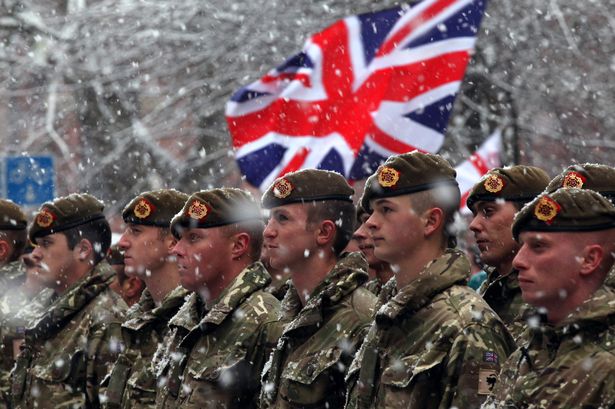
As global tensions escalate, the United Kingdom is launching a new military gap year programme for young people under the age of 25. Starting in March 2024, this initiative aims to bolster army recruitment while equipping participants with essential life skills. In light of growing threats, particularly from Russia, the programme provides an introduction to military life without a commitment to full-time service. Those who choose to remain in the Armed Forces will receive additional training for operational deployment.
Historical context sheds light on the potential for future conscription in the UK. During previous conflicts, such as World War II, certain essential workers were exempt from conscription to ensure the nation’s infrastructure remained intact. Key roles included bakers, farmers, doctors, nurses, and engineers. As noted by the Mirror, the possibility of widespread conflict today may seem far-fetched, yet it is increasingly viewed as a pressing concern.
In World War II, conscription began with men aged between 20 and 22, as early as six months before hostilities officially commenced. The UK Parliament website explains that in the spring of 1939, under Prime Minister Neville Chamberlain, the deteriorating international situation necessitated preparations for war against Nazi Germany. The Military Training Act, approved in May 1939, initially mandated limited conscription for single men in this age group, resulting in approximately 240,000 registrations for service.
On September 3, 1939, when Britain declared war on Germany, the age range for conscription expanded dramatically. The National Service (Armed Forces) Act mandated registration for all males aged 18 to 41, with exemptions for those medically unfit or working in key industries. By late 1941, the scope had widened further, enlisting women and “all childless widows” aged 20 to 30, along with men up to age 51.
The implications of modern conscription have been voiced by politicians and military veterans. Mike Martin, a member of Parliament and Afghanistan veteran, has expressed concerns about the potential for conflict with Russia. He stated, “There’s a significant chance that it might happen, so we must be prepared.” Martin emphasized the need for military strength as a deterrent, asserting that preparedness can reduce the likelihood of war.
The Liberal Democrats have echoed these sentiments, warning that any involvement in a general war with Russia would likely lead to a draft of the population. Martin underscored the importance of military readiness, stating, “Being prepared generates deterrence, which decreases the likelihood of this happening.” His perspective reflects a broader recognition of the shifting geopolitical landscape and the need for national security.
As the new military gap year programme prepares to launch, it may serve as a critical avenue for youth engagement in national defense. While the specifics of contemporary conscription remain uncertain, understanding historical precedents can inform current discussions about military readiness and the roles that individuals may play in times of crisis. With the specter of conflict looming, the UK’s approach to recruitment and conscription will continue to develop in response to evolving global dynamics.