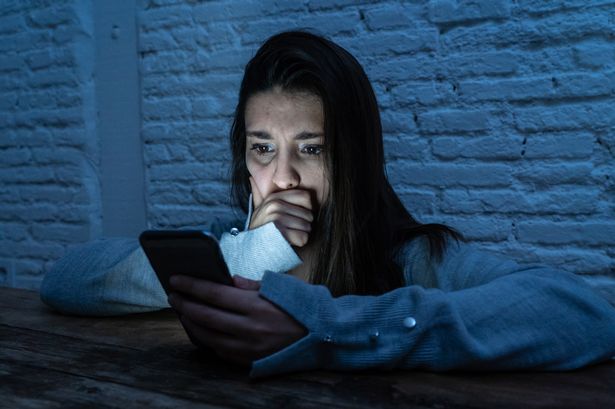
Residents of Scotland have been alerted to a new scam targeting individuals seeking tax refunds as they enter the new year. The fraudulent messages, which appear to be from the HM Revenue and Customs (HMRC), could lead unsuspecting victims to lose thousands of pounds. As January 2026 approaches, many people face financial pressures following the festive spending season, making them prime targets for these scams.
Fraudsters are taking advantage of heightened concerns about money during this period. According to fraud expert Caroline Butler, this particular scam tends to “explode” in popularity every January after the holiday festivities conclude. In a recent TikTok video, she warned her followers about the increasing prevalence of these deceptive messages, saying, “This is a scam that explodes every single January, and people have lost thousands of pounds in the past because of it.”
The scam typically involves text messages that claim to offer an “outstanding tax refund.” These messages often evoke either anxiety or curiosity, prompting recipients to click on malicious links. Butler highlighted that some scammers impersonate the HMRC, sending emails that appear legitimate but contain harmful links. She urged caution, stating, “These can look really legit, so you have to be incredibly mindful and stay on your guard.”
It is crucial for individuals to remember that the HMRC will never send links in text messages. If someone receives such a message, it should serve as a warning sign that it may be a scam. If a recipient inadvertently clicks on a link and enters personal or financial details, they could unknowingly grant scammers access to their accounts or risk identity theft.
Butler advised, “So don’t reply to the message and don’t click on the link. Only contact HMRC through the official portals. You can reach them via their website. They will only contact you through your online official tax account.”
The rise in scams has prompted many individuals to share their experiences in the comments section of Butler’s video. One commenter revealed that they had received similar texts for months, noting that the messages came from mobile numbers, which is often a giveaway. Another individual mentioned receiving a legitimate letter from HMRC regarding an overpayment of £6, emphasizing the importance of recognizing genuine communication.
The HMRC has also issued warnings regarding any communications that pressure individuals to act quickly. This includes unexpected or threatening messages, whether received by phone, email, or text. In the 12 months leading up to July 31, 2025, customers reported over 170,000 scam referrals to the HMRC. While this figure represents a 12 percent decline from the previous year, more than 47,000 reports still involved fake tax refund claims.
To safeguard against these scams, the HMRC advises individuals to check their official scams guidance if they receive any communication claiming to be from the organization that requests personal details or offers a tax rebate. Staying informed and vigilant can help protect against falling victim to these increasingly sophisticated fraud schemes.