On January 2, 2024, reports emerged of an alleged attack on the residence of Russian President Vladimir Putin, marking a significant escalation in the ongoing conflict between Russia and Ukraine. According to statements from the Ukrainian military, the operation targeted a facility believed to be linked to the Russian leadership in Moscow. This incident is part of a broader pattern of increased military engagement as both sides intensify their efforts in the protracted war.
Ukrainian forces claimed responsibility for the strike, asserting that it was aimed at disrupting command and control structures within the Russian military. The attack reportedly involved precision munitions, with sources indicating that the operation was planned meticulously to avoid civilian casualties. While the Russian Ministry of Defense has not confirmed the attack, it described the situation as a “provocation” intended to undermine Russia’s military operations.
Details of the Alleged Attack
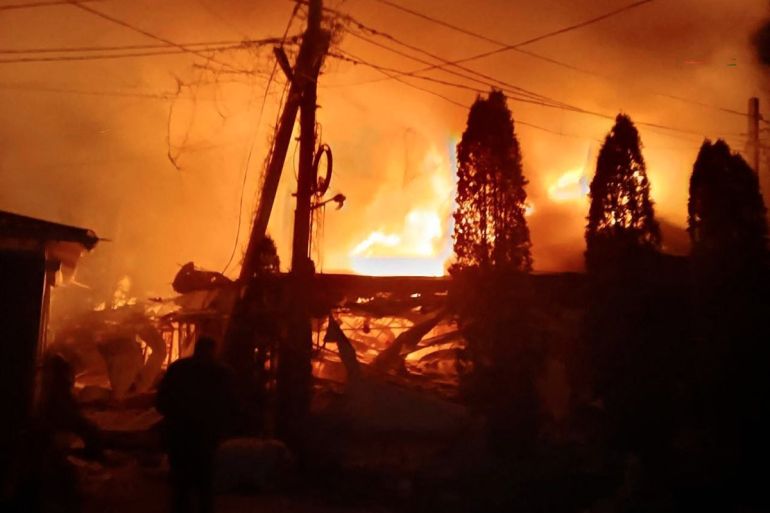
The attack on Putin’s residence took place within a larger context of heightened violence that has characterized the conflict for over 1,400 days. It underscores the ongoing volatility in the region, as both Ukraine and Russia continue to grapple with military and strategic challenges. Witnesses in the vicinity reported hearing explosions, which were later attributed to the Ukrainian assault.
Ukrainian President Volodymyr Zelensky stated that such operations are necessary to weaken Russian capabilities. He emphasized that Ukraine will continue to target key military infrastructure to safeguard its sovereignty and protect its citizens. The implications of this attack resonate deeply, as it raises questions about the security of Russian leadership and the potential for retaliatory measures.
International Reaction and Consequences
The international community has been closely monitoring developments. Analysts suggest that this incident could lead to an escalation of hostilities, with potential repercussions for diplomatic efforts aimed at resolving the conflict. Some experts warn that a retaliatory strike from Russia could occur, further complicating an already tense situation.
Reports indicate that NATO allies are preparing for various scenarios, emphasizing the importance of maintaining a unified stance in support of Ukraine. The situation remains fluid, with military analysts noting that both sides are likely to reassess their strategies in light of this attack.
As the conflict continues, the humanitarian impact remains a critical concern. Thousands of civilians have been affected by the ongoing violence, and aid organizations are calling for increased support to address the needs of those displaced by the fighting. The international response will be crucial in shaping the future dynamics of this conflict, as various stakeholders seek to navigate the complexities of the situation.
The events of January 2 serve as a stark reminder of the persistent volatility in the region, as both Russia and Ukraine remain entrenched in a conflict that shows no signs of resolution. The world watches closely as the situation unfolds, with implications that extend far beyond the immediate conflict zone.