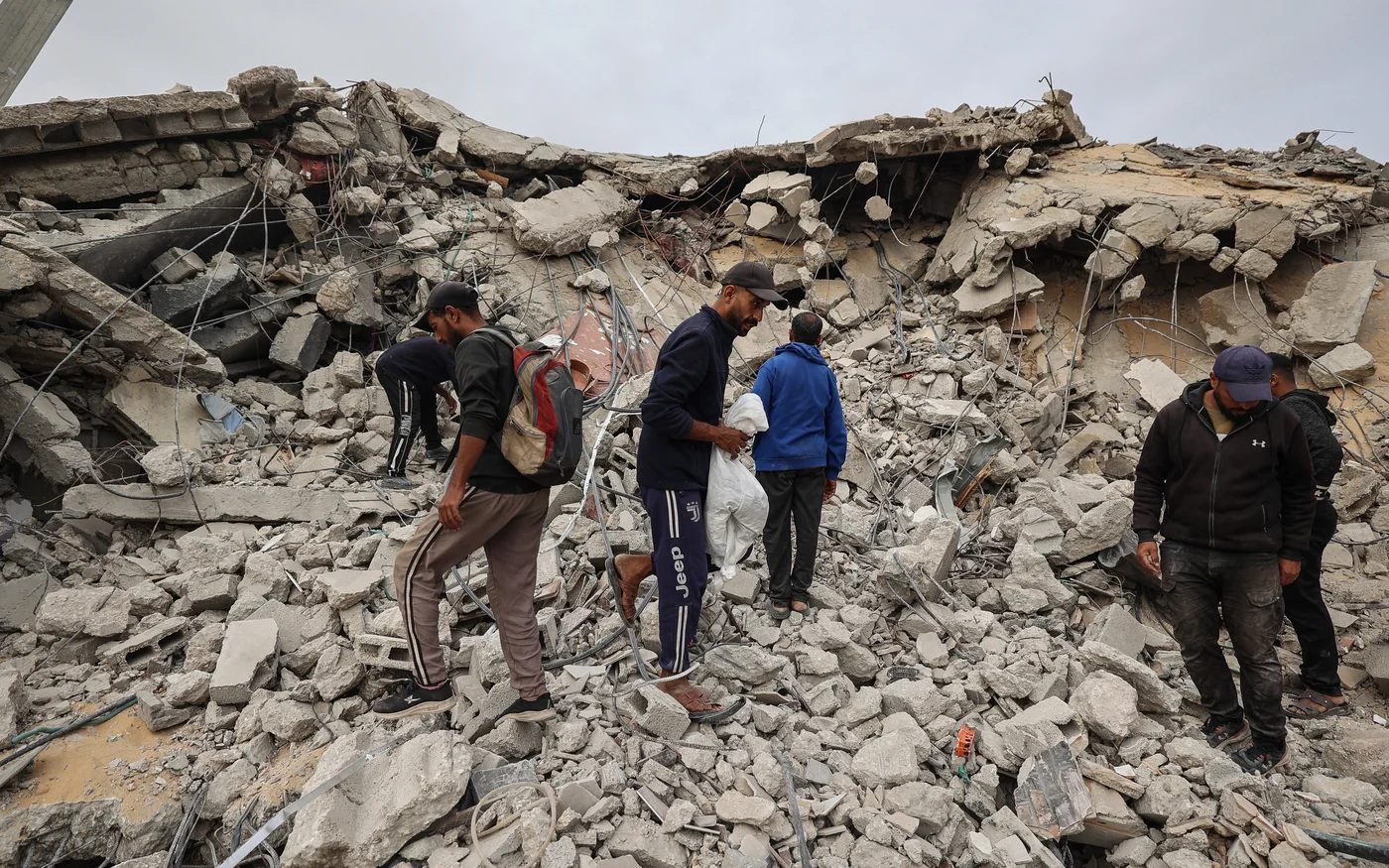
The Israeli army reported that its forces executed approximately 20,900 attacks as part of multi-front military operations in 2025. This information was disclosed by the military spokesperson on Wednesday, highlighting the scale of the ongoing operations.
The announcement coincided with a recent combing operation conducted along the border with Lebanon, specifically near the town of Arab al Aramsheh. The area has been a focal point for military activity, as tensions in the region continue to escalate.
Details of the Operations
The Israeli military’s operations are marked by extensive engagements across multiple fronts. While the spokesperson did not specify the exact nature of each attack, the high volume underscores a significant military commitment to addressing perceived threats in the region.
This extensive campaign aims to bolster security measures and deter potential incursions. The operation near Arab al Aramsheh suggests a concentrated effort to maintain control over border areas that have historically experienced conflict.
Military analysts note that the continued operations reflect the Israeli army’s strategy of proactive engagement. By targeting numerous sites, the military seeks to disrupt potential threats before they materialize, thereby enhancing national security.
Regional Implications
The increase in military activity raises concerns among neighboring countries and international observers. The spillover effects of such operations can lead to heightened tensions, prompting calls for diplomatic dialogue to address the root causes of conflict.
International response to these developments remains varied. Some countries advocate for restraint and emphasize the importance of negotiations to achieve lasting peace in the region. Others support Israel’s right to defend itself against perceived threats.
As the situation evolves, the international community will be closely monitoring the outcomes of these military operations. The Israeli army’s significant engagement in 2025 highlights the ongoing complexities in maintaining stability in a region marked by historical strife.
The current operations are part of a broader pattern of military readiness that has characterized the Israeli army’s approach in recent years. With ongoing tensions in the region, it remains to be seen how these operations will impact future relations between Israel and its neighbors.