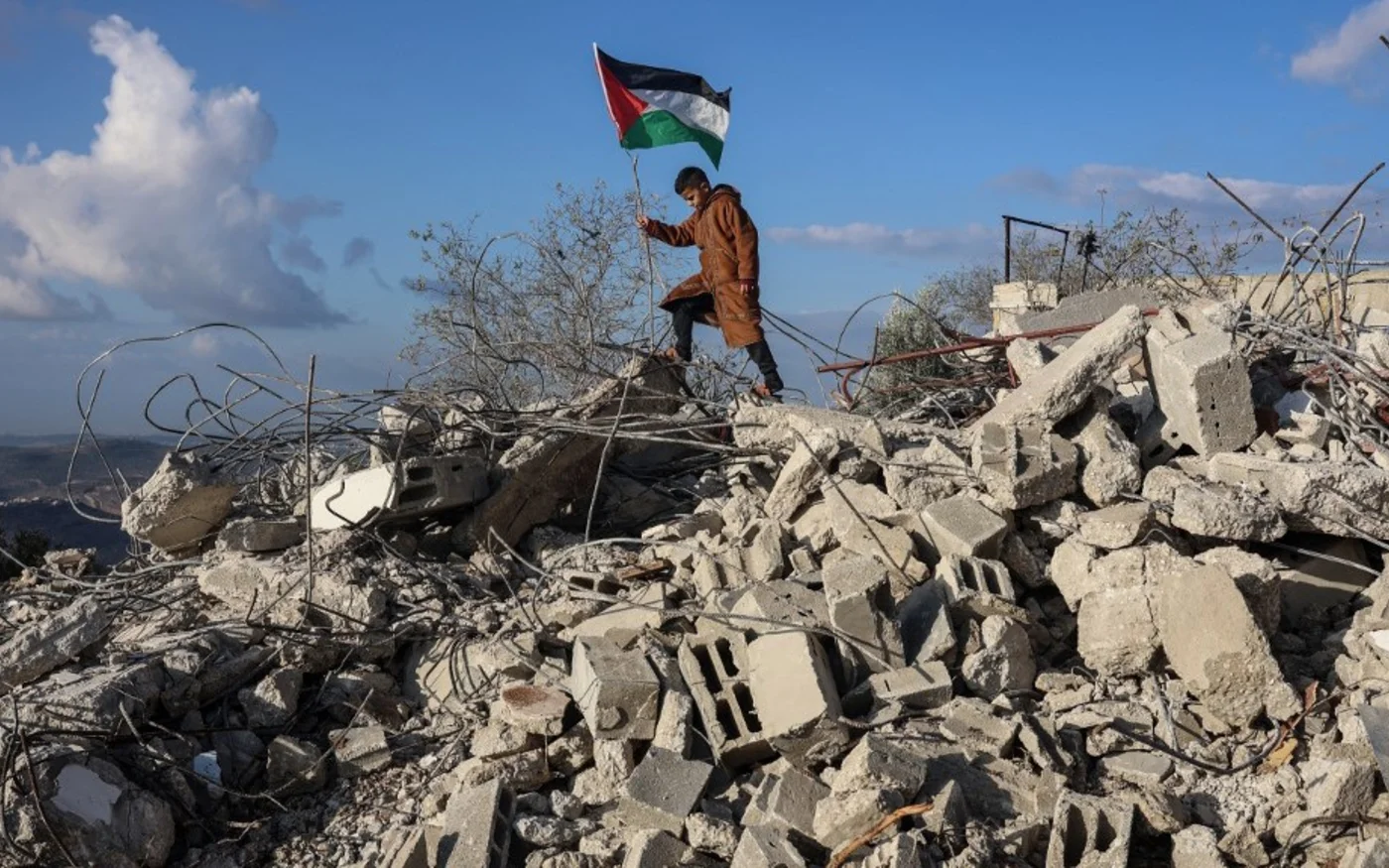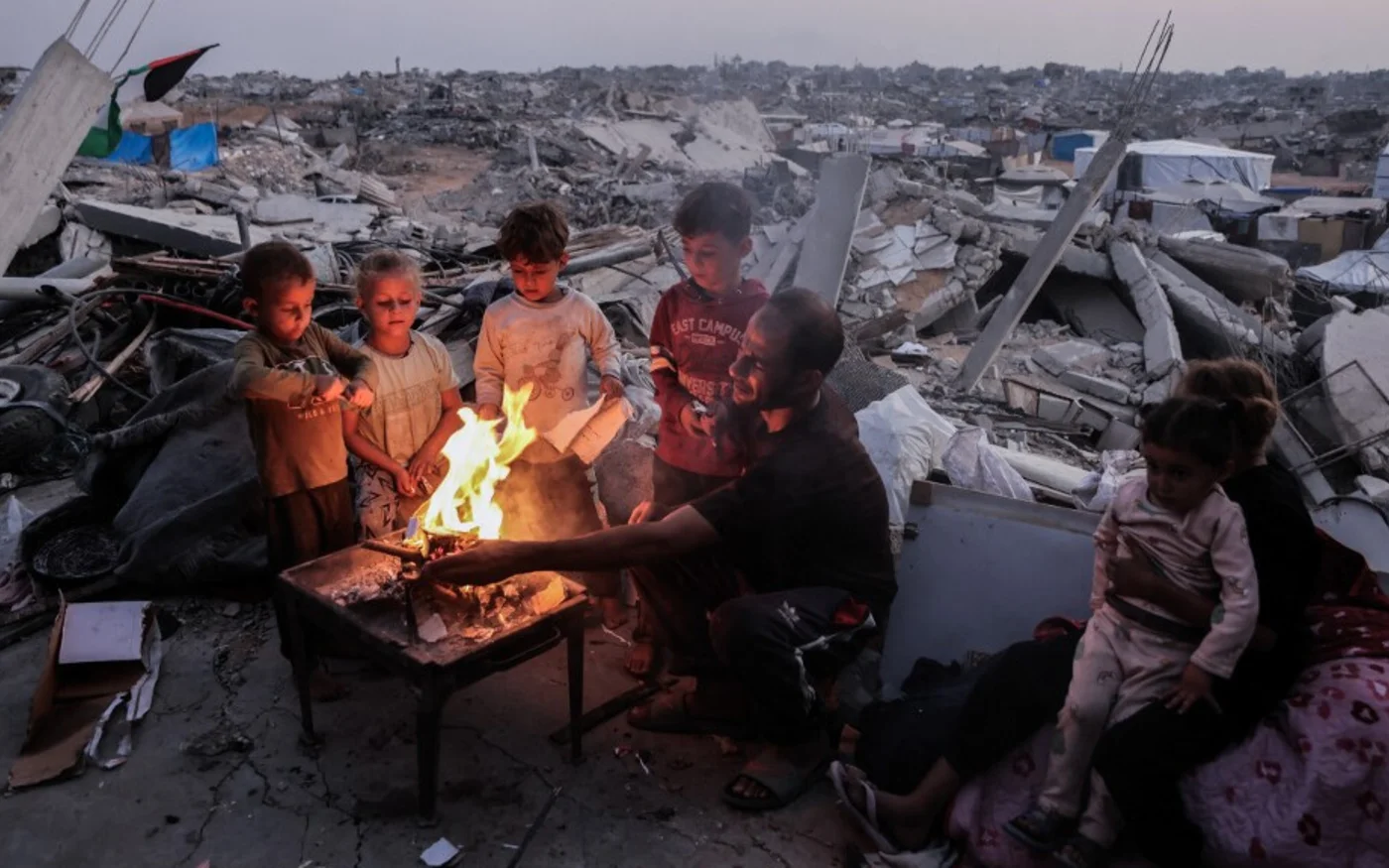
UPDATE: The humanitarian crisis in Gaza escalates as ongoing violence leads to unprecedented displacement and suffering among its residents. Just last week, reports confirmed that over 1 million Palestinians have been forcibly displaced, struggling to reclaim their homes amid relentless Israeli bombardment.
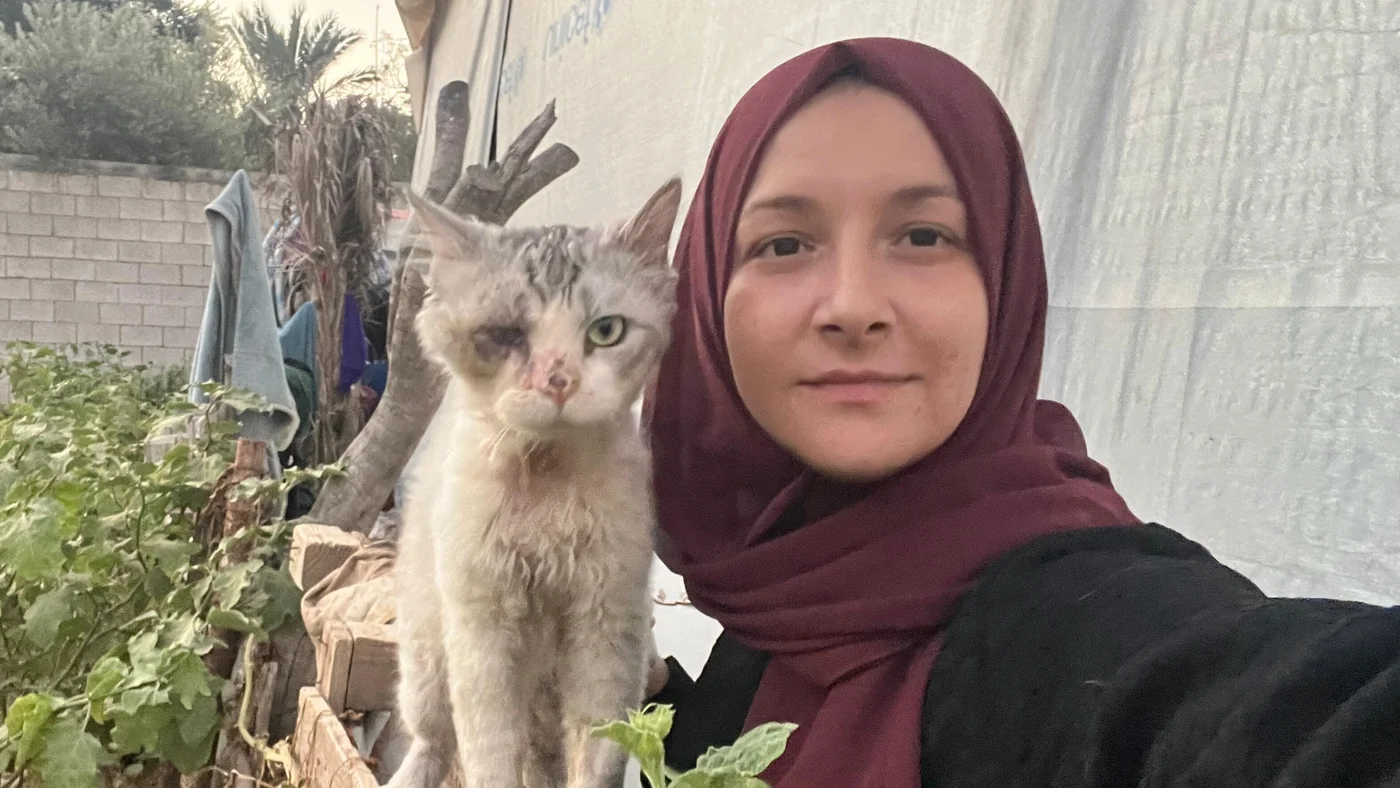
As the clock struck 23:59 on December 31, 2024, the anticipation of a new year felt overshadowed by despair in the corner of a room in Deir al-Balah, where a journalist awaited news of a potential ceasefire. With hope dwindling, the search for the word “Return” became paramount, symbolizing the desperate longing to return home.
On January 27, 2025, after a tense wait, displaced Palestinians were finally allowed back to northern Gaza. The scene was heart-wrenching yet hopeful as thousands moved toward what might be remnants of their former lives. “This was a moment I never imagined witnessing,” the journalist recounted, reflecting on the generational trauma and the fleeting hope of reclaiming lost dignity.
However, just as families began to settle, violence erupted again. By early March 2025, Israel imposed a total siege on Gaza, reigniting the cycle of destruction. Within weeks, the situation spiraled further as bombardments resumed, leading families to barter for food amid escalating hunger.
In a stark reflection of life in Gaza, the journalist described how the meaning of money evaporated under the pressure of survival. “Rather than buying new goods, we resorted to bartering,” they stated, highlighting the harsh reality of living under siege. As food became scarce, families found creative ways to survive, while local journalists reported on the crisis even as they faced their own hunger pangs.
By June 2025, the journalist returned to their damaged home, confronting the grim reality of starvation amid ongoing conflict. “I asked interviewees how they survived; it became a desperate search for answers,” they shared, revealing the profound personal impact of their reporting.
As aid slowly trickled back into Gaza’s markets by August 2025, new displacement orders from the Israeli military added to the chaos. Residents were forced to grapple with questions like, “Do you have anywhere to go?” reflecting the uncertainty that permeated daily life. The phrase “Until the last moment” became a haunting mantra among those who dared to hope.
On September 17, 2025, as the threat of bombardment loomed closer, the journalist made the difficult decision to leave their home once again. “Rather than fleeing Gaza City, I relocated to the center, feeling it was an act of resistance,” they explained. The weight of history pressed upon them, as they carried memories of their family’s past losses.
The situation deteriorated dramatically as the city faced relentless attacks. “Entire buildings were flattened, and those who remained witnessed unimaginable devastation,” they described. Amid this chaos, the struggle for survival intensified, forcing many to confront the stark reality of their existence.
On October 10, 2025, a long-awaited ceasefire was finally announced, offering a glimmer of hope. The journalist reflected on the year’s harrowing journey, noting, “A lifetime can be compressed into a single year here. We live both displacement and return, starvation and survival.”
The emotional toll of documenting such suffering is immense. “Survival under the gaze of the oppressor is the real fight,” they concluded, emphasizing the resilience of the human spirit amidst overwhelming adversity.
As the world watches, the situation in Gaza remains critical. The humanitarian crisis continues to unfold, with aid efforts desperately needed to alleviate the suffering of millions. The international community must respond swiftly to ensure the safety and dignity of those enduring this ongoing tragedy.
Stay tuned for updates on this developing story as we continue to follow the situation in Gaza.