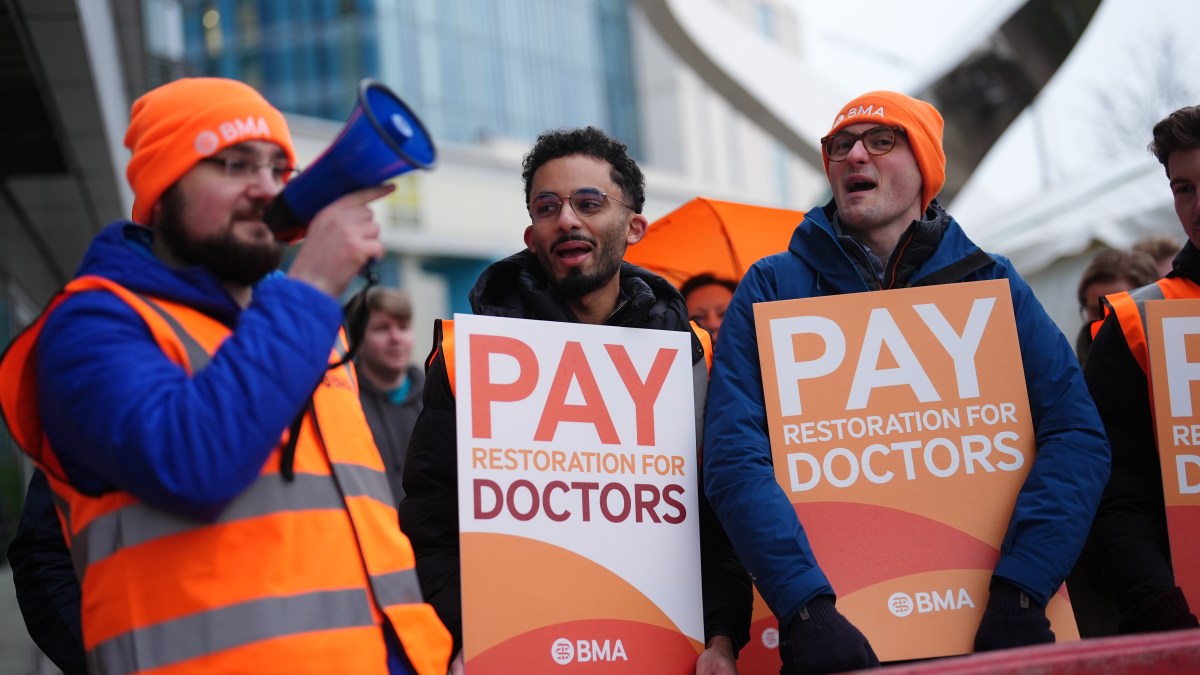
A significant strike action commenced on December 5, 2023, as doctors across the United Kingdom began a five-day walkout. This labor action takes place amidst an alarming surge in flu cases, raising concerns about the potential impact on patient care.
The strike, organized by the British Medical Association (BMA), is part of ongoing disputes over pay and working conditions. With the National Health Service (NHS) already under immense pressure from rising patient numbers, the decision to strike reflects deep-seated frustrations among healthcare professionals. The BMA has called for a pay increase that they argue is necessary to attract and retain staff within the NHS.
The timing of the strike has drawn criticism from Health Secretary Steve Barclay, who expressed concerns about the implications for patient safety during the flu season. In a statement, Barclay emphasized the need for doctors to consider their responsibilities toward patients, particularly as hospitals face mounting pressures due to seasonal illnesses.
As the strike unfolds, hospitals have implemented contingency plans to manage patient care. Emergency services will continue to operate, but non-urgent appointments and procedures are likely to be postponed. This situation has created an atmosphere of uncertainty for many patients who rely on timely medical care.
Impact on Healthcare Services
The ramifications of the doctors’ strike extend beyond immediate patient care. The NHS is currently grappling with a significant backlog of cases resulting from previous strikes earlier in the year. With winter bringing additional challenges, including increased flu cases, healthcare professionals warn that the ongoing disputes could exacerbate the crisis.
According to the Royal College of Physicians, the current flu outbreak has already led to a rise in hospital admissions, further straining resources. Experts note that the combination of the strike and the seasonal illness could overwhelm the system, leading to longer wait times and delayed treatments for patients.
Patients have expressed their concerns regarding the strike. Many fear that their healthcare needs may not be met during this critical period. Local health authorities are urging patients to seek alternative care options when possible and to remain vigilant about their health.
Future Negotiations
Looking ahead, both the BMA and the government are under pressure to return to the negotiating table. While the current strike is set to last five days, the ongoing nature of the dispute suggests that further action could be on the horizon if a resolution is not reached.
In the midst of the turmoil, the BMA continues to advocate for better pay and working conditions, arguing that these adjustments are essential to ensure the sustainability of the NHS. The organization has stated that it remains open to discussions, but significant progress will be required to end the strike.
As the situation develops, healthcare professionals, patients, and authorities alike will be closely monitoring the impact of the strike and the flu outbreak on the UK’s healthcare system. The challenge remains to find a balance that addresses the needs of doctors while ensuring that patients receive the care they require during this critical time.