Tensions between the UK and Iran have intensified, prompting British airbases to support US military operations in the region. Prime Minister Sir Keir Starmer confirmed that British bases would be available for limited US strikes aimed at Iranian missile launchers and infrastructure. This decision follows escalating military actions and a series of retaliatory strikes by Iran.
During a recent parliamentary session, Starmer defended his choice to initially deny access to British bases for US operations against Iran. He stated that he was not prepared to enter a conflict without a clear legal basis and a well-thought-out strategy. “The whole country is worried about the potential for escalation,” he said, urging for a measured response.
Despite criticism from opposition leader Kemi Badenoch, who questioned why the UK had not conducted offensive operations against Iranian missile sites, Starmer emphasized the priority of protecting UK nationals. “We’re taking action to reduce the threat with planes in the sky in the region intercepting incoming strikes,” he asserted.
Military Dynamics and Regional Impact
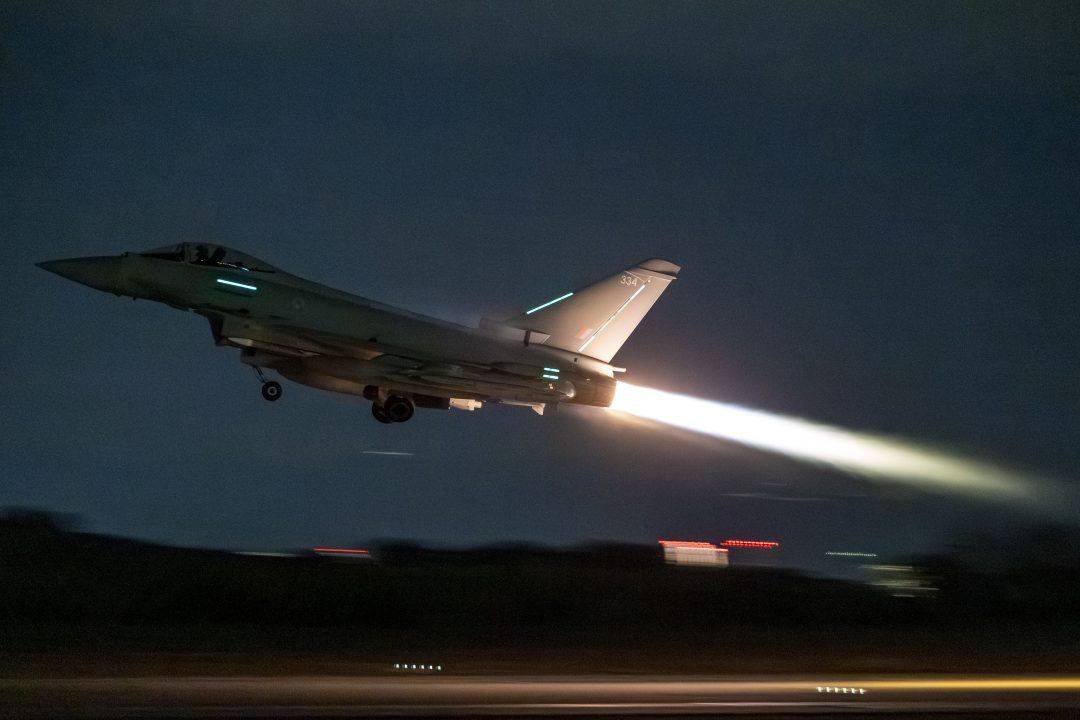
The UK’s airbases, including Diego Garcia in the Indian Ocean and RAF Fairford in Gloucestershire, are poised to play a crucial role in the ongoing conflict. Although US bombers have not yet utilized these bases, military officials indicated that they are expected to arrive within days. Starmer noted that British jets are currently engaged in intercepting drones and missiles that threaten US personnel in the Middle East.
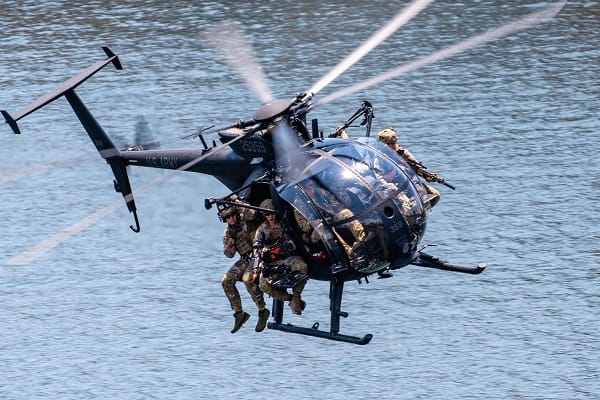
Western officials reported a surge in Iranian military activity, including missile strikes targeting Saudi Arabia and Kuwait. In a notable development, a US submarine sank an Iranian warship in the Indian Ocean, as tensions continue to escalate. Starmer highlighted that UK military assets, including Wildcat helicopters with anti-drone capabilities, would be deployed to RAF Akrotiri in Cyprus to bolster defense measures.
Starmer’s relationship with US President Donald Trump appears strained due to the ongoing crisis, though he reassured that the longstanding special relationship between the UK and the US extends beyond personal ties. He stated, “American planes are operating out of British bases. That is the special relationship in action.”
Response to Rising Threats
In light of the increasing threat from Iran, the UK government has faced scrutiny for its military readiness in the region. The HMS Dragon, a Type 45 destroyer, is scheduled to be deployed to the eastern Mediterranean to enhance security around Cyprus, with its departure expected next week.
Starmer insisted that proactive measures had been taken prior to the outbreak of hostilities. “Radar systems were pre-deployed, ground-based air defense was pre-deployed, counter-drone systems were pre-deployed, and F-35 jets were pre-deployed,” he explained, emphasizing the UK’s commitment to maintaining stability in the area.
In addition to military preparations, the UK government is also organizing charter flights to assist stranded British citizens in the region. A flight from Muscat, Oman, is scheduled for March 15, 2024, with two more flights anticipated in the coming days.
As the situation in the Middle East continues to evolve, military experts with experience from the Ukraine conflict have been dispatched to provide strategic advice. The international community is closely monitoring the developments, particularly given the region’s significance in global oil and gas supplies.
With the potential for further escalation, the UK remains focused on safeguarding its nationals while navigating the complexities of international military cooperation.