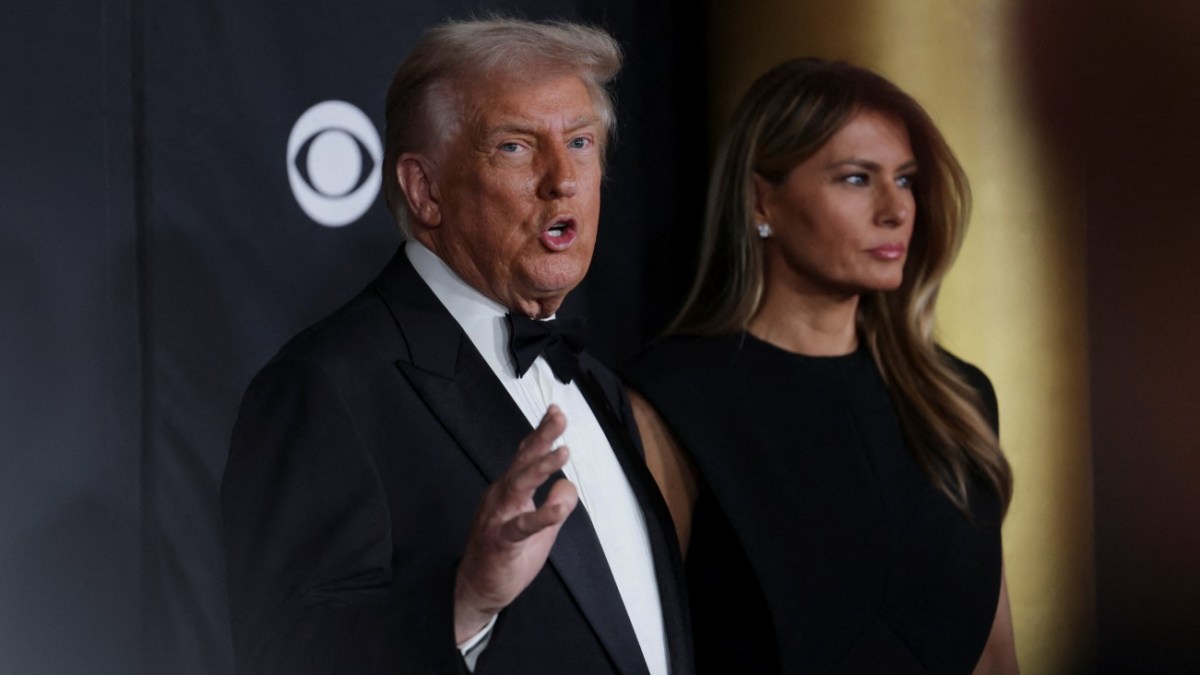
President Donald Trump has expressed concerns regarding Netflix’s recent announcement of an $83 billion acquisition of Warner Bros Discovery’s television and film studios. The merger is poised to create a streaming powerhouse with an estimated 30 percent share of the United States streaming market. Trump cautioned that such a significant market presence could attract scrutiny from regulators, who may deem it anti-competitive.
The potential merger has sparked debate over the future landscape of streaming services. Netflix argues that its competition extends beyond traditional streaming platforms like Disney+, Max, and Prime Video. The company maintains that it also faces competition from platforms such as YouTube and TikTok, as well as from broadcast television and video games. As the streaming industry evolves, Netflix is advocating for a broader perspective on competition in the market.
Trump revealed that he recently met with Ted Sarandos, Netflix’s co-CEO, to discuss the implications of the merger. He stated, “We’ll see what happens. But it is a big market share. It could be a problem.” This comment underscores the potential regulatory challenges the merger may face as it moves forward through the approval process.
The streaming market has seen intense competition in recent years, with numerous companies vying for viewer attention and subscription revenue. As major players consolidate, concerns about market dominance and consumer choice are increasingly at the forefront of discussions among industry stakeholders.
With the merger still subject to regulatory review, the outcome remains uncertain. Industry analysts and observers will be watching closely to see how regulators respond to the merger and whether they view it as a threat to competition within the streaming sector.
As Netflix proceeds with its plans, the implications of this acquisition could reshape the dynamics of the streaming market, affecting not only the companies involved but also millions of consumers who rely on these platforms for entertainment.