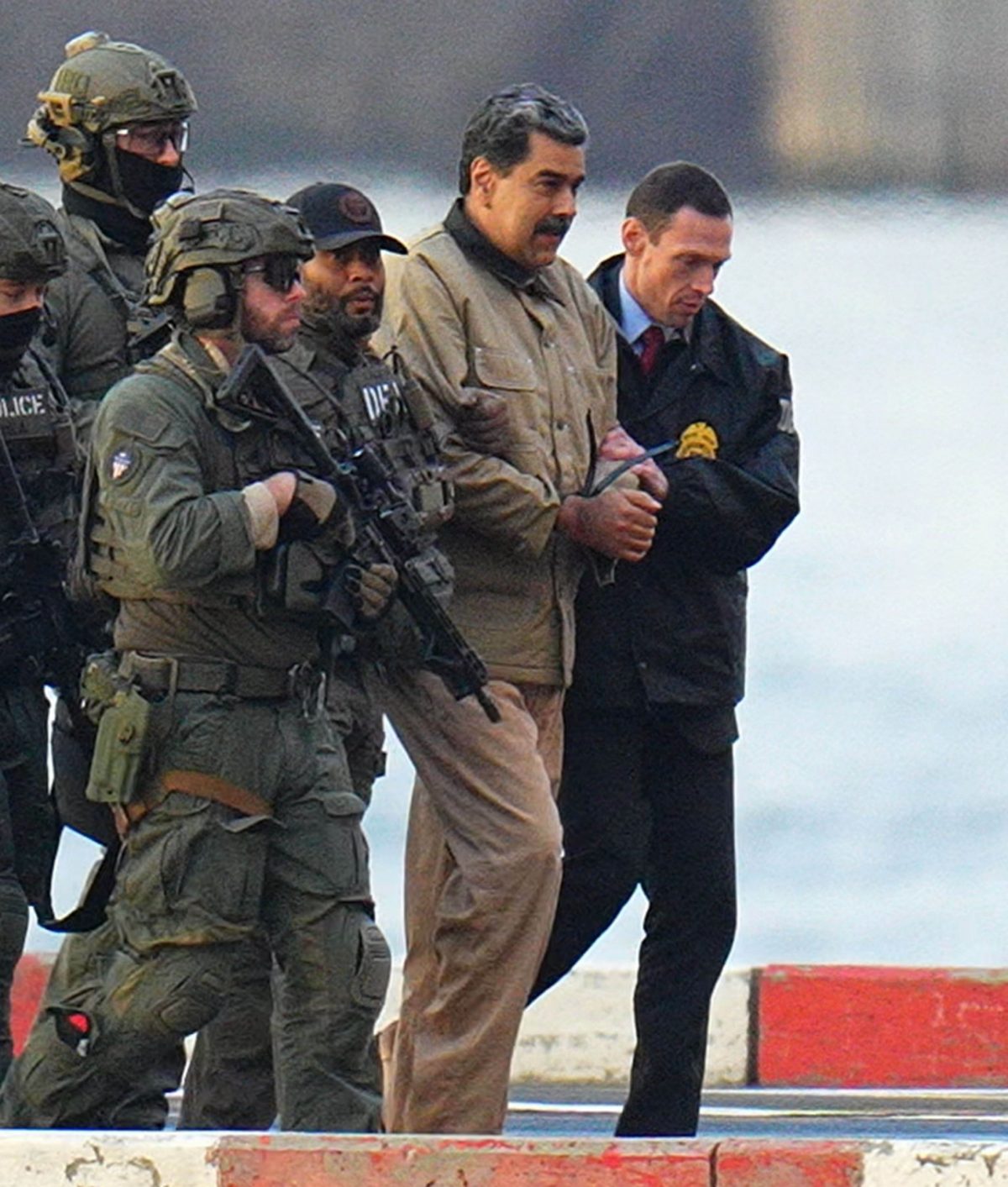
Nicolás Maduro, the former president of Venezuela, was arrested over the weekend by the US Drug Enforcement Administration (DEA) in New York City. This unexpected capture comes as Maduro faces severe charges related to narco-terrorism. Despite the circumstances, he appeared confident, greeting reporters with a casual “good night” and a “happy New Year,” moments after being taken from his home in Caracas.
Maduro’s demeanor during this latest encounter echoes the self-assuredness he displayed 18 years ago when I first met him. Back in February 2007, he was serving as Venezuela’s foreign minister, a position he held thanks to his connection with Hugo Chávez, the late president who sought to lead a Bolivarian socialist revolution. At that time, Maduro was a lesser-known figure, overshadowed by Chávez’s charisma.
Our initial meeting nearly fell through due to delays attributed to Maduro’s schedule. As a journalist from a US public television network, I arrived at the foreign ministry in Caracas for what was promised to be an exclusive interview. After waiting for hours, I nearly abandoned the effort. Ultimately, Maduro arrived late, exuding a confidence that belied the gravity of the situation he would later find himself in.
In that interview, Maduro spoke passionately about Venezuela’s potential. He envisioned a nation that could combat poverty through a diversified economic system, asserting that the country’s wealth would benefit its citizens. His words, while grand, masked the underlying economic issues that would soon escalate into a full-blown crisis.
Fast forward to the present, and Maduro finds himself in a precarious position. Last month, he reportedly declined an offer from Donald Trump to relocate to Turkey, displaying a remarkable level of confidence in his ability to evade US prosecution. Just prior to his arrest, he was seen casually driving through Caracas, even sharing a light moment with his wife, Cilia Flores, who is now also detained and awaiting trial in New York.
Maduro’s next steps will be crucial as he navigates the legal landscape in the United States. He plans to argue that his arrest was illegal, claiming it was an extrajudicial kidnapping carried out on Venezuelan soil. This defense may have merit, especially as the Trump administration struggles to justify the actions taken against him.
Alternatively, Maduro could leverage his extensive knowledge of covert US operations in Latin America to negotiate a plea deal. This strategy might involve promising not to disclose sensitive information in exchange for a reduced sentence or other concessions.
In a striking image captured shortly after his arrest, Maduro was seen handcuffed but still flashing a thumbs-up to the cameras, a testament to his enduring belief in his own narrative. As I learned during our earlier encounter, Maduro’s tendency to take risks could lead to significant miscalculations in the face of relentless scrutiny.
The unfolding events surrounding Maduro’s arrest and his subsequent legal challenges will likely draw significant media attention. His ability to maneuver through these turbulent waters will be pivotal not only for his future but also for the broader political landscape in Venezuela and its relations with the United States.