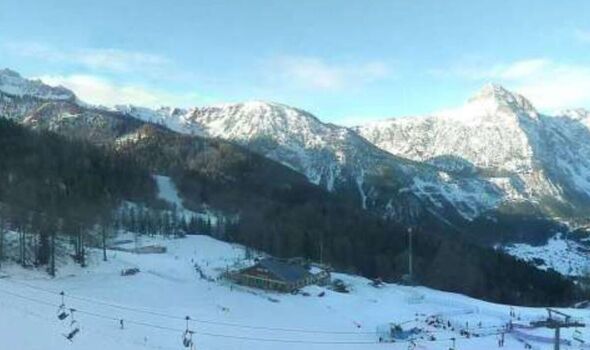
Italian ski resorts are grappling with a severe decline in snowfall, raising significant concerns for local businesses reliant on winter tourism. As the Christmas holidays approach, many skiers from across Europe are eager to visit the Alps, known for their exceptional ski facilities. However, the current snowfall situation is alarming, with reports indicating that this winter could mark the lowest snowfall in 60 years.
Europe is home to some of the world’s premier ski destinations, and Italian resorts have been particularly proactive in recent years. They have invested millions of euros to enhance infrastructure and improve visitor experiences, with over €300 million allocated last season alone for new lifts and snow-making equipment. The skiing industry in Italy generates an annual turnover of €11 billion, underscoring the importance of continuous investment for its sustainability.
Snowfall Deficits and Climate Impact
As natural snowfall becomes increasingly unpredictable, the reliance on artificial snow-making technology has grown. Last season, many resorts in the Italian Alps faced notable challenges due to inadequate snowfall, a trend attributed to ongoing climate change. According to data from the National System for Environmental Protection (SNPA), the Piedmont ski region has been particularly hard hit, with significant implications for some of its most famous resorts, including Sauze d’Oulx and Claviere.
In a report addressing the snowfall for the 2024-25 season, SNPA noted that the snowfall deficit in Piedmont reached between 20% and 40%, marking it as one of the least snowy seasons in six decades, particularly at lower altitudes and in southern areas. The report further revealed a drop of 20% to 50% in the number of days with snow on the ground, a stark reflection of changing climatic conditions.
The Lombardy region has also experienced adverse effects from milder weather, leading to a delayed start for the ski season. Central winter months have been characterized by warmer temperatures and limited snowfall, especially below 1,800 to 2,000 meters in elevation. This pattern has created uncertainty for ski resorts that depend heavily on consistent winter conditions.
Broader Implications for Winter Sports
Italy is not alone in facing challenges due to warmer winters; many other skiing nations across Europe are experiencing similar issues. Despite a significant snowfall and freezing temperatures at the end of November, many resorts have since encountered unseasonably warm weather, which has led to the rapid melting of pre-season snow.
The combination of these factors raises concerns not only for the immediate winter season but also for the long-term viability of ski resorts in Italy and beyond. As local businesses prepare for the peak holiday season, the hope remains that conditions will improve, allowing ski enthusiasts to enjoy the slopes and support the vital winter tourism economy.
With the reliance on artificial snow-making and ongoing investments in infrastructure, the future of skiing in Italy may depend on the ability to adapt to these changing climatic realities. The challenge now lies in balancing the needs of the industry with environmental considerations, ensuring that the winter tourism sector can thrive in an uncertain climate.