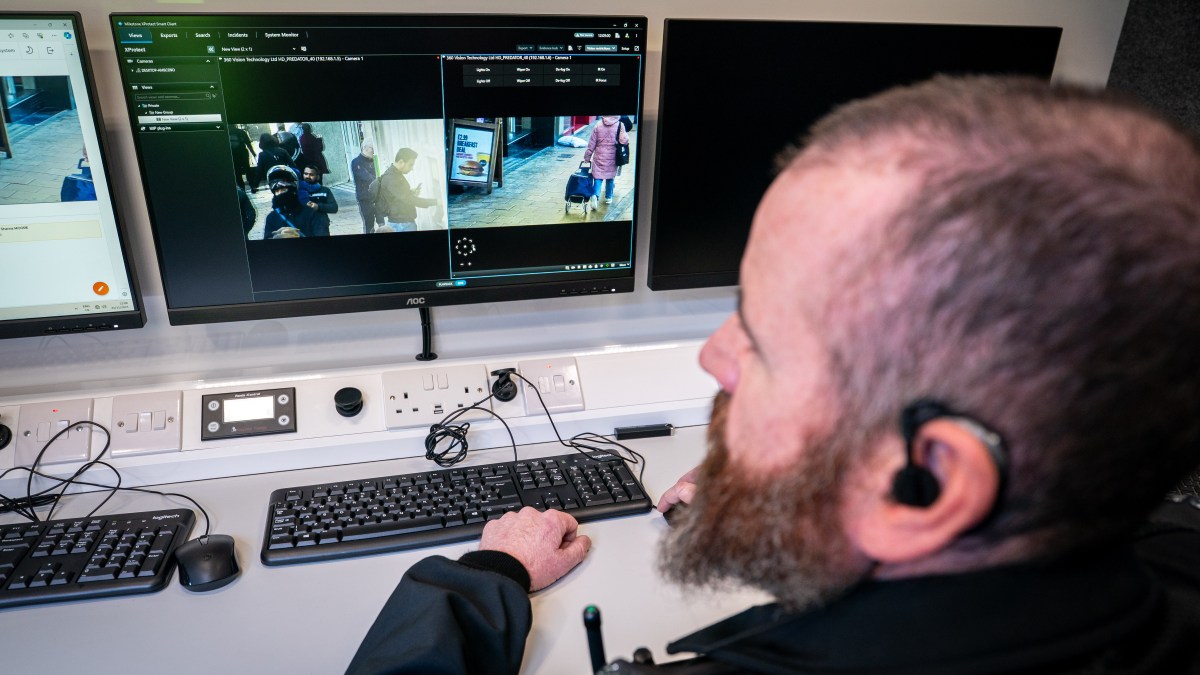
The increasing deployment of facial recognition technology across various sectors is prompting discussions about its implications for privacy and public safety. While this technology is proving effective in reducing crime and aiding law enforcement in identifying suspects, experts emphasize the need for comprehensive regulations to prevent potential overreach by the state.
Facial recognition systems are becoming integral for law enforcement agencies worldwide. In the United States, cities like San Francisco have implemented these technologies to enhance public safety, reporting a substantial drop in certain types of crime. According to a report from the National Institute of Justice, utilizing facial recognition can reduce crime rates by as much as 15% in urban areas. This has led many to advocate for broader adoption of the technology, arguing that it serves as a crucial tool in combating criminal activity.
Regulation is Essential to Protect Privacy
Despite the benefits, there are significant concerns regarding privacy rights. Human rights organizations have raised alarms about the potential for misuse and the erosion of civil liberties. The absence of strict regulations could enable unwarranted surveillance and profiling, which might disproportionately affect marginalized communities.
In response to these concerns, several countries are exploring frameworks to govern the use of facial recognition technology. In the European Union, the General Data Protection Regulation (GDPR) has set a precedent for data protection laws, requiring organizations that utilize such technology to ensure transparency and accountability. As of March 2024, the EU plans to introduce more stringent regulations specifically aimed at facial recognition, highlighting the importance of consent and data minimization.
Striking a Balance Between Safety and Rights
Experts urge that while enhancing public safety through technology is essential, it should not come at the cost of individual rights. A balanced approach involves active engagement from stakeholders, including the government, law enforcement, and civil society organizations. The implementation of clear guidelines on how and when facial recognition can be used is critical.
Furthermore, ongoing public dialogue about the implications of this technology is necessary. Engaging communities in discussions about privacy and security will help build trust and ensure that the technology serves the public interest without infringing on rights.
As the use of facial recognition technology continues to expand, the challenge remains to develop a regulatory framework that protects both public safety and individual privacy rights. A proactive approach can ensure that this powerful tool is used responsibly, paving the way for a safer society without compromising the fundamental principles of privacy.