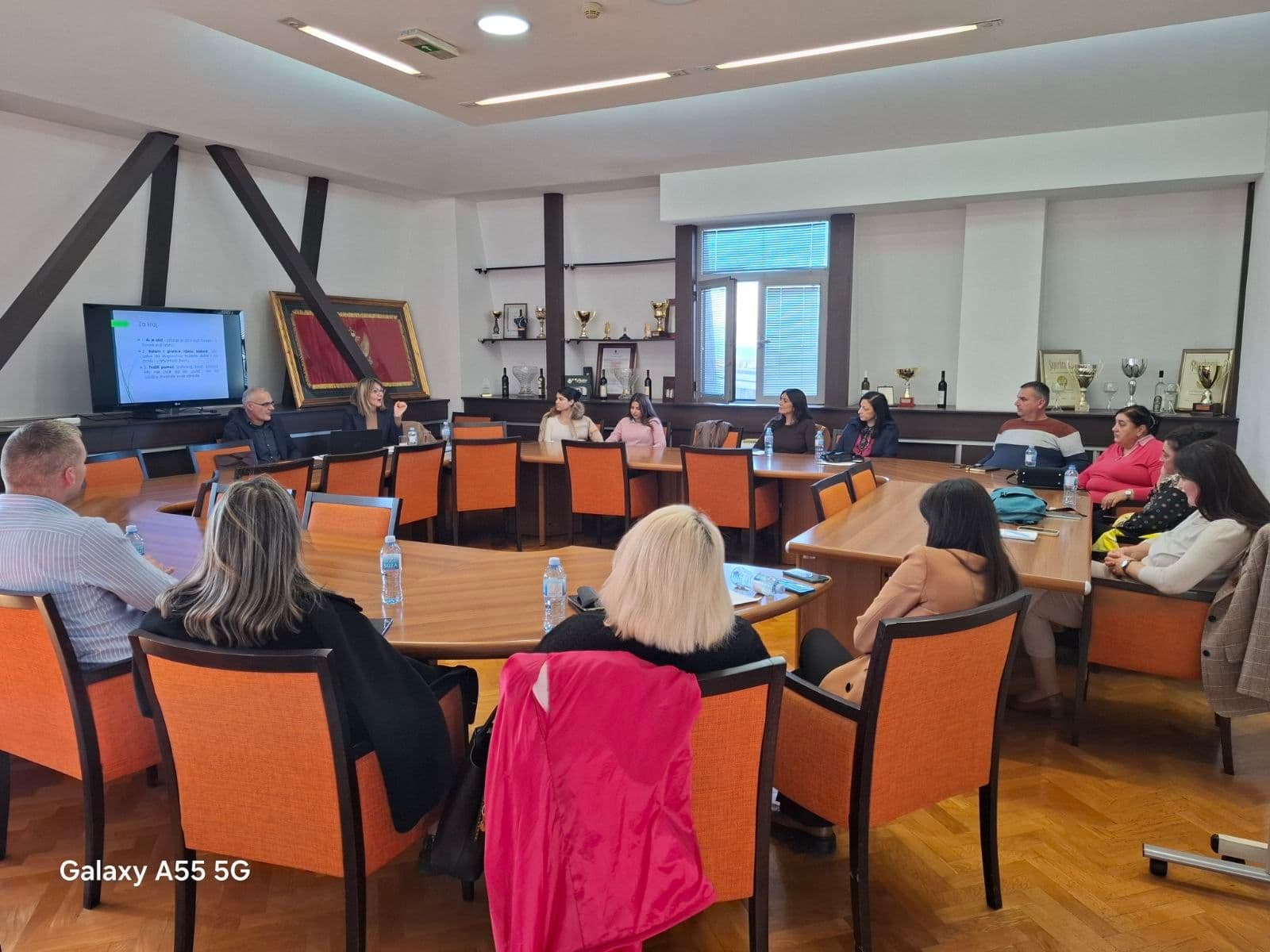
UPDATE: A groundbreaking workshop on the impact of Artificial Intelligence (AI) on workplace health was held today at Plantaze AD in Montenegro. This urgent event, part of the 2022-2027 Action Plan for improving occupational health and safety, aimed to tackle pressing issues such as mental health, chronic stress, and burnout syndrome that are increasingly prevalent in modern work environments.
Officials from the Ministry of Labor, Employment and Social Dialogue and the Trade Union of Montenegro (SSCG) jointly organized this workshop, marking the first in a series dedicated to modern challenges in occupational health. Attendees engaged in proactive discussions about the implications of AI and digital tools that blur the lines between work and personal life, raising urgent concerns about employee welfare.
Danka Cetkovic, a psychologist and HR consultant, emphasized the dual nature of AI in her presentation titled, “AI at Work: Ally or Threat to Health and Work-Life Balance?” She highlighted that while AI offers potential benefits, it also poses serious risks, particularly in relation to employee well-being.
The event underscored the necessity for robust social dialogue as a critical mechanism to mitigate the negative effects of algorithmic management.
“We must prioritize health and safety at work while preventing discrimination and ensuring privacy,”
said Vladimir Krsmanovic, coordinator from SSCG. He stressed the importance of establishing clear criteria for the collection and use of personal data to protect workers from excessive surveillance.
With mental well-being recognized as a crucial component of a healthy organization, the workshop highlighted that safeguarding mental health is not just an individual concern but a prerequisite for sustainable productivity and quality services.
As digital technologies continue to integrate into everyday work processes, the need for additional collective bargaining elements becomes more urgent. Participants were encouraged to voice their needs and concerns, fostering a two-way communication approach to better understand the implications of these modern workplace challenges.
Authorities confirmed that the outcomes of this workshop will inform future educational efforts and policy adjustments aimed at enhancing health and safety standards across Montenegro’s workforce. The next steps involve ongoing assessments and potential follow-up workshops to ensure that employees feel supported in managing the challenges posed by technological advancements.
Stay tuned for more updates as this important dialogue continues to evolve, impacting the future of work in Montenegro and beyond.