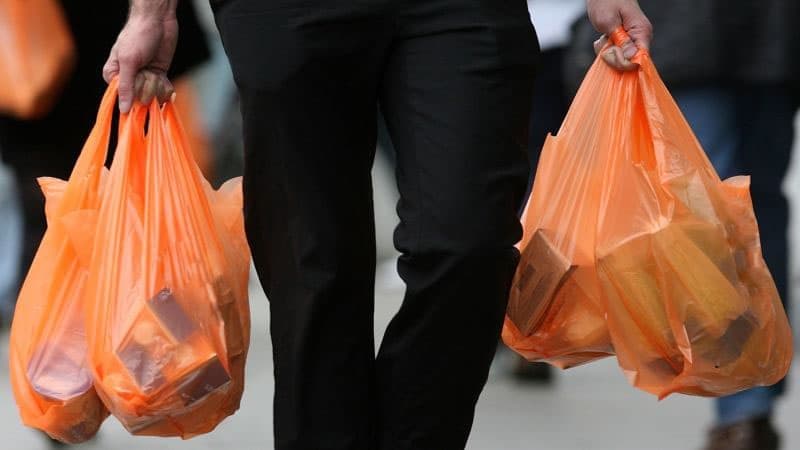
UPDATE: Despite the formal ban on plastic bags thicker than 15 to 50 microns in Montenegro, citizens continue to opt for plastic alternatives, raising urgent concerns about the effectiveness of the legislation. Nina Mihailović from the environmental organization NVO Green Home reports that while these bags have been removed from the market, their usage has merely shifted to other types of plastic.
Authorities confirm that so-called “single-use” bags have been replaced with thinner bags for fruits and vegetables, or thicker bags treated as reusable, which are now charged with an environmental fee. Mihailović states, “The intention of the law was clear: to encourage the use of thicker bags multiple times while reducing consumption through financial disincentives. However, it is questionable whether this measure has achieved real ecological benefits.”
The environmental fee has proven insufficient to deter most citizens from choosing plastic bags. Mihailović warns that this could result in an increase in plastic waste, as the new alternatives are often heavier and bulkier than the banned bags.
Recent data reveals a troubling trend. From the beginning of the ban in October 2024 until the end of February 2025, over 10 million plastic bags were sold, contributing an estimated 150 tons of plastic waste in just a few months. Mihailović emphasizes, “These figures reflect a lack of success for the law and highlight society’s readiness for change.”
The call for more rigorous measures is growing louder. Mihailović argues that only a complete ban on plastic bags will yield real results, stating, “As long as these bags are available, consumers will choose them over carrying reusable bags made of sustainable materials.”
As environmental campaigns continue in Montenegro, the need for effective change is urgent. Mihailović insists that altering social habits requires consistent action and strong initiatives to raise awareness. She highlights, “We can no longer rely solely on voluntary acceptance of environmental principles. Systematic legal enforcement is essential.”
Meanwhile, Vanja Cicmil from NVO Zero Waste Montenegro notes that while some citizens are adopting more sustainable practices, support systems must be in place. “People are willing to change their habits, particularly those informed about the issues. However, the shift cannot depend solely on individual goodwill,” she states.
The role of retailers is also critical. Cicmil points out that while larger chains comply with regulations, many smaller markets still distribute banned bags. “Stores must actively promote sustainable options, such as reusable bags, and ensure that alternatives are genuinely eco-friendly,” she urges.
Moving forward, the responsibility lies not just with individuals but also with government authorities. Mihailović stresses that effective environmental policies require a coordinated effort from all stakeholders, including ministries, inspection agencies, and businesses. “The state must lead the charge to implement these changes,” she concludes.
The urgency of this situation calls for immediate action and collective responsibility to address the plastic waste crisis in Montenegro. As the nation grapples with these challenges, the community’s commitment to sustainable practices remains more crucial than ever.