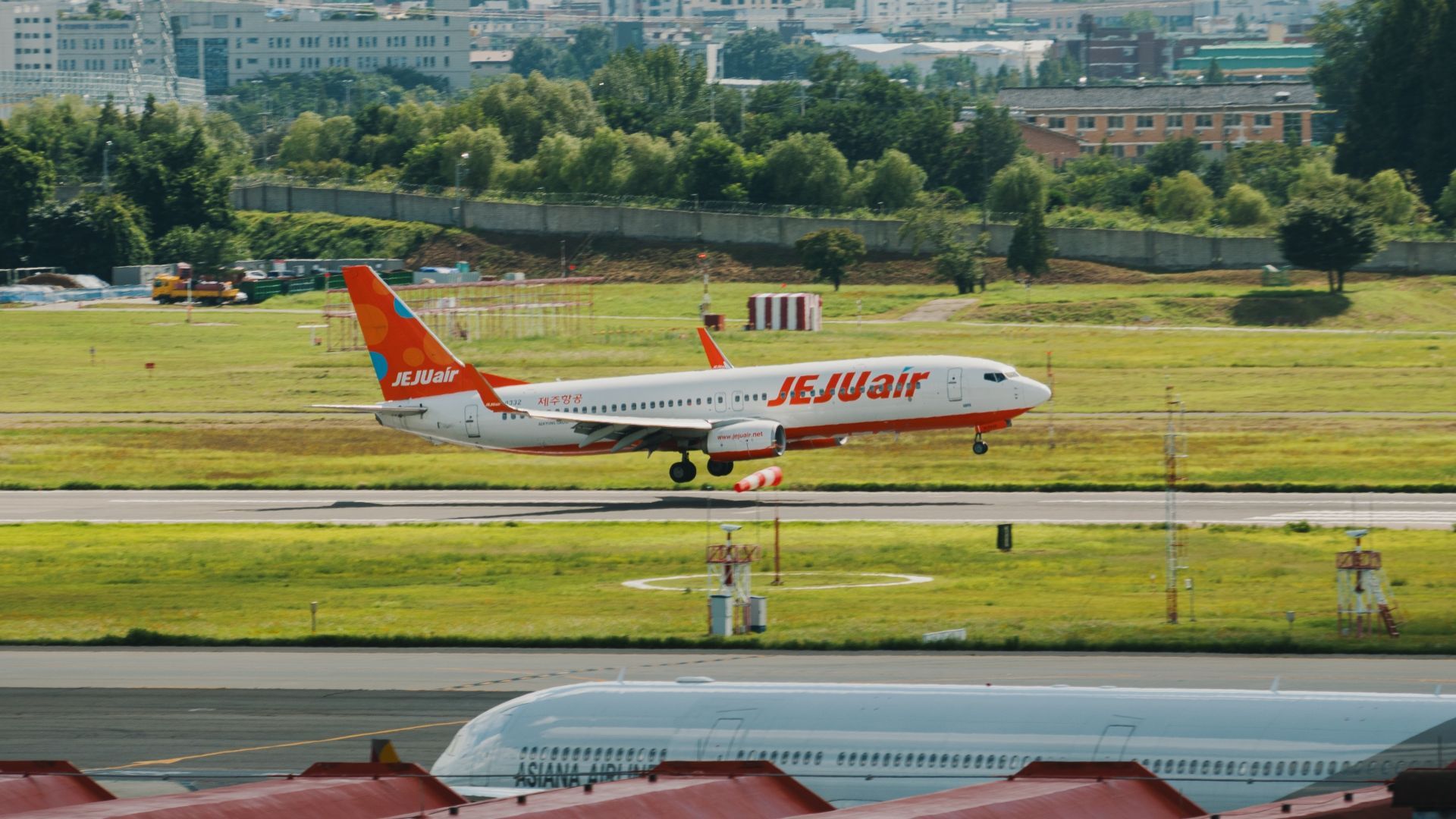
UPDATE: One year after the tragic crash of Jeju Air Flight 2216 at Muan International Airport on December 29, 2024, the investigation remains incomplete, leaving families of the 179 victims in anguish. As grief deepens, frustrations mount over the lack of transparency and progress from authorities.
New reports confirm that the Ministry of Transportation has acknowledged the emotional toll on victims’ families, stating its commitment to finalize the accident report. However, it has yet to provide a timeline for its release, leading to heightened calls for an independent investigation from the South Korean Parliament.
On the day of the accident, the aircrew declared an emergency due to a bird strike as they approached landing. Preliminary findings suggest that the crew mistakenly shut down the wrong engine, a claim disputed by both the families and the pilots’ union. Survivors of the tragedy are desperate for answers, as many believe critical evidence may be overlooked.
Earlier this month, Ryu Kum-ji, who lost both parents in the crash, expressed the collective frustration of the victims’ families. In a poignant display of solidarity, she shaved her head and stood with grieving relatives to demand accountability: “It feels like all kinds of doubts are just growing bigger and bigger. In the meantime, a year has gone by, and it feels like the frustration is only continuing to build,” she shared with reporters.
The investigation’s slow pace has sparked outrage among the public, especially given that international air safety regulations dictate that such inquiries should conclude within one year. Two anonymous officials from the investigation board confirmed to Asahi Shimbun that the report is not yet ready for public release, further igniting speculation of possible negligence.
The crash occurred when the aircraft, with its landing gear still retracted, collided with a concrete mound on the runway, resulting in a devastating fireball upon impact. Investigators found that the air traffic control tower had alerted the crew to wildlife activity just before the crash. However, the flight data and cockpit voice recordings abruptly end moments before the emergency declaration, raising suspicions about the full circumstances leading to the accident.
Recent findings from a parliamentary anti-corruption panel revealed that the concrete structure struck by Flight 2216 was not constructed according to international safety standards. This failure may have contributed to the catastrophic destruction of the aircraft upon impact. The panel noted that the structure should have been built to withstand such collisions better.
In an unexpected twist, the former head of the state-run Korea Airports Corporation was found dead in an apparent suicide shortly after the crash, raising further questions about oversight and accountability in South Korea’s aviation sector. Following the accident, the Ministry of Transportation identified at least seven airports requiring similar structural retrofits, including those at South Korea’s premier tourist destination, Jeju Island.
The tragedy of Flight 2216 has provoked a national discourse on aviation safety, with many advocating for immediate changes to prevent future disasters. Investigators have expressed intentions to extend the safety overrun area at Muan Airport, but until the comprehensive report is published, the families and the public remain in the dark about what could have been done differently to save lives.
As the investigation continues, families of the victims are left with a haunting reality: one year later, answers remain elusive. The urgency for clarity and justice is palpable, as the community rallies for transparency in the aftermath of South Korea’s deadliest plane crash.