UPDATE: The European Union negotiations have hit a major snag as France blocks the closure of key chapters, causing uncertainty for Montenegro’s integration process. As of today, it has been confirmed that only three out of five chapters will be closed at the Intergovernmental Conference in Brussels.
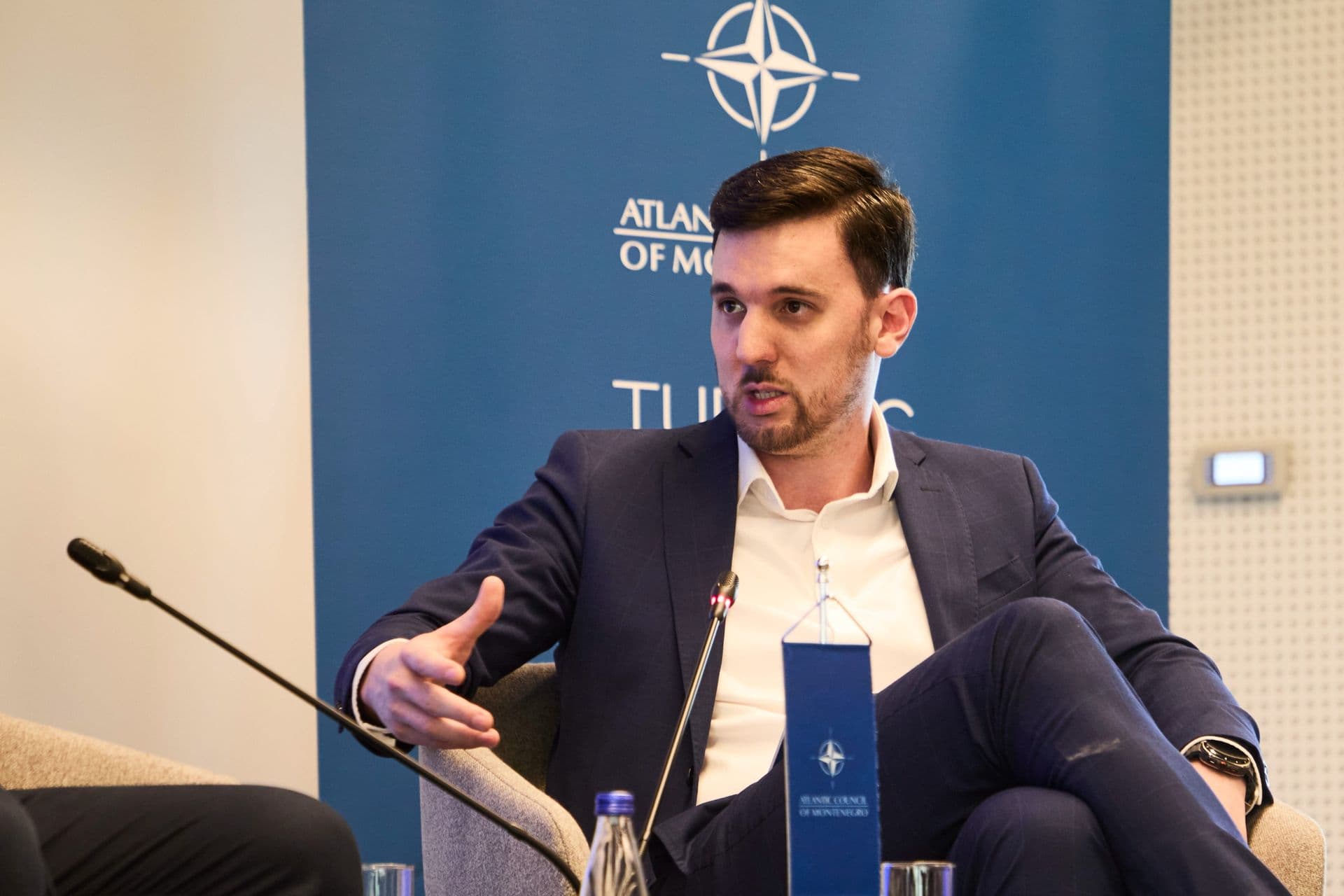
Political analyst Danilo Kalezić emphasizes the complexity of the situation, stating that resolving such intricate issues in 24 hours is unrealistic, comparing it to a scene from a cartoon. This development comes after a relatively smooth negotiation period abruptly ceased on October 20, 2023, when it was announced that only Chapter 3 (Right of Establishment and Freedom to Provide Services), Chapter 4 (Free Movement of Capital), and Chapter 6 (Right of Economic Entities) would be closed.
The blockade was triggered by France’s response during the EU Council’s COELA meeting, where it halted the closure of Chapter 11 (Agriculture and Rural Development) and Chapter 13 (Fisheries). This action serves as a message related to ongoing issues within Montenegro’s agricultural sector, which have drawn criticism from French officials.
French Minister of Agriculture has voiced concerns regarding the lack of implementation of recommendations from previous years, citing poor communication with Montenegro’s Ministry of Agriculture. Despite these claims, Minister Vladimir Joković insisted that his ministry received positive feedback from France and other EU member states, denying any wrongdoing.
“The stories being circulated that our actions led to France’s vote against us are untrue. We have achieved great results,” Joković stated.
Prime Minister Milojko Spajić and his team worked intensively to engage with French President Emmanuel Macron to resolve the blockade, leading to the announcement that all five chapters could potentially be closed. However, Kalezić warns that the government’s approach may merely simulate reform without making substantive progress.
“This government has mastered the technique of simulating reforms. They may appear solid at a technical level, but when it’s time to make meaningful advances, they fall short,” Kalezić commented.
As these negotiations unfold, the broader implications for Montenegro’s EU accession process remain critical. Montenegro has been a candidate since December 2010 and opened negotiations in June 2012, having completed all 33 negotiating chapters. Today’s conference could mark a pivotal moment as the nation seeks to finalize its accession agreement.
The situation reflects a complex web of diplomatic relations, not only between Montenegro and France but also in the context of broader regional dynamics involving Serbia. Kalezić argues that attributing the power to block negotiations to Serbian President Alexander Vučić oversimplifies the intricacies of Montenegro’s international relations.
As the day progresses, all eyes will be on the outcomes of the Intergovernmental Conference in Brussels. The resolutions made today will significantly impact Montenegro’s European integration efforts and its diplomatic standing within the EU framework. Stakeholders are advised to stay informed as developments continue to unfold.