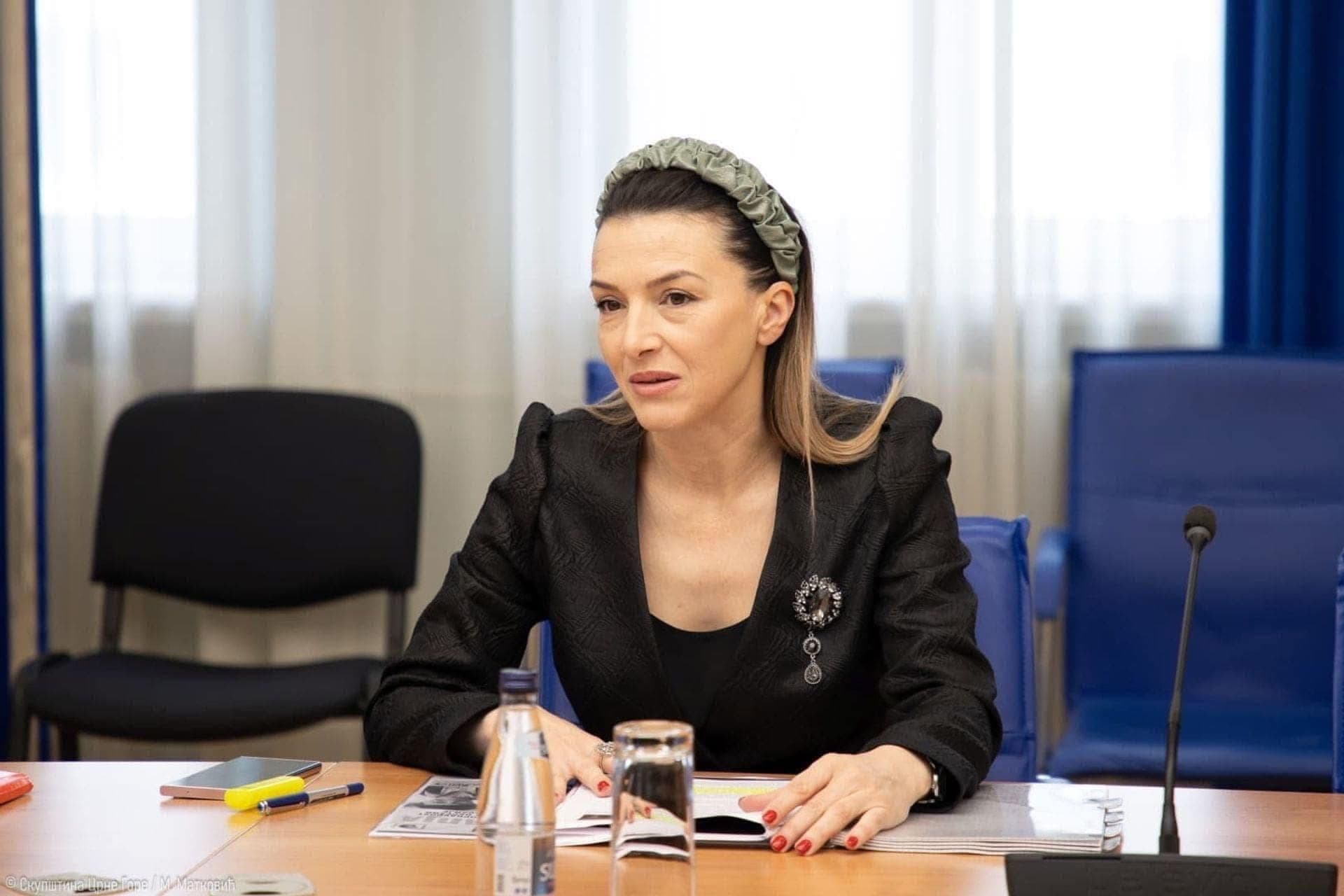
UPDATE: Kenana Strujić Harbić, a representative of the Bosniak Party, has just revealed a pressing concern about the lack of communication between Bosniaks in Montenegro and their mother state, Bosnia and Herzegovina (BiH). Speaking at the urgent gathering titled “Geopolitical Changes and the Position of Bosniaks in the Western Balkans” held in Sarajevo, she emphasized that Bosniaks are isolated and lack even monthly communication with BiH.
The alarming statement underscores a critical disparity. While Serbs in Montenegro have Serbia, Albanians are connected to two states, and Croats enjoy a robust communication network, Bosniaks find themselves “left alone.” This lack of dialogue poses significant challenges for the Bosniak community in Montenegro, as outlined by Strujić Harbić.
She expressed hope that the upcoming elections in BiH will bring about essential changes. “We are a small party in Montenegro that has contributed to changing the narrative towards Bosniaks. I hope that Bosnia and Herzegovina, which Bosniaks view as their mother state, will respond positively to our needs,” she stated during her remarks to the media in Sarajevo, as reported by Analitika.
The urgency of this situation cannot be overstated. The Bosniak community is at a crossroads, and the upcoming elections could be pivotal in reshaping their position and influence. Strujić Harbić’s comments raise critical questions about the future of Bosniaks in Montenegro and their relationship with BiH, a matter that could affect thousands.
As the political landscape evolves, all eyes will be on the developments leading up to the elections in BiH. The community is eager for change and greater representation, and the call for improved communication could resonate beyond Montenegro, impacting regional dynamics within the Western Balkans.
Stay tuned for more updates on this developing story as we monitor how these political shifts will unfold. The implications of these discussions could reshape the dialogue surrounding Bosniaks in Montenegro and their ties with BiH, making it a crucial topic for regional stakeholders.