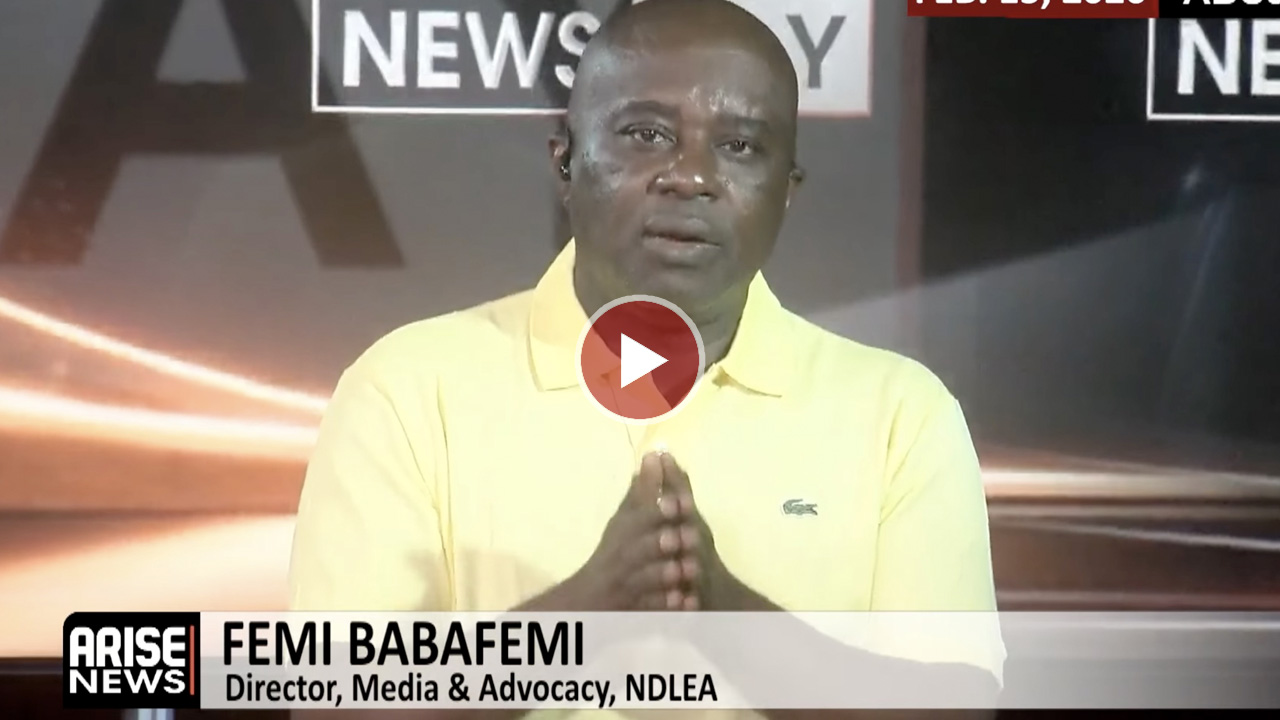
URGENT UPDATE: Nigeria’s escalating drug abuse crisis demands immediate and coordinated action from all sectors of society, according to the Director of Media and Advocacy at the National Drug Law Enforcement Agency (NDLEA), Femi Babafemi. Speaking on October 15, 2023, Babafemi highlighted the dire need for federal, state, and community engagement in combating substance abuse, following a shocking incident in Lagos Island where a decomposing body of a young man was recovered from the Opalindi underbridge canal, suspected to be linked to drug use.
Babafemi’s remarks resonate with the alarming findings of the 2018 Drug Use Survey Report and the recent 2025 World Drug Report from the United Nations Office on Drugs and Crime, which reveals Nigeria’s drug use rate at an astonishing 14.4%, nearly three times the global average. “Denying we have a problem will only worsen the situation,” he stated, emphasizing the urgency of collective action.
The death of the young man, whose identity has not been disclosed, underscores the tragic consequences of unchecked substance abuse. “One of the consequences is likely death, which was very unfortunate in this case,” Babafemi noted, urging stakeholders to recognize the human toll of the crisis.
To address this crisis, Babafemi outlined the NDLEA’s dual approach focusing on both drug demand and supply reduction. The agency’s War Against Drug Abuse initiative aims to raise awareness through outreach in schools, markets, and local communities, working closely with faith-based organizations and civil society. “We are mobilizing everybody. The approach is a whole-of-society approach,” he affirmed.
Currently, there are 30 treatment and counselling centres across Nigeria, with plans to add another seven this budget year to support those seeking help. Babafemi praised the Lagos State Government for its proactive measures, including drug integrity tests for commercial drivers, stating, “That was an awesome initiative by the state.”
The NDLEA’s strategy emphasizes rehabilitation as a critical component. Babafemi argued that awareness and deterrence are immediate gains, citing that the knowledge of potential drug testing among drivers serves as a significant deterrent to substance use before operating vehicles.
He concluded with a strong message: sustained collaboration across all levels of government and society is essential to reversing Nigeria’s troubling drug abuse trends. “We cannot rest on our oars. Everybody has a role to play if we are to cut down the demand for illicit substances, especially among our young people,” he urged.
As the situation develops, the NDLEA continues to call for urgent action and involvement from all citizens to combat this growing crisis. Stay tuned for further updates as Nigeria confronts this pressing public health challenge.