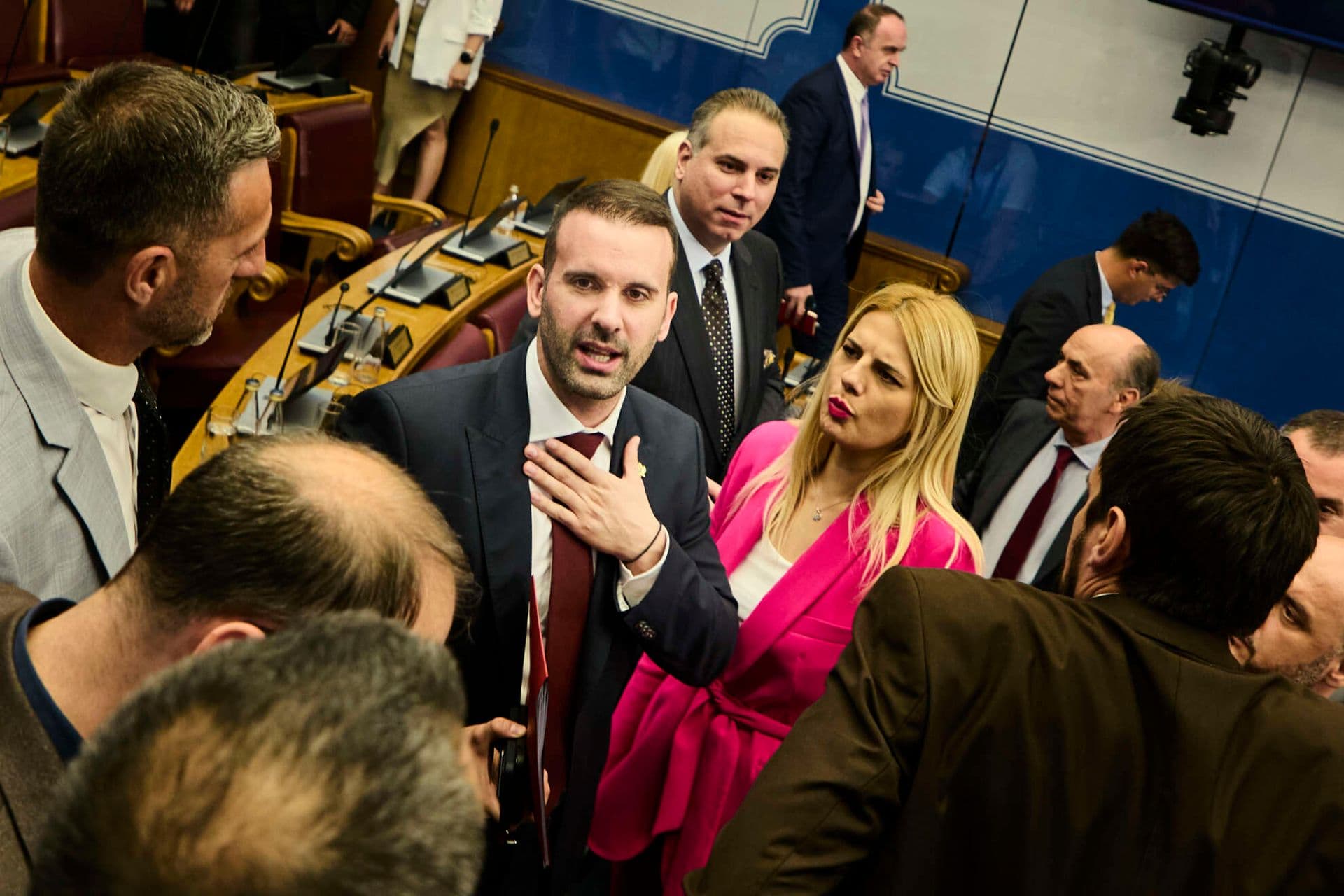
UPDATE: Montenegro’s political landscape is undergoing a dramatic shift as the ruling party, PES (Pokret Evropa sad), aligns itself with more pronounced national and religious identities. This development raises urgent concerns about potential societal divisions among citizens.
As of December 2024, Prime Minister Milojko Spajić has called for unity within the government around his Barometar 26 platform aimed at accelerating Montenegro’s entry into the European Union. However, the year has revealed deepening fractures within the ruling coalition, indicating a shift away from pro-European ideals toward populist and nationalistic agendas.
Political analysts warn that the current trajectory could exacerbate existing tensions within the already polarized electorate. The rise of leaders like Andrija Mandić, head of the New Serbian Democracy party, emphasizes this shift. His recent engagements with key European and U.S. institutions signal a strategic pivot toward right-wing populism, raising alarms about the implications for Montenegro’s secular and civic identity.
In an alarming public statement, Mandić highlighted Montenegro’s future as rooted in “Christian morals,” a declaration that contradicts the nation’s constitutional identity as a secular state. This rhetoric, combined with PES’s recent membership in the Centrist Democratic International—which includes right-leaning parties from across Europe—suggests a further embrace of conservative values at the expense of Montenegro’s diverse sociocultural fabric.
Analyst Nikoleta Đukanović underscores the potential risks, stating, “While Montenegro has not completely lost its civic character, the political arena is shifting towards more pronounced identity narratives.” She cautions that the emphasis on religious identity during international engagements is troubling and could deepen societal divides.
Meanwhile, Neira Šabanović, a doctoral candidate at the Free University of Brussels, notes that PES’s alignment with the CDI comes with expectations to adopt the values of right-wing politics. “This membership could lead PES to adopt a more conservative tone, which may not weaken its coalition potential but could distance it from its previous ideological stance,” she warns.
As December 2024 approaches, the political climate continues to evolve rapidly. With local elections on the horizon, the dynamics of power within Montenegro are shifting. Analysts predict that the ruling coalition will face increasing pressure to reconcile its populist strategies with the expectations of a diverse electorate eager for stability and unity.
The implications of these developments are significant. As PES navigates its identity amidst a backdrop of rising nationalism, the prospects for Montenegro’s integration into the EU remain uncertain. The focus on identity politics could hinder progress, leading to further polarization in an already fragmented society.
NEXT STEPS: Observers will be closely monitoring how these political maneuvers affect the upcoming elections and whether the push for a unified civic identity can withstand the pressures of emerging nationalistic sentiments. The future of Montenegro’s political landscape hangs in the balance as leaders grapple with the challenges of unity versus division in a critical time for the nation.
This evolving story continues to develop, and further updates will be provided as the situation unfolds. Share this urgent news to keep others informed about the critical changes in Montenegro’s political scene.