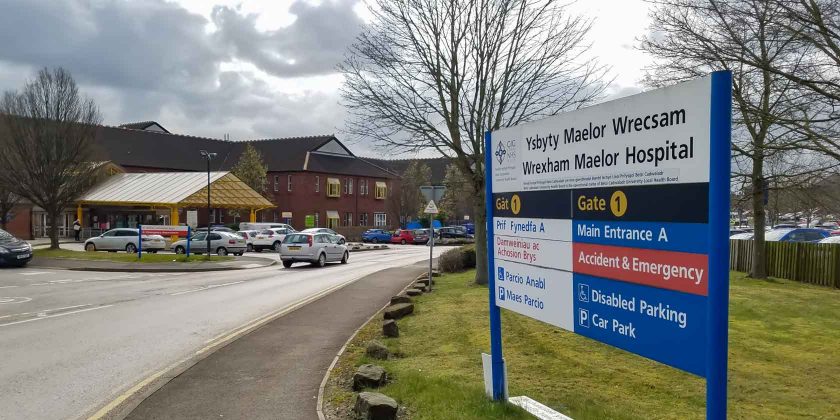
UPDATE: The Royal College of Nursing (RCN) has just revealed alarming figures indicating a critical shortage of nurses in North Wales, with a staggering 1,481 registered nurse vacancies across NHS Wales. Notably, the Betsi Cadwaladr University Health Board is struggling the most, reporting 451.5 unfilled posts, which constitutes nearly a third of the total vacancies.
This urgent report, part of the RCN’s annual Nursing in Numbers 2025, underscores the escalating pressure on the healthcare workforce. With healthcare costs soaring and patient care suffering, the situation is rapidly becoming untenable.
Data obtained through Freedom of Information requests reveals that despite the severe shortage, some health boards have implemented vacancy freezes, leaving even newly qualified nurses without full-time positions. As a result, NHS Wales is increasingly dependent on costly temporary agency staff, spending an eye-watering £88.7 million in the 2024–25 fiscal year. This amount could instead fund 2,815 full-time newly registered nurses.
Helen Whyley, Executive Director of RCN Wales, stated, “These figures are a stark warning that our nursing workforce is still under intolerable strain and still not getting the respect it deserves.” She emphasized that the current situation is unsustainable, leading to unsafe patient care conditions.
“Patients in Wales deserve safe, consistent care. Our brilliant nursing workforce deserves fair pay, safe staffing levels, and protection from abuse,” Whyley added.
The report also highlights ongoing discrimination faced by nurses from minority backgrounds, calling for more decisive action under the Welsh Government’s Anti-Racist Wales Action Plan. Shockingly, 88.4% of nursing staff in Wales report working additional hours at least once a week, with over half clocking in three or more extra hours. Alarmingly, nearly 40% are working unpaid overtime, and 38% are contemplating leaving the profession altogether.
In light of these findings, the RCN has set forth 13 urgent recommendations aimed at addressing this crisis. These include protecting the registered nurse role, improving workforce data, halting hospital bed cuts, and ensuring fair pay and career progression for nurses. Additionally, the RCN advocates for increased investment in social care staff and more nursing student placements with enhanced support.
Whyley stressed the importance of immediate action, urging the Welsh Government and NHS Wales to adopt the recommendations laid out in the report to preserve nursing staff and restore public confidence in healthcare services.
The RCN remains committed to collaborating with the government, health boards, and educational institutions to devise practical solutions that can effectively fill these vacancies, lessen reliance on agency staff, and promote equity in the workplace.
This urgent situation in North Wales not only affects healthcare workers but also poses a significant risk to patient safety and care quality. With healthcare systems already strained, immediate attention and action are crucial to avert a worsening crisis.