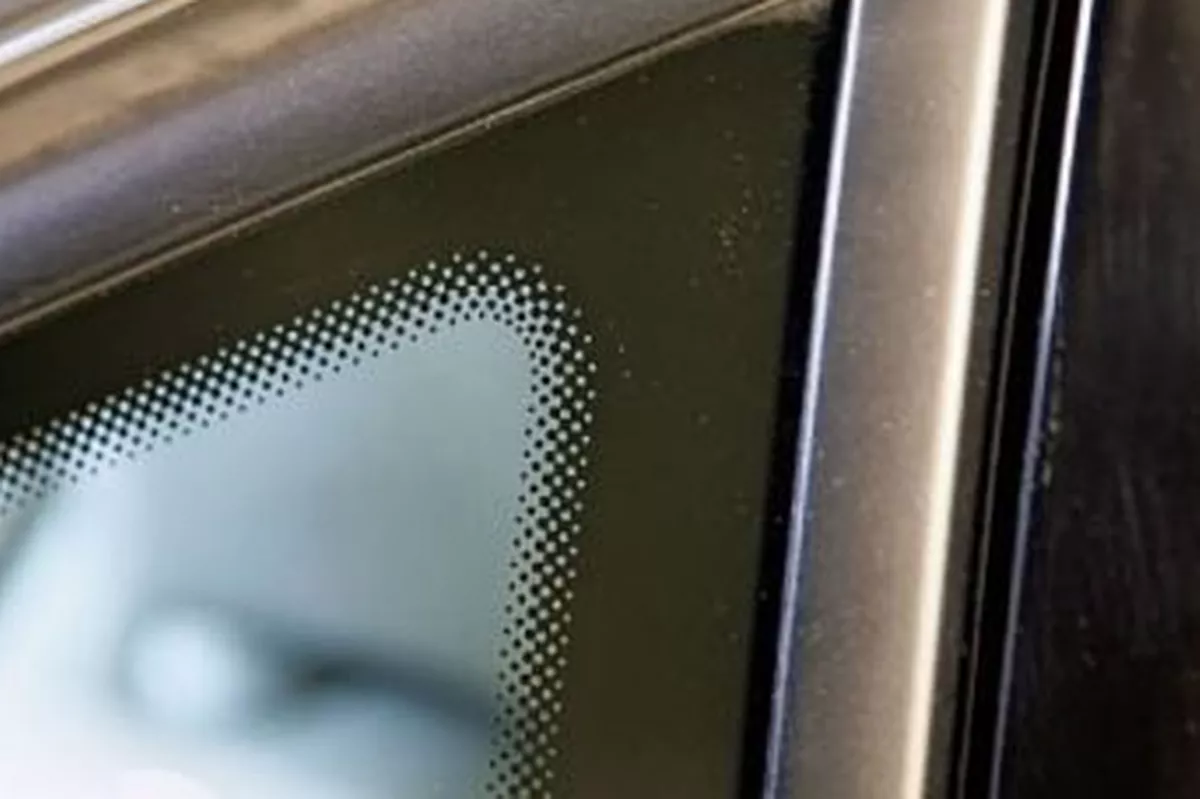
UPDATE: Drivers across the UK are learning about the crucial function of the black dots on their car windscreens, sparking widespread interest and surprise. These small black dots, known as “frit,” are not just for aesthetics; they serve a vital role in vehicle safety and performance.
The revelation comes as authorities and automotive experts confirm that these dots, typically found on the outer edges of front windshields, help control temperature and stabilize the glass. Autoglaze experts state that the black enamel protects the urethane sealant from damaging ultraviolet rays, preventing cracks and deterioration.
Drivers may be shocked to find that these dots help ensure that the glass remains firmly in place, especially during challenging winter conditions. The dots facilitate even heat distribution, significantly reducing optical distortion—a phenomenon that can make straight lines appear curved.
According to Autoglaze, “The black dots, or dot matrix, actually help distribute temperature evenly to lessen optical distortion.” This is especially important when the solid black frit band heats up faster than the glass itself, which can impair visibility.
In addition to their functional attributes, the black dots enhance the visual transition between the solid black line and clear glass, providing a more polished look. This halftone pattern is designed to be easier on the eyes, adding an aesthetic value to their practical purpose.
What’s more, these black dots ensure a stronger bond between the glass and car frame. They create rougher “etches” on the surface, allowing adhesives to grip better and maintain the integrity of the windscreen.
For drivers, understanding the significance of these features could be a game-changer, particularly as winter approaches. The dots not only help maintain visibility during inclement weather but also ensure the longevity and safety of the vehicle’s windscreen.
With many motorists now recognizing the multifaceted benefits of these black dots, the conversation around vehicle safety and design is heating up. As this knowledge spreads, expect more discussions on how everyday car features contribute to a safer driving experience.
Stay tuned for further updates on this developing story, as more insights from experts and manufacturers may emerge in the coming days.