UPDATE: New reports reveal that several Toyota models are falling behind in power performance, raising concerns among drivers. As of October 2023, five specific vehicles are highlighted for their underwhelming engine capabilities, contrasting sharply with the automaker’s reputation for reliability and innovation.
Toyota has long been known for its impressive engineering, but recent evaluations show that some models struggle with power. The latest data indicates that many drivers are facing sluggish acceleration and lackluster performance in their vehicles, prompting a reevaluation of the brand’s offerings.
Among the most notable offenders is the 2025 Toyota Tacoma, which previously featured a 159 horsepower 2.7-liter four-cylinder engine. While the latest model has improved to 228 horsepower, the previous generation’s sluggishness, with 0-60 times over 11 seconds, left many drivers dissatisfied. The Tacoma’s V6 option, generating 278 horsepower, offered a better experience but still lagged behind competitors.
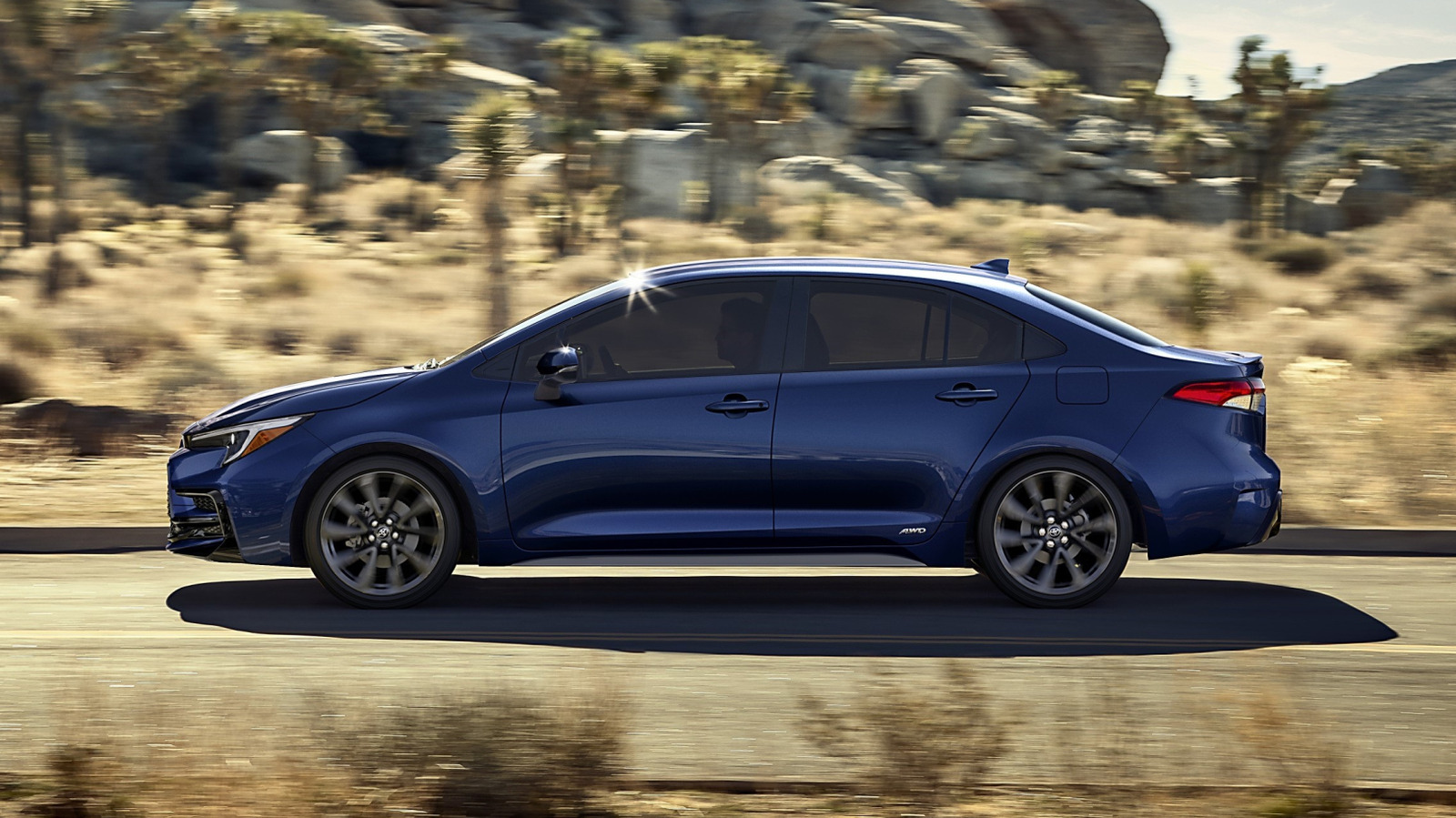
Similarly, the 2020 Toyota Corolla debuted with a 139-horsepower 1.8-liter engine that was criticized for being “loud and underpowered.” Motor Trend reported 0-60 times exceeding ten seconds, making it less competitive in the compact sedan segment. Thankfully, a power upgrade in 2023 replaced the outdated engine with a more robust 2.0-liter option, revitalizing the Corolla lineup.
The Prius c, introduced to capitalize on the Prius’s popularity, was another model that consumers found lacking. Its 99 horsepower hybrid engine resulted in a painfully slow performance, with 0-60 times over 11 seconds. The Prius c was discontinued in 2019, reflecting Toyota’s shift toward more powerful alternatives.
The second-generation Tundra, launched in 2007, initially offered a 4.0-liter V6 producing just 236 horsepower. This was deemed insufficient for a full-sized pickup, leading to its eventual removal from the lineup. The current generation Tundra now features a modern twin-turbocharged V6, significantly boosting performance to 358 horsepower.
Lastly, the 2025 Corolla Hybrid is currently labeled as one of the slowest new cars available, with a combined output of just 138 horsepower. Acceleration tests reveal a lackluster 0-60 time ranging from nine to ten seconds, far behind competitors like Honda’s Civic Hybrid, which boasts 200 horsepower. However, expectations are high for the next-generation Corolla Hybrid, with potential upgrades in power on the horizon.
As consumers prioritize performance alongside reliability, these underpowered models highlight a critical area for improvement at Toyota. With the automotive landscape evolving rapidly, it remains to be seen how Toyota will respond to these challenges. The upcoming years may bring significant changes to these underperforming engines, aiming to meet the demands of today’s drivers.
Stay tuned for ongoing updates as Toyota addresses these performance issues and enhances its engine offerings across the board.