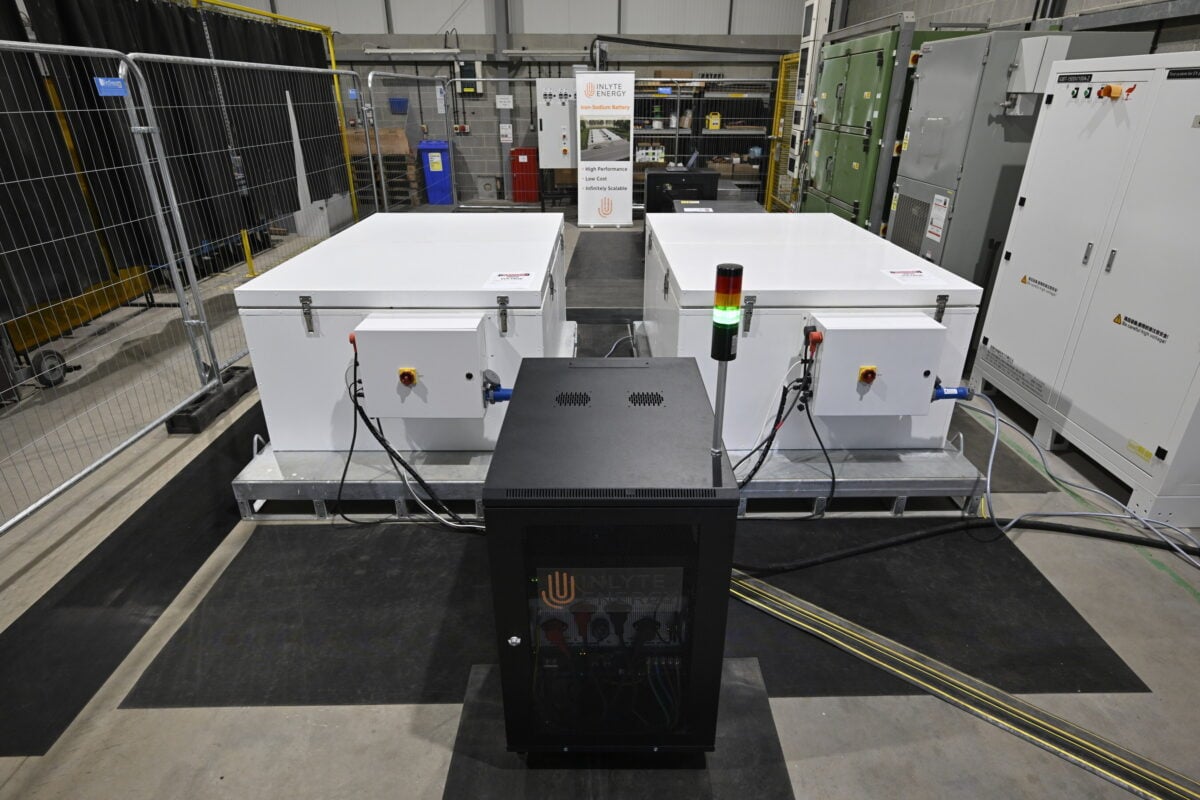
In a significant development for energy storage technology, Swiss data centre operator NTS Colocation AG has partnered with US-based Inlyte Energy to deploy innovative iron-sodium battery systems. The collaboration aims to install 2 MW of iron-sodium battery capacity by 2028, starting with a pilot project at NTS’s data centre in Bern, Switzerland. This initial phase will feature a 600 kWh system, which is expected to be operational by the end of this year.
The partnership represents a strategic move for both companies. NTS Colocation manages high-performance colocation facilities in Zurich and Bern, focusing on sustainability through the use of renewable energy sources and waste heat recovery systems. The pilot installation in Bern will serve as a technical and operational validation of the iron-sodium technology within a live data centre environment. The successful validation of this system by the end of 2026 could pave the way for broader implementation throughout NTS’s facilities, solidifying iron-sodium storage as a key element of the company’s long-term energy strategy.
Inlyte Energy emphasizes that traditional lithium-ion battery energy storage systems face several challenges, including fire safety risks, complex permitting requirements for indoor installations, and issues with degradation that affect long-term infrastructure. Diesel generators, which are commonly used for backup power, also present disadvantages, including noise pollution, local air contamination, and maintenance burdens.
In contrast, Inlyte’s iron-sodium battery technology promises to address these issues effectively. The company describes its offering as a distinct 3-in-1 solution that provides efficient daily load levelling, low-cost flexible backup power for more than 24 hours, and high-performance uninterruptible power supply (UPS) capabilities. The technology aims to eliminate fire risks associated with traditional battery systems while offering long-duration energy storage (LDES) that can help facilities manage demand and enhance operational stability.
The logistics of energy storage in Switzerland also present challenges, including high grid fees, limited land availability, and stringent permitting requirements. Recent updates to the EU Energy Efficiency Directive require data centres to report fossil fuel consumption, including diesel used in backup generators. Although diesel is not banned, these regulations are prompting operators to explore cleaner, more efficient alternatives to meet sustainability goals.
Inlyte’s advancements in battery technology come at a time when the US Department of Energy is investing in innovative energy storage solutions. In June 2025, the Department announced funding of up to $15 million for three storage technologies, including Inlyte’s iron-sodium system, aimed at enhancing energy resilience at the Alliance Redwoods site in Occidental, California.
The company is also preparing to launch the B-Vault FlexGrid programme in December 2025, targeting commercial and industrial customers. This system, which has a storage capacity of 1 MWh, will be co-located with a pre-existing 50 kW solar photovoltaic installation and will operate in island mode to power electric vehicle charging stations.
Overall, the collaboration between NTS Colocation and Inlyte Energy marks a progressive step toward integrating innovative battery technology into data centre operations, potentially transforming how these facilities manage energy consumption and backup systems in a more sustainable manner.