The landscape of air travel is evolving as airlines increasingly enhance their offerings in the premium economy class. By 2026, this cabin category is expected to expand significantly across global carriers, catering to travelers seeking a balance between comfort and cost. Premium economy has become a popular choice, particularly on long-haul international routes, as it provides more amenities than standard economy without the hefty price tag of business class.
Over the past two decades, the traditional cabin classifications of economy, business, and first class have transformed. Airlines have introduced more refined options, including premium economy, which serves as a bridge between standard economy and business class. This shift reflects a growing demand among travelers for an elevated experience that remains financially accessible.
A Brief History of Premium Economy
While premium economy may seem like a recent innovation, its roots trace back over 30 years. Initially, airlines operated with only two cabin categories: first class and economy. However, as travel preferences evolved, airlines recognized the need for a middle ground that offered more comfort without the elevated costs associated with first class.
The concept gained traction in the late 1970s with the introduction of business class. This new tier demonstrated a clear market demand for enhanced travel options. The first real premium economy class made its debut in 1991 when EVA Air launched its “Evergreen Class” on the Boeing 747-400, featuring wider seats and extra legroom. Other airlines quickly followed suit, refining the product into what we now recognize as premium economy.
Understanding the Premium Economy Experience
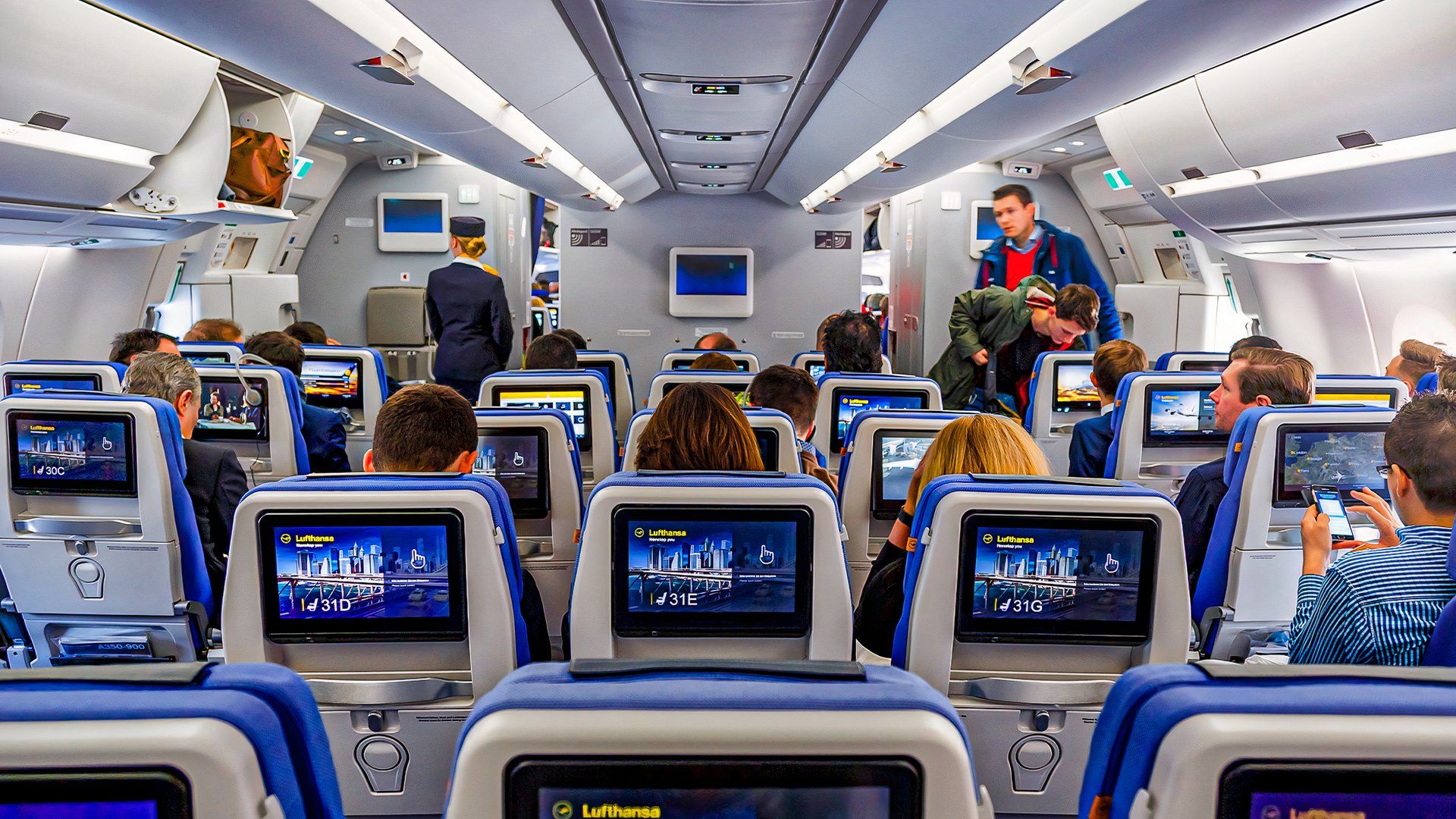
The primary distinction between premium economy and standard economy lies in their positioning aboard the aircraft. Premium economy seats are typically located between business class and the main economy section, creating a quieter and more exclusive environment. In contrast, standard economy often occupies the majority of the aircraft, accommodating hundreds of passengers on large widebody models like the Airbus A380 and Boeing 777.
Although premium economy tickets generally cost around 85% more than standard economy fares, this price can fluctuate based on booking timing and availability. Passengers may find themselves paying 1.5 to 2 times the standard price, with a typical premium economy fare on a long-haul flight costing approximately $1,500 compared to the $900 standard economy ticket. This pricing structure positions premium economy as a viable alternative for those seeking comfort without the steep expense of business class.
Feedback from travelers highlights the divided opinions on the value of premium economy. A recent TikTok video comparing the two classes prompted varied reactions, with some praising the product for its enhanced features while others criticized the price differential. The debate underscores that the worth of premium economy often depends on the airline, ticket price, and flight duration.
Premium economy seats also boast significant enhancements in comfort. Standard economy provides a seat pitch of 30 to 32 inches, while premium economy typically offers 35 to 40 inches. This additional legroom allows passengers to stretch out and adjust their seating position comfortably during long flights. For instance, on the Emirates Airbus A380, premium economy seats are wider, measuring 19.5 inches compared to 17.9 inches in standard economy, and offer increased recline capabilities.
Beyond physical comfort, premium economy often includes superior dining options and amenities. Passengers experience an upgraded service level, with meals served on real tableware and enhanced beverage selections, including complimentary alcoholic drinks. Many airlines also provide additional comforts such as amenity kits, larger pillows, and priority boarding.
Airlines are recognizing the profitability of premium economy, leading to increased investment in this cabin class. Carriers like Delta Air Lines and Emirates are retrofitting their aircraft to include premium economy sections, even if such configurations were not part of the original design. This shift is not merely about increasing passenger numbers but is also a strategic move to cater to diverse traveler preferences.
As the industry adapts to changing passenger behavior, it is clear that the demand for premium economy will continue to grow. This category embodies a “third space” in air travel, appealing to those who desire more than basic economy but are not ready to commit to business class. With airlines focused on providing quality options for a range of budgets, the future of premium economy looks promising, ensuring that travelers can enjoy a more comfortable flying experience well into 2026 and beyond.