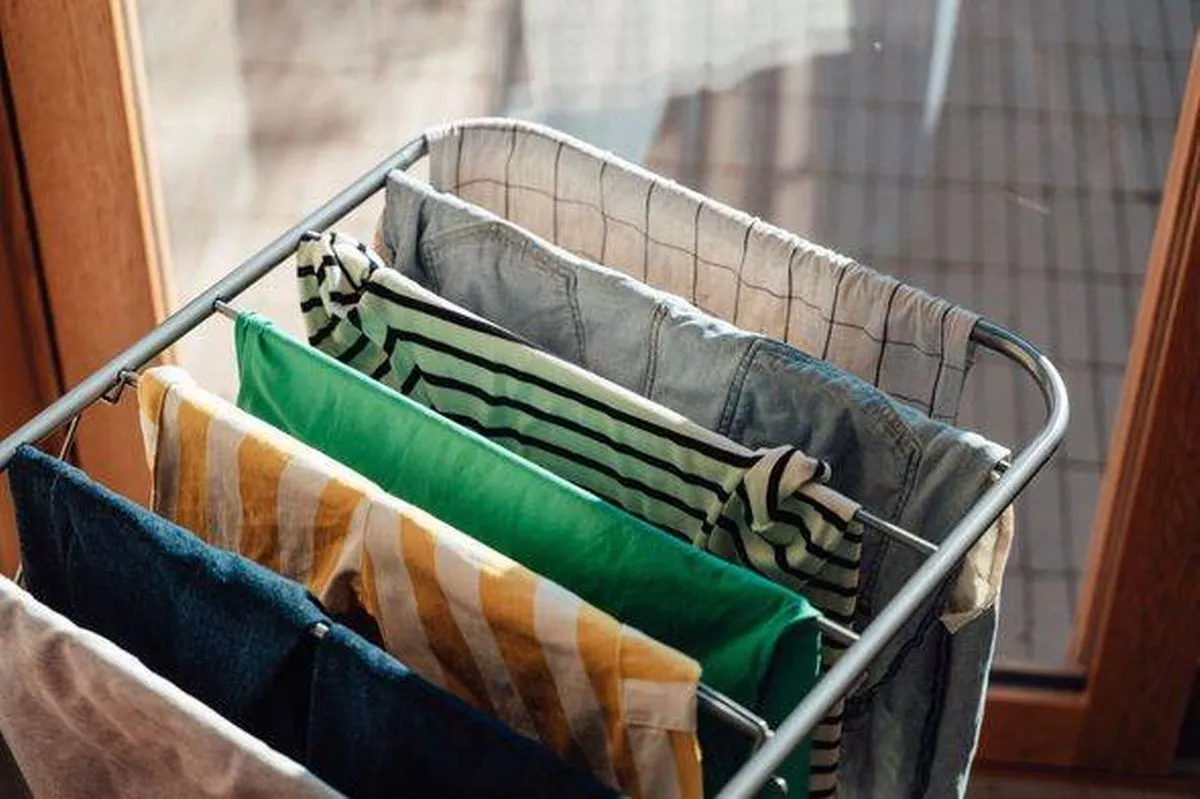
URGENT UPDATE: In a recent test, only one indoor drying method effectively eliminated musty odors from clothes, according to findings released by Sophie Law, Deputy Editor of Spare Time. The study highlights essential insights for those struggling with damp indoor environments, especially as winter continues to impact drying times.
With energy costs rising and outdoor drying options limited, many are seeking effective ways to dry clothes indoors. Law tested five popular methods: a tumble dryer, a dehumidifier, a heated airer, a clothes horse, and a bathroom extractor fan. The results are surprising and critical for anyone wanting fresh-smelling garments.
January 12, 2026, marks a pivotal moment for indoor laundry solutions. The findings reveal significant differences in effectiveness among the methods tested.
Each method was evaluated based on drying time, freshness, cost, and added humidity in the room. Here’s the breakdown:
1. Tumble Dryer: 9/10
The clear winner, the tumble dryer, completely eradicated musty odors. Clothes were dry, warm, and ready to wear the same day. This is especially beneficial for large families needing to wash frequently. The Hotpoint Condenser model used in the test effectively handled bulky items like bed sheets and hoodies. However, it comes with a higher operating cost, making it less accessible for some households.
2. Dehumidifier: 7/10
Touted as a cost-effective alternative to tumble dryers, the dehumidifier was the second-best option. While it dried clothes faster than traditional methods, it still required one to two days for complete drying, allowing musty smells to develop, especially on thicker fabrics. A high-quality model, like the Meaco priced at £159.99, is essential for optimal performance.
3. Heated Airer: 4/10
The heated airer, initially appearing as a practical solution, underperformed. While it dried clothes somewhat faster than a standard clothes horse, it only worked effectively on items in direct contact with the heated rails. The Minky Wing 12m Heated Clothes Airer, priced at £60, failed to deliver consistent results, leaving many garments damp and musty.
4. Standard Clothes Horse: 3/10
The basic clothes horse was the least effective. While it’s the most economical option, clothes took far too long to dry and developed unpleasant odors. This method requires more space and can lead to dampness in the surrounding area, causing additional issues in the home.
5. Bathroom Extractor Fan: 2/10
Hanging clothes in the bathroom with the extractor fan running seemed promising but proved ineffective. Law noted that its efficiency relies heavily on the fan’s power, and in her experience, it did little to combat humidity. This method was deemed the worst for keeping clothes fresh, especially in smaller bathrooms where space is limited.
Law’s findings indicate that for anyone prioritizing fresh-smelling clothes, the tumble dryer remains the unrivaled method. While its cost may deter some, the immediate benefits in odor elimination and drying speed are undeniable.
As winter continues to challenge indoor drying methods, these findings are vital for households seeking efficient solutions. The study underscores the importance of choosing the right drying method to ensure clothes remain fresh, particularly during colder months.
What’s Next: For those considering investing in a tumble dryer, it may be wise to weigh the long-term benefits against initial costs. Meanwhile, exploring effective dehumidifiers could provide a practical compromise for budget-conscious individuals.
Stay tuned as we continue to monitor developments in indoor drying solutions and how they adapt to changing environments.