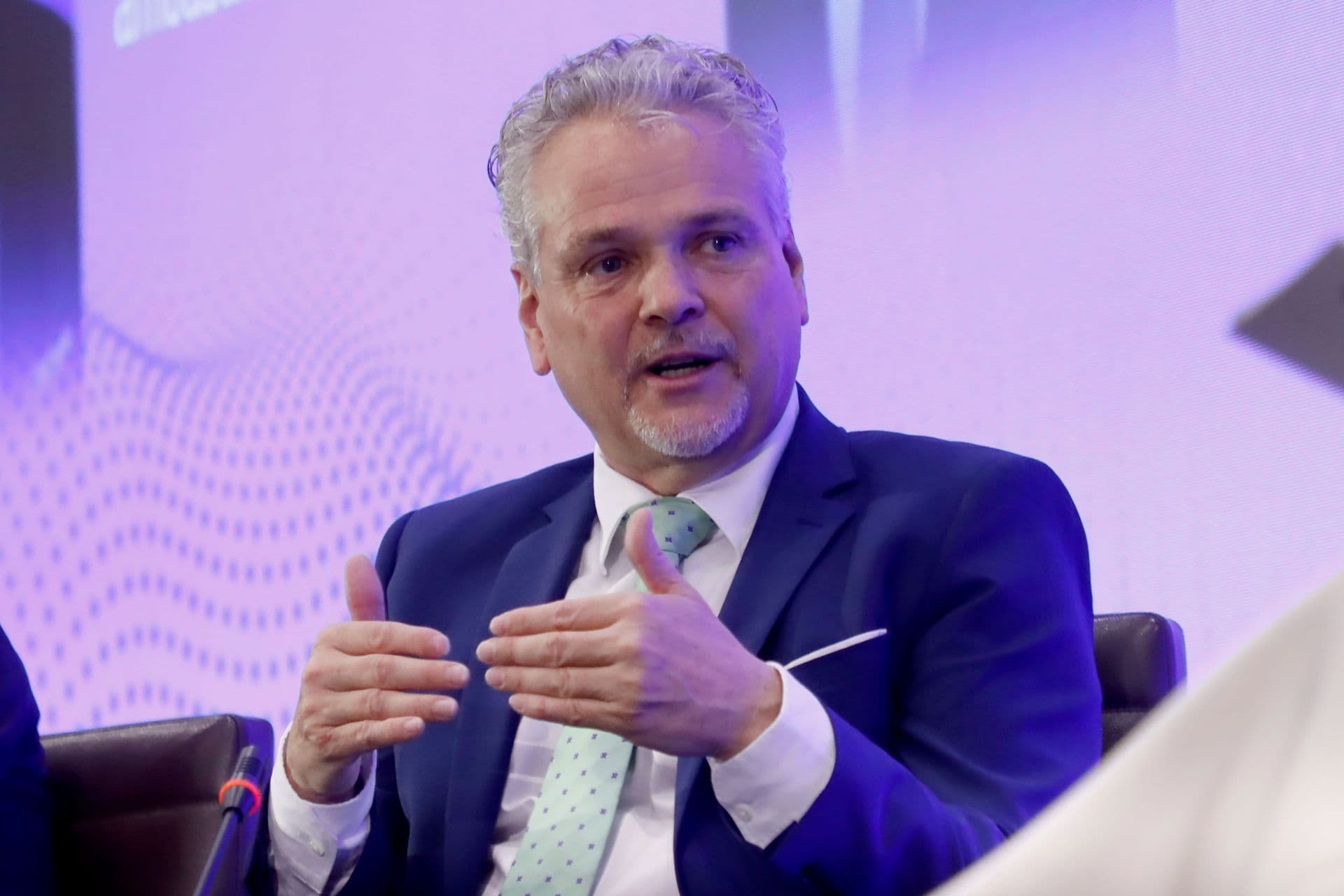
UPDATE: Netflix Co-CEOs Ted Sarandos and Greg Peters have just confirmed their commitment to theatrical releases as part of their recent $4 billion acquisition of Warner Bros., announced during the UBS Conference today. Sarandos stated, “Today’s move was entirely expected. We have a deal done, and we are incredibly happy with the deal.”
This announcement comes amid ongoing discussions about the evolving landscape of film distribution. Netflix plans to maintain its film and television studios and the HBO and HBO Max operations, emphasizing, “We didn’t buy this company to destroy that value,” Sarandos affirmed.
In a significant shift, Sarandos highlighted the success of Warner Bros. in 2025, noting the studio’s impressive $4 billion global box office revenue. He stated, “We’re deeply committed to releasing those movies exactly the way they’ve released those movies today,” signaling a strong intent to honor existing theatrical agreements.
Earlier, Sarandos sparked concern within the exhibition community with remarks made on December 5, 2023, suggesting that Netflix would adapt theatrical windows to be more consumer-friendly. Today’s comments seem to reassure filmmakers and theater owners that Netflix values traditional distribution.
Focusing on HBO, which continues to operate under Casey Bloys, Sarandos expressed a desire for the network to expand on its legacy of prestige television and films. “We want HBO to double down on the things that people have loved for 50 years,” he noted.
Peters added that the acquisition is designed to create jobs, not eliminate them. “We don’t have the redundancy issue. We’re not trying to consolidate,” he explained, reinforcing Netflix’s commitment to job creation in the industry.
In a notable meeting last week with U.S. President Donald Trump, Sarandos discussed the economic impact of Netflix’s operations, stating, “Our original productions have employed 140,000 people from 2020 to 2024,” contributing approximately $125 billion to the U.S. economy.
As Netflix prepares to navigate regulatory scrutiny from the Department of Justice regarding antitrust concerns, Peters expressed confidence that the deal would be approved. “At the end of the day, it’s pro-consumer, delivers more value to those folks, pro-creator,” he stated.
Looking ahead, Netflix’s projected content spend in 2026 is estimated at $18 billion, while combined expenditures with Warner Bros. assets could reach around $30 billion annually. The implications of this acquisition are set to reshape the entertainment landscape significantly.
As this story develops, industry watchers will be keenly observing how Netflix’s strategy unfolds and its impact on theatrical releases in the coming months.