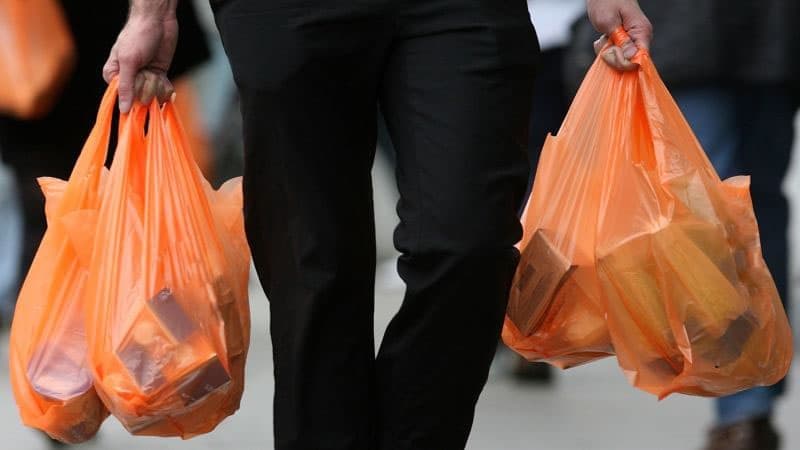
UPDATE: Montenegro has just announced a new regulation mandating a fee of €0.05 for each plastic bag exceeding 50 microns in thickness. This decision, confirmed by the Ministry of Ecology, aims to strengthen the country’s plastic waste management system.
The regulation comes as part of a broader effort to combat plastic pollution, following the implementation of a ban on plastic bags between 15 to 50 microns thick that took effect on October 20, 2022. According to officials, this measure has led to a remarkable 72% reduction in plastic bags found in landfills and a 50% drop in sales within retail chains.
In a statement, Minister Damjan Ćulafić highlighted the positive impact of these initiatives. “The measures we are enforcing are producing tangible results,” he said. The new fee will be calculated based on monthly reports submitted by retailers regarding the number of bags sold, with reports due to the Environmental Protection Agency by the 5th of each month.
The Ministry elaborated that fees collected will be directed to the Environmental Protection Fund, supporting campaigns aimed at raising public awareness about the dangers of single-use plastics. “We have distributed 10,000 biodegradable bags to encourage a shift toward sustainable alternatives,” Ćulafić added.
This latest regulation comes after previous fees of €0.03 for plastic bags over 50 microns. The funds generated will finance further educational activities on reducing plastic waste, underscoring the government’s commitment to environmental sustainability.
As Montenegro faces a growing challenge with plastic waste management, the implementation of this fee signals a significant step forward. Citizens are increasingly adopting reusable bags, especially among the youth, who are leading the change toward a more sustainable future. “It’s encouraging to see a shift in consumer culture for a greener Montenegro,” Ćulafić noted.
As the regulation takes effect, stakeholders will be closely monitoring its impact on both consumer behavior and environmental outcomes. This pivotal moment marks a crucial step in Montenegro’s ongoing journey to address the persistent problem of plastic waste. Share this urgent update and stay informed as we watch these developments unfold.