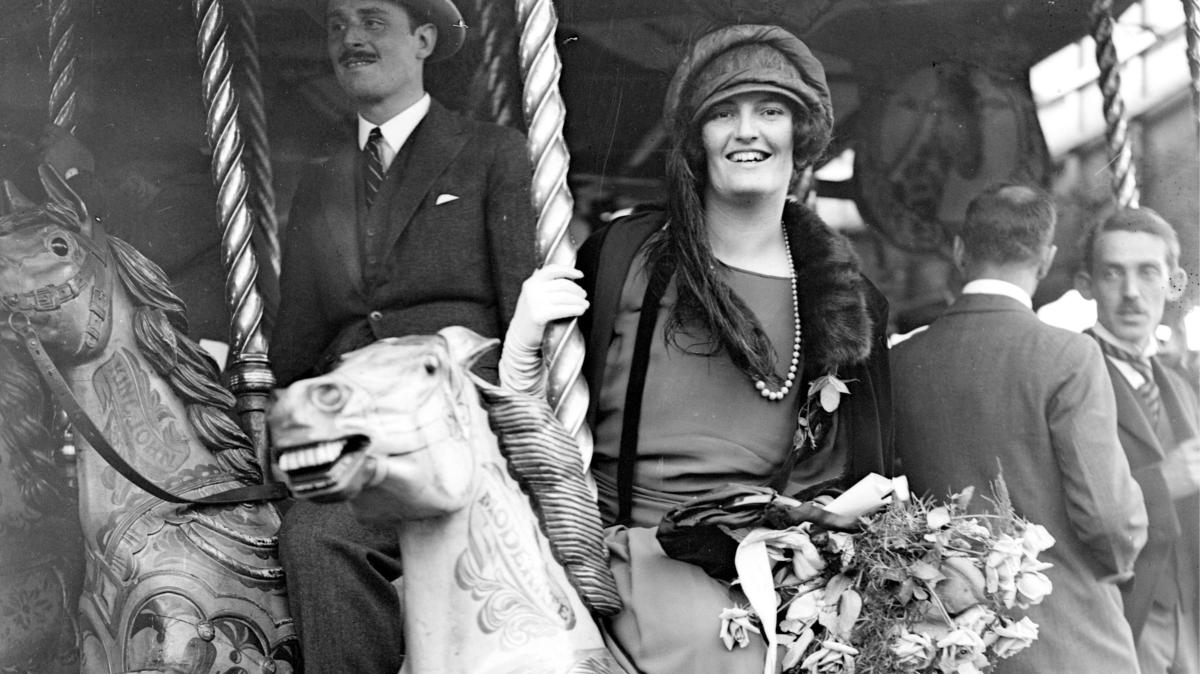
The daughters of Lord Curzon, a prominent figure in British history, have recently become the focus of a discussion surrounding heredity and its implications. A feature published in The Sunday Times on December 20, 1925, explores how the physical and intellectual traits of the Curzon sisters serve as a compelling case study in the science of heredity.
In an era marked by rapid advancements in genetics, the article draws attention to the Curzon sisters as exemplars of inherited characteristics. The piece suggests that their attributes not only reflect the lineage of their father but also raise questions about the broader implications of heredity within the British aristocracy.
Exploring Heredity Through the Curzon Sisters
The article highlights the distinct similarities among Lord Curzon’s daughters, particularly in their appearance and demeanor. Observers noted that these traits, which many attribute to their aristocratic lineage, illustrate the potential impact of genetics on personality and intelligence. The piece features insights from prominent geneticists of the time, who argue that such studies could provide valuable understanding of hereditary traits.
Moreover, the Curzon family’s social standing adds a layer of intrigue to this exploration. As members of the British aristocracy, their lives are often scrutinized, and their characteristics become subjects of both admiration and analysis. The article emphasizes how public interest in their family exemplifies a growing fascination with the science of genetics, as well as the societal implications of inherited traits.
Public Reaction and Future Implications
The response to the article has been varied, with some praising the focus on scientific inquiry, while others express concern over the potential for genetic determinism. Critics argue that emphasizing heredity could overshadow the importance of individual experiences and environmental factors in shaping personality and abilities.
As this dialogue continues, the Curzon sisters’ visibility in society may lead to more discussions on the intersection of genetics and social status. The article concludes by highlighting the importance of further research in this area, suggesting that the study of hereditary traits could yield insights that resonate beyond the confines of the Curzon family.
This examination of Lord Curzon’s daughters not only contributes to the conversation surrounding heredity but also reflects a period of significant social change in Britain. As society grapples with the implications of genetics, the Curzon sisters remain emblematic of the ongoing intersection between heritage and identity.