URGENT UPDATE: New developments within the Labour Party reveal a fierce competition among its five factions, all vying for influence as the party navigates a turbulent political landscape. As of December 2023, tensions have escalated, especially following a controversial statement from Tory MP Mark Francois, who likened Labour’s groups to a “Godfather” style of governance. This analogy, criticized as inaccurate, highlights the increasing organization and distinct ideologies within the Labour Party.
The factions—soft left, Blairite wing, old right, Blue Labour, and hard left—are now more entrenched than ever, with each group boasting unique historical roots and objectives. The soft left, previously struggling for clarity, has emerged significantly this year. Under the leadership of Louise Haigh and Vicky Foxcroft, the revived Tribune group now counts over 80 MPs, positioning itself to potentially field a leadership candidate. Their recent victories include influencing key government policies, such as the reversal of winter fuel payment cuts and the recognition of Palestine.
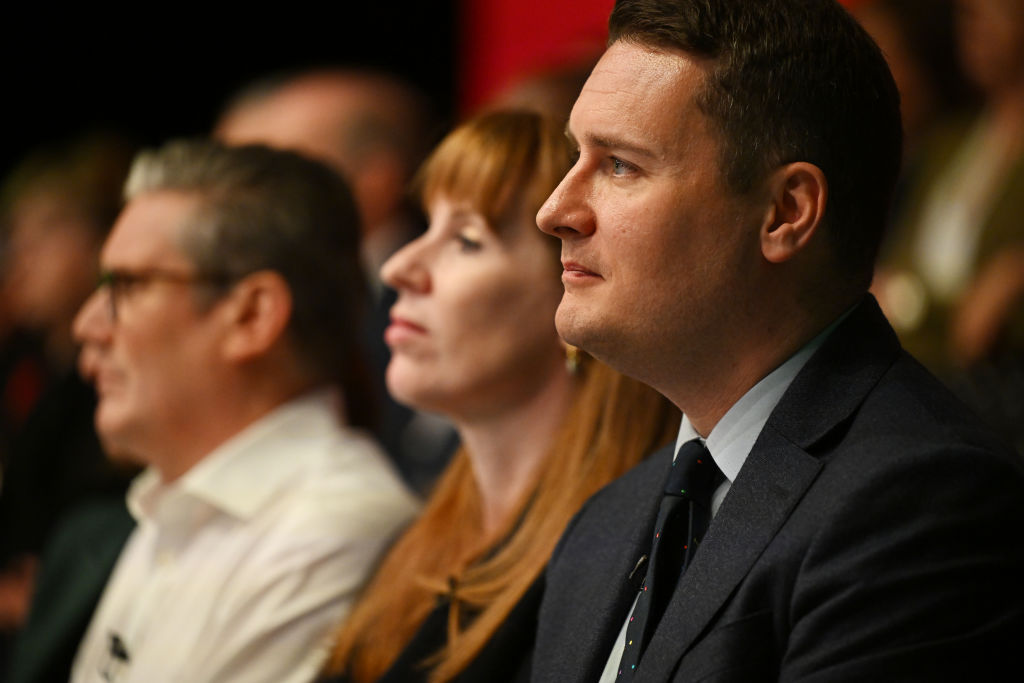
In stark contrast, the Blairite wing—often referred to as the “soft right”—is championed by figures like Wes Streeting and Liz Kendall. This group advocates for public-service reform and maintains a pro-business stance, striving to reshape Labour’s image to appeal to a broader electorate. Despite skepticism regarding their electability, there’s a growing belief among party members that Streeting could emerge as a viable candidate to challenge potential opponents like Nigel Farage.
Meanwhile, the old right, led by Luke Akehurst and others, focuses on economically interventionist policies and has gained traction among trade unions, especially with the government’s recent pro-worker initiatives. The establishment of a formal parliamentary grouping signals this faction’s growing influence within Labour’s hierarchy.
Additionally, Blue Labour, which blends various philosophical perspectives, continues to assert its presence. The group has recently published a manifesto and formed a parliamentary bloc with over 30 MPs. Their unique platform, inspired by founder Maurice Glasman, aims to bridge ideological divides.
The hard left, represented by the Socialist Campaign Group, remains resilient despite lacking a leadership candidate, indicating a willingness to support Andy Burnham as a potential alternative to the mainstream leadership.
Amid these factional rivalries, Keir Starmer faces an uphill battle in asserting his authority. Once aligned with the soft left, his government has frequently clashed with that faction, leaving him isolated compared to predecessors like Tony Blair and Gordon Brown. The internal strife raises concerns about the potential for a unified movement advocating for significant change within the party.
As Labour grapples with its identity and direction, the stakes are high. Each faction’s jockeying for position could significantly impact the party’s future and its response to pressing national issues. Observers and members alike are left to ponder how these dynamics will unfold in the coming weeks, as the potential for consolidation around a single candidate looms.
Stay tuned for further updates as this story develops!