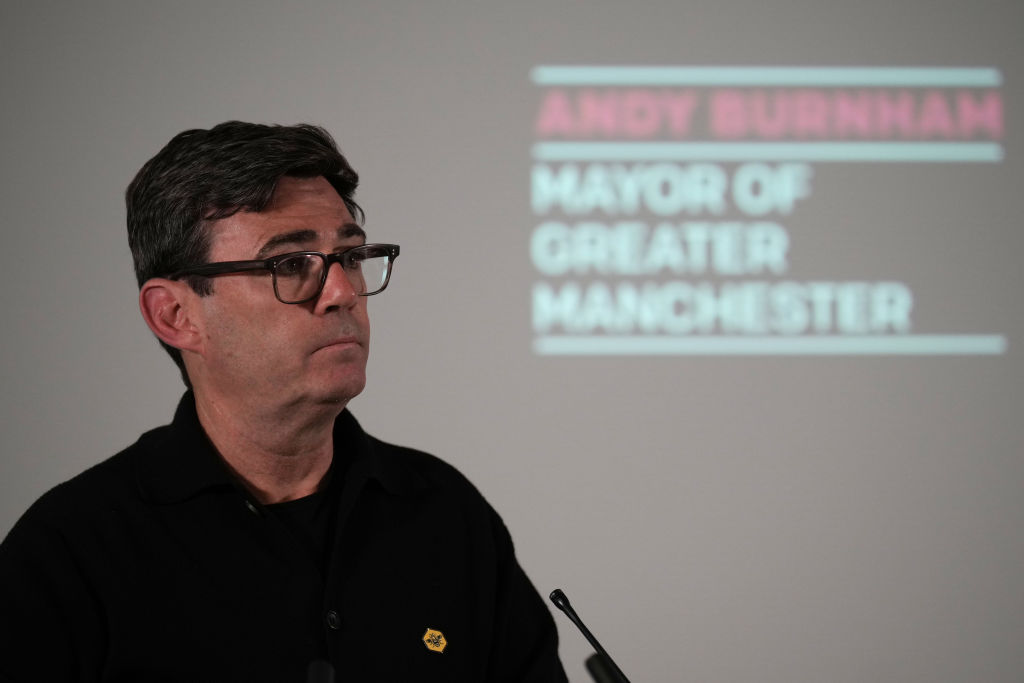
UPDATE: The Labour Party has officially blocked Andy Burnham from standing as a candidate in the upcoming Gorton and Denton by-elections, igniting fierce backlash among party members and supporters. This shocking decision, made by the National Executive Committee (NEC), is being viewed as a desperate attempt to sideline the party’s most popular politician.
Just moments ago, sources confirmed that this move is rooted in a mix of contradictory excuses, ranging from concerns about gender balance to financial implications. As Burnham pledged loyalty to Prime Minister Keir Starmer, internal party dynamics reached a boiling point. With the Labour Party’s polling numbers at their lowest, many see this as an admission of defeat by the leadership.
The NEC’s decision comes as both Gorton and Denton face unprecedented vacancies, and the timing could not be more critical. Burnham, known as the “King of the North,” aimed to leverage his popularity to shift the party’s direction. Instead, he faces a political blockade that could have wider implications for Labour’s future.
Officials initially suggested that Burnham’s ambitions were too radical, claiming he sought to “topple the government.” However, these claims have been met with skepticism, as many party members express concern over the lack of transparency and cohesion within the leadership. Some leaders, including Wes Streeting, have openly condemned the anonymous briefings against Burnham, calling them “disgraceful.”
As unrest brews within the party, the ramifications of this decision could be significant. If Labour fails to secure a victory in these traditionally safe seats, it could lead to an outright revolt among party members. Shabana Mahmood, who chaired the NEC meeting but did not vote, praised Burnham publicly, highlighting the internal conflict among Labour leaders.
Furthermore, prominent figures like Ed Miliband and Sadiq Khan have voiced support for Burnham’s candidacy, emphasizing the need for the strongest possible candidate in Gorton and Denton. Yet, the decision to block him largely rests on the shoulders of Starmer and his allies, who appear unwilling to engage with the challenges posed by Burnham’s growing influence.
As the political landscape shifts, Labour faces an urgent crossroads. This decision may alienate a significant segment of its base, leading to more profound challenges ahead. With the party’s credibility at stake, many are now watching closely to see how this internal conflict will unfold and what it means for Labour’s future trajectory.
Stay tuned for further updates as this story develops. The stakes are high, and the impact will resonate throughout the party and beyond.