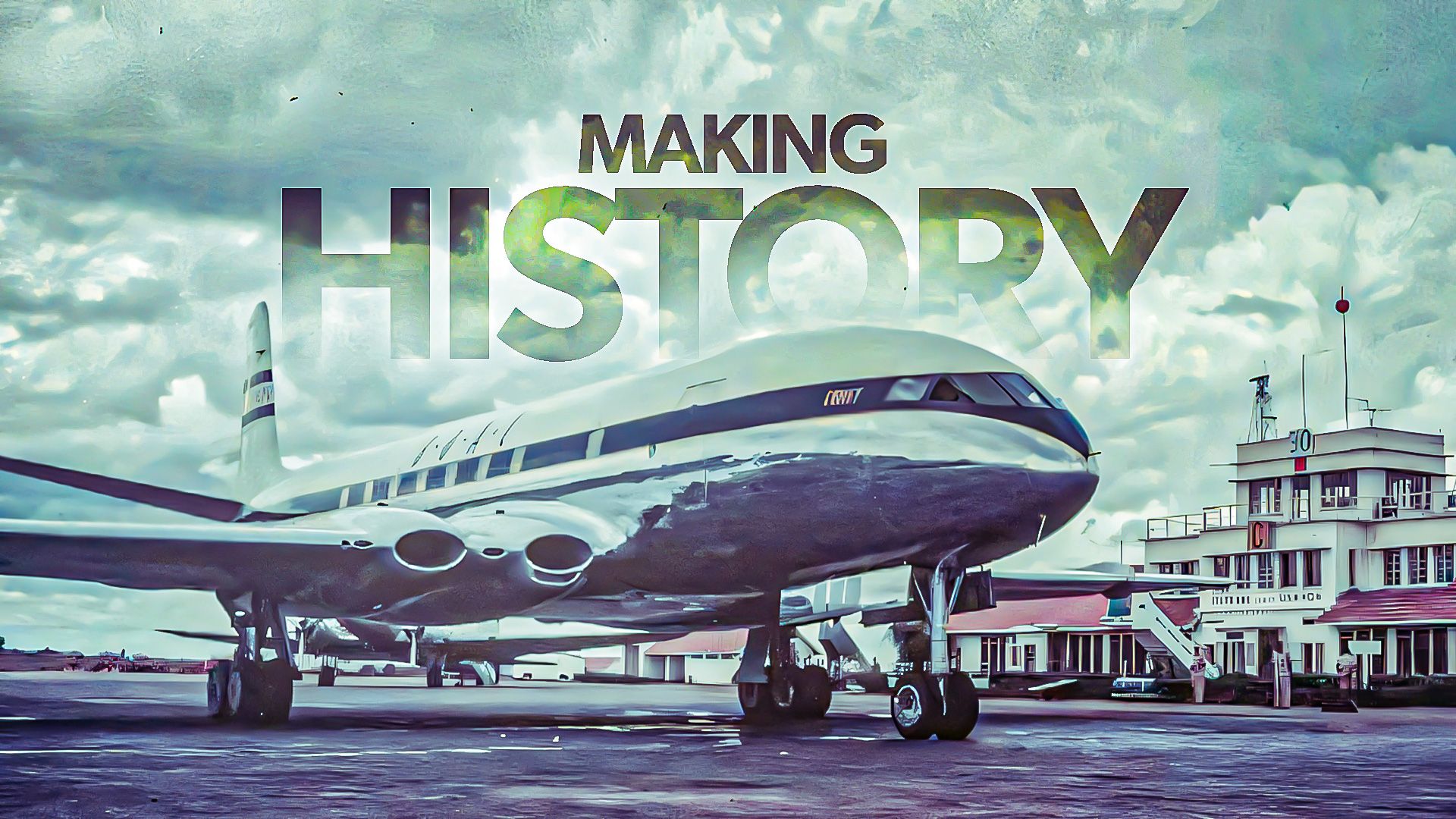
UPDATE: The aviation industry is reflecting on the monumental impact of the de Havilland Comet, the world’s first jet airliner, which transformed air travel when it entered service on May 2, 1952. This groundbreaking aircraft, capable of carrying 36 passengers, marked the dawn of the jet age, offering unprecedented speed, comfort, and efficiency.
The Comet’s inaugural flight from London to Johannesburg dramatically reduced travel time, slashing nearly four hours off the journey compared to piston-engine competitors. With a ticket price of £315, equivalent to about $10,700 today, it quickly became a preferred choice for international travelers.
This innovative aircraft, designed by Geoffrey de Havilland, showcased the potential of jet propulsion in commercial aviation, pushing airlines to adopt faster, more advanced designs. The impact was immediate and profound, as airlines began to set new standards for travel comfort and efficiency.
However, the Comet’s early promise faced devastating challenges. Just months after its debut, the aircraft was involved in a series of tragic accidents that raised alarms about its structural integrity. Investigations revealed that metal fatigue, exacerbated by pressurization cycles, was the culprit behind these catastrophic failures. As a result, the entire fleet was grounded while engineers raced to address the flaws.
Despite the Comet’s redesign, which included key structural enhancements and rounded windows to mitigate stress, the damage to its reputation was irreversible. Airlines increasingly shifted focus to newer models, particularly the Boeing 707, which ultimately overshadowed the Comet’s legacy.
The Comet’s introduction not only revolutionized long-distance travel but also set the stage for major safety reforms in the aviation industry. The lessons learned led to improved testing standards and engineering practices, paving the way for the modern, reliable jetliners that dominate today’s skies.
As the aviation community remembers the Comet’s dual legacy—its groundbreaking innovations and tragic shortcomings—industry experts emphasize the importance of those early lessons in shaping current safety protocols. The Comet forever changed the landscape of air travel, and its influence continues to resonate in the design and operation of today’s commercial aircraft.
In a world where air travel is often taken for granted, the de Havilland Comet stands as a testament to the innovative spirit of aviation. As we reflect on its history, the significance of its contributions to comfort and safety in modern flight cannot be overstated.
As the aviation industry moves forward, the Comet’s story serves as a critical reminder of the balance between innovation and safety, encouraging ongoing vigilance and improvement in air travel. Stay tuned for more updates as this story develops.