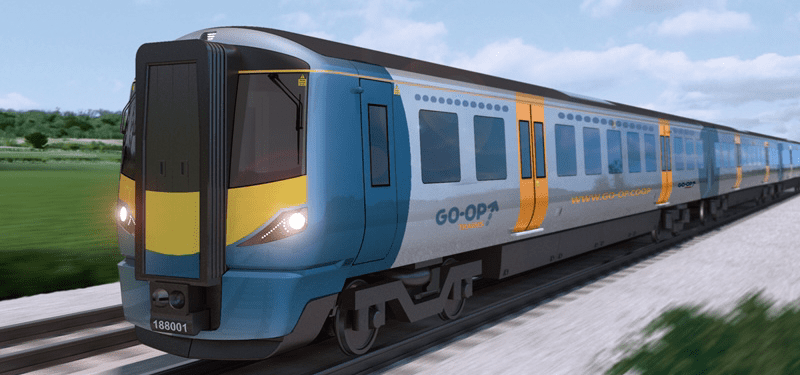
UPDATE: Go-op, the first co-operatively owned rail service in the UK, is racing against time to secure £3.6 million in funding by May 2026. The co-op aims to launch rail services between Taunton and Swindon by December 2026, but faces significant financial hurdles and regulatory conditions.
The urgency is palpable as Go-op, which launched in November 2024, has built its business model on serving an underserved route while promoting a unique ownership structure: 50% consumer-owned, 25% worker-owned, and the rest by social investors. However, despite the promise of increased services, Go-op has struggled to meet its fundraising targets, leading to what they describe as “one last chance” for investors to support the initiative.
Operations director Alex Lawrie expressed the co-op’s determination, stating, “The business case is as strong as ever,” and highlighted opportunities for investors to potentially double their money. However, the company is grappling with external factors that have hindered potential investments.
“Investors large and small are citing external uncertainties that are preventing them from committing,” Lawrie noted in an interview with Railway Gazette. This situation is compounded by the Labour government’s plans to re-nationalize passenger train services by 2027, creating a perception of hostility towards open-access rail services.
Go-op has experienced several setbacks in securing investments, including a public share offering and crowdfunding efforts that have not materialized as hoped. The organization underscores that issues like underinvestment and industrial disputes have “severely damaged” the rail industry’s reputation, complicating the investment landscape further.
“Hidden structural biases” in business funding have created significant obstacles for the co-op, according to Lawrie. He remains hopeful that investors who understand the distinct advantages of rail transport will recognize the strengths of Go-op’s proposal, despite the broader industry challenges.
As the deadline approaches, the co-op is committed to pursuing innovative funding strategies and engaging with the public to ensure accountable and user-focused public transport. They are also collaborating with local transport authorities to enhance regional connectivity and sustainability.
With time running out, Go-op’s future hangs in the balance. Investors are urged to consider this unique opportunity to be part of a transformative rail initiative that promises to benefit both the community and the environment. The clock is ticking, and the stakes have never been higher.
Stay tuned for updates on this developing story as Go-op navigates this critical juncture in its journey.