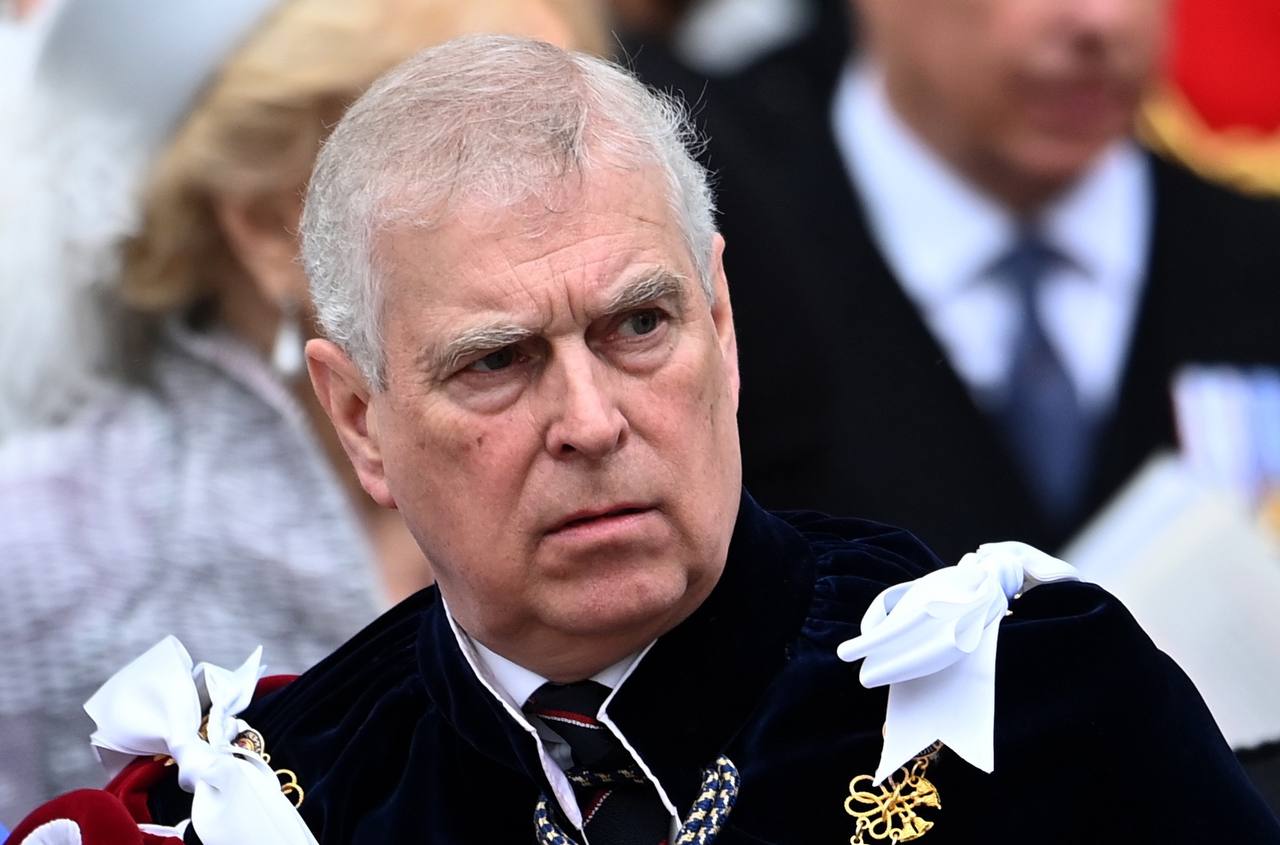
BREAKING: Former Duke of York, Andrew Mountbatten-Windsor, has been arrested by Thames Valley Police on suspicion of misconduct in public office, just hours after turning 66 and becoming eligible for a UK state pension of approximately £7,034 ($8,800). The arrest occurred at Wood Farm on the Sandringham estate earlier today, February 19, 2026, amid serious allegations linked to his past role as a UK trade envoy and connections to the late financier Jeffrey Epstein.
The timing of the arrest raises urgent questions about whether Andrew will receive his pension while in custody. Under UK law, state pension payments are typically suspended during periods of lawful custody, including remand awaiting trial. This means that if Andrew is formally charged and held, his pension payments could be halted.
During the arrest, officers searched properties in Berkshire and Norfolk as part of their ongoing investigation. King Charles III has expressed support for the legal process, emphasizing the importance of due process in these serious allegations. The accusations against Andrew involve claims that he shared confidential government documents with Epstein during his tenure as a trade envoy. These claims have resurfaced following the release of new files from the U.S. Justice Department.
As the legal situation unfolds, Andrew’s eligibility for the pension is under scrutiny. While he accumulated qualifying years through his service in the Royal Navy, the pension is not guaranteed under all circumstances. Current regulations outline that pension payments are suspended for individuals in custody, including those held on remand or convicted of crimes.
The implications of this arrest extend beyond Andrew’s financial entitlements. This unprecedented event marks a historic moment, as it is rare for a senior member of the British royal family to be formally detained for alleged criminal conduct. Public sentiment is shifting, with growing concerns around accountability and transparency in the monarchy.
If Andrew is charged and remanded in custody, he may be denied the pension payments he is entitled to, which many commentators note is modest compared to his overall financial situation. The debate surrounding his pension has sparked discussions about whether he should donate the state pension to charity, a suggestion made prior to the arrest.
As this story develops, the focus will remain on the legal proceedings against Andrew and the potential consequences for his royal status and financial entitlements. The next crucial steps will involve whether he is formally charged and how the judicial process impacts his claims to the pension.
Stay tuned for further updates on this developing story as new details emerge regarding Andrew’s arrest and the implications for his pension and royal legacy.