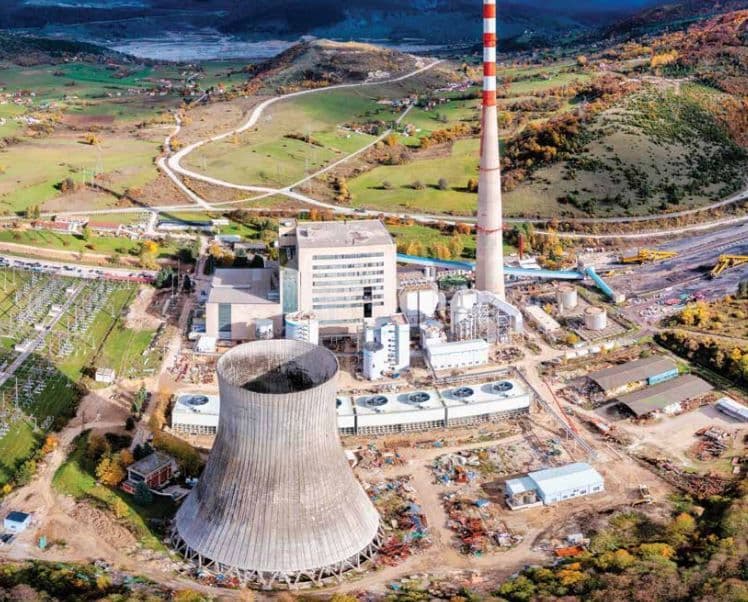
UPDATE: Elektroprivreda Crne Gore (EPCG) has just confirmed that the thermal power plant in Pljevlja was officially put into trial operation on December 1, 2023, amid escalating political tensions. This announcement comes in response to claims by Dritan Abazović, leader of the Civic Movement (GP) URA, who alleged that the plant was illegally activated.
EPCG’s statement emphasizes the need for accurate public information, strongly rejecting Abazović’s accusations of misconduct regarding the plant’s operational status and environmental compliance. The company asserts that it invested €80 million in new systems designed to reduce emissions and align with European ecological standards.
EPCG reported that the trial operations involve a gradual activation of complex technical systems. This method adheres to international practices and is critical for ensuring safety and stability. The company highlighted that such phased activation is standard in the energy sector and does not replace regulatory oversight.
In its statement, EPCG also noted that the operation of the plant has been conducted in compliance with existing laws. They stressed that the trial phase does not imply permanent activation and is subject to ongoing inspections by relevant authorities.
Officials from EPCG expressed their readiness for any institutional review, confident that facts will separate from political narratives. They pointed out that air pollution in Pljevlja is a longstanding issue influenced by multiple factors, including local heating sources and traffic, not solely the thermal power plant.
The company refuted claims of intentionally disabling emission measurement systems, explaining that emission data is continuously monitored and reported to authorities. Any temporary interruptions are strictly technical in nature.
EPCG also criticized Abazović’s remarks as politically motivated, suggesting they stem from personal dissatisfaction over failed appointments in the energy sector. They pointed out that the previous government, with Abazović as Deputy Prime Minister, had previously directed EPCG to resume operations at the plant despite its extensive operational hours.
Public health implications are significant. According to the Ministry of Health, recent increases in respiratory issues among children across Montenegro are attributed to seasonal viral infections and do not correlate directly with air quality. EPCG condemned the use of children’s health in political discourse as inappropriate.
To combat pollution, EPCG is implementing measures including a 50% discount on electricity for households in Pljevlja during the winter months, alongside a 75% discount for users of a local heating plant.
EPCG’s commitment to transparency and collaboration with regulatory bodies remains firm, as they navigate the complexities of public trust and environmental responsibility. The situation continues to develop, and all eyes are on EPCG as they move forward with the trial operations of the thermal power plant in Pljevlja.