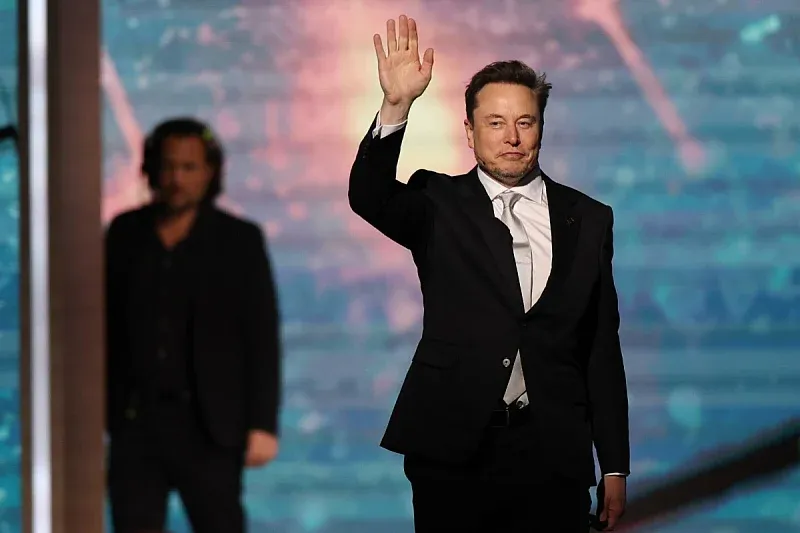
BREAKING: Billionaire Elon Musk has revealed in a recent podcast that his efforts leading the informal Department of Government Efficiency (DOGE) under former President Donald Trump were only “somewhat successful” and that he would not undertake the role again. This revelation is stirring discussions about the impact of his government service on his companies and public perception.
During his appearance on the Katie Miller Podcast, Musk expressed regret regarding his involvement, stating, “Instead of working on DOGE, I would have focused on my companies.” The comments come just weeks after DOGE was officially disbanded, with Musk acknowledging that his time in the role contributed to unrest, including massive protests against his company Tesla.
Musk, who also owns social media platform X, admitted that his work with DOGE impacted his businesses negatively. “If I hadn’t worked on that, people wouldn’t be burning cars,” he stated, referring to the backlash faced during his tenure.
Despite the challenges, Musk claimed that DOGE saved the federal government an estimated $200 billion annually by eliminating unnecessary “zombie payments” through improved automation and coding of federal disbursements. However, this figure is significantly lower than Musk’s initial ambition to achieve savings in the trillions.
The controversial agency aimed to streamline government efficiency but faced criticism for its approach and the manner in which Musk took control of federal agencies and their information systems. Musk reflected on the difficulty of rapidly reshaping federal operations, suggesting that the experience was more taxing than beneficial.
As the implications of Musk’s involvement in DOGE unfold, observers are left questioning the future of executive roles in government for corporate leaders. The conversation is likely to intensify, given Musk’s significant influence in both the tech and automotive sectors.
For those following this developing story, Musk’s insights highlight the ongoing challenges of public service for private sector leaders, raising questions about accountability and effectiveness. Stay tuned for more updates as this story progresses.