UPDATE: In a shocking turn of events, Carl Mercer, a 46-year-old drug dealer, called the police on himself, fearing for his life due to threats from gangsters. This alarming incident, which unfolded on November 2, 2019, in Bootle, has exposed the grim realities of organized crime and the coercion faced by individuals trapped in the drug trade.
Mercer was reportedly manipulated into hiding a firearm for notorious thugs, revealing the terrifying grip these gangs have on vulnerable individuals. Desperate for help, he dialed 999 and disclosed that he was under threat from drug dealers who forced him into a life of crime. When police arrived, Mercer was so anxious that he attempted to enter their vehicle, pleading for protection.
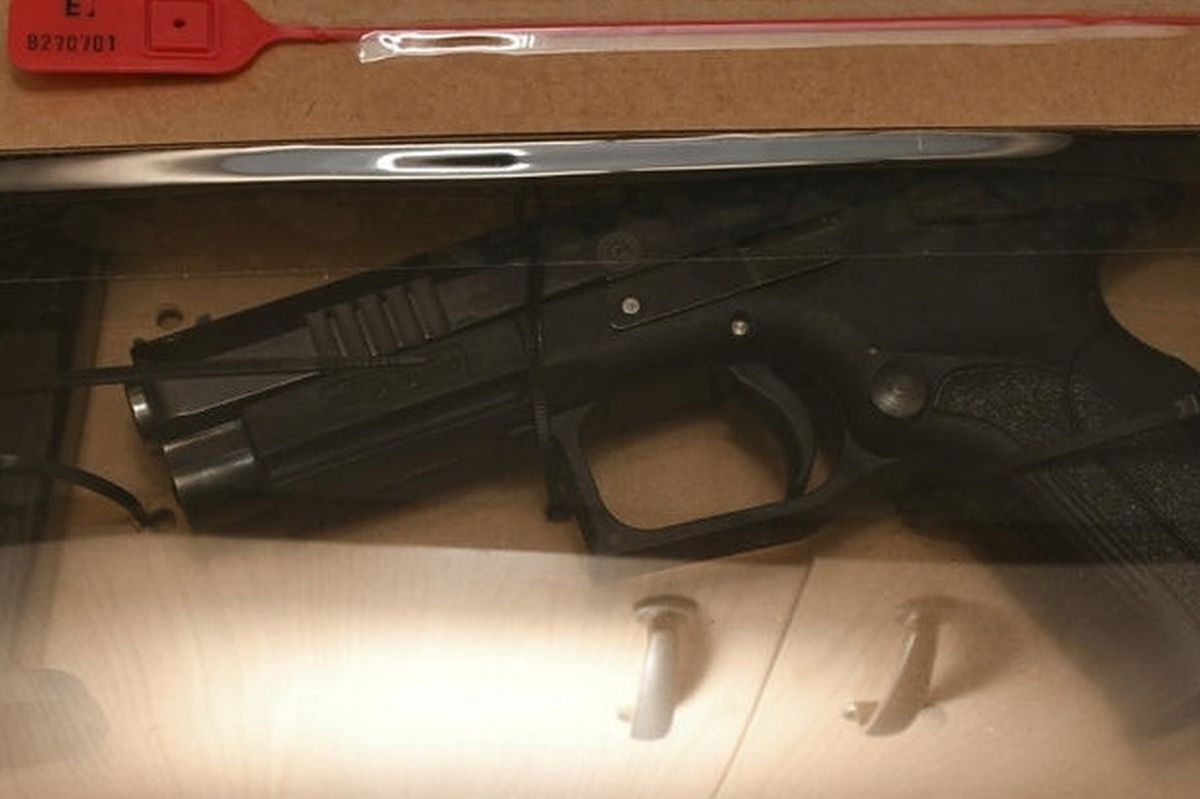
The police response uncovered a harrowing scene at his residence on Longfield Road. Officers found Mercer in distress, clutching a bag of heroin and later discovering nearly £7,000 worth of cannabis, scales, and a semi-automatic pistol, the Grand Power K100, hidden in his kitchen drawer along with 29 rounds of ammunition.
This incident not only highlights the dangers faced by those ensnared in drug gangs but also serves as a crucial link to further criminal activities in the area. Although police connected the firearm to a local shooter, inaction led to a tragic murder that could have been prevented. The gun, found in Mercer’s possession, had previously been decommissioned but modified, raising serious questions about how such weapons circulate within communities.
In court, Mercer, who has a history of drug addiction and previous convictions for drug-related offenses, revealed the extent of his coercion. He stated, “I found myself in a position where I owed my dealers a large amount of money and they forced me to bag up cannabis.” Despite knowing the severe consequences of firearm possession, which carries a minimum sentence of five years, Mercer felt his life was at stake.
Mercer was sentenced to six years in prison in February 2020. His case sheds light on the violent landscape across South Sefton, where at least 18 shootings occurred in 2019 alone, fueled by escalating gang rivalries.
The ramifications of this case extend beyond Mercer. It connects to the tragic murder of Mikey Rainsford, who was killed in a drive-by shooting linked to gang violence. The attack, carried out by James Foy and his brother, was a revenge act against an innocent victim, illustrating the widespread impact of gang warfare in the region.
Forensic evidence revealed that DNA from James Foy was present on the firearm found in Mercer’s home. However, Merseyside Police admitted that they had missed opportunities to arrest him prior to the murder, raising serious concerns about police procedures and accountability.
The Independent Office for Police Conduct (IOPC) has stated there was insufficient justification for not arresting James Foy before the crime occurred. This oversight has intensified public scrutiny on law enforcement’s handling of organized crime and their response to such urgent threats.
As the community grapples with the implications of these events, Mercer’s case serves as a stark reminder of the devastating influence organized crime has on individuals and families. It underscores the urgent need for effective intervention strategies to protect vulnerable populations from exploitation by criminal networks.
Authorities are now calling for increased vigilance and community engagement to combat the pervasive threat of gang violence. The tragic cycle of coercion and violence must be addressed to prevent further loss of innocent lives.
Next steps: Local law enforcement agencies are urged to enhance their efforts in dismantling drug networks and providing support to those exploited by gangs. The community must come together to reclaim safety and security from the grip of organized crime, ensuring that no one else feels they have to turn to police in such desperate circumstances.