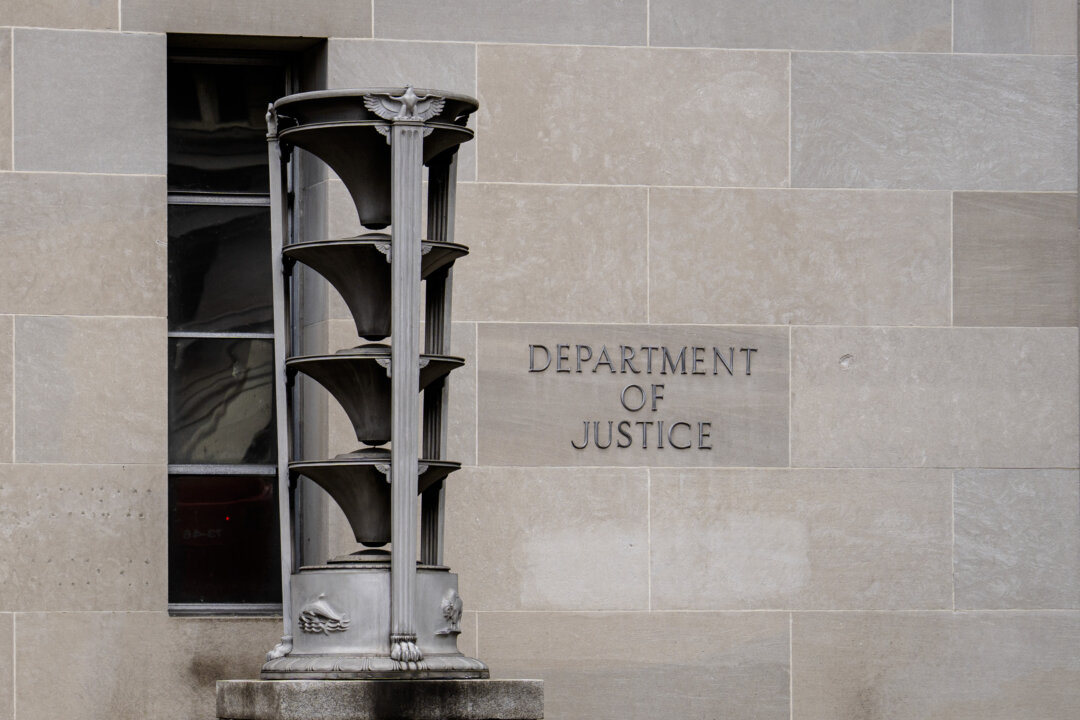
BREAKING: The Department of Justice (DOJ) has launched an urgent legal action to revoke the U.S. citizenship of Kemal Mrndzic, a former Bosnian prison guard, who allegedly concealed his military service during the Bosnian War to gain naturalization. This complaint was filed on December 19 and reveals shocking allegations of Mrndzic’s involvement in heinous acts at the infamous Celebici prison camp in 1992.
According to prosecutors, Mrndzic, now 52 years old and originally from Yugoslavia, failed to disclose his role as a guard during immigration proceedings. The Celebici prison camp was notorious for its brutal treatment of Bosnian-Serb prisoners, including severe beatings, torture, and even murder.
The DOJ’s civil complaint details Mrndzic’s active participation in the systematic persecution of detainees. The allegations paint a grim picture of the conditions at the prison, where prisoners were subjected to starvation, sexual assault, and extreme violence.
This legal move highlights the ongoing commitment of U.S. authorities to hold individuals accountable for war crimes, even decades after the events took place. The implications of this case could resonate well beyond Mrndzic’s individual circumstances, as it sets a precedent for how the U.S. addresses war crimes linked to immigration fraud.
The DOJ’s action underscores a broader initiative to ensure that those who commit atrocities cannot escape justice by seeking refuge in the United States. With this filing, officials aim to send a clear message: war criminals will not find safety or immunity here.
As this case develops, many are watching closely for its outcome, particularly in the context of ongoing discussions about immigration policies and national security. The legal proceedings are expected to unfold rapidly, and further updates are anticipated in the coming days.
Stay tuned for more updates on this urgent matter as it continues to evolve. This case serves as a crucial reminder of the importance of transparency in immigration processes and the responsibility of the U.S. to uphold human rights standards.